
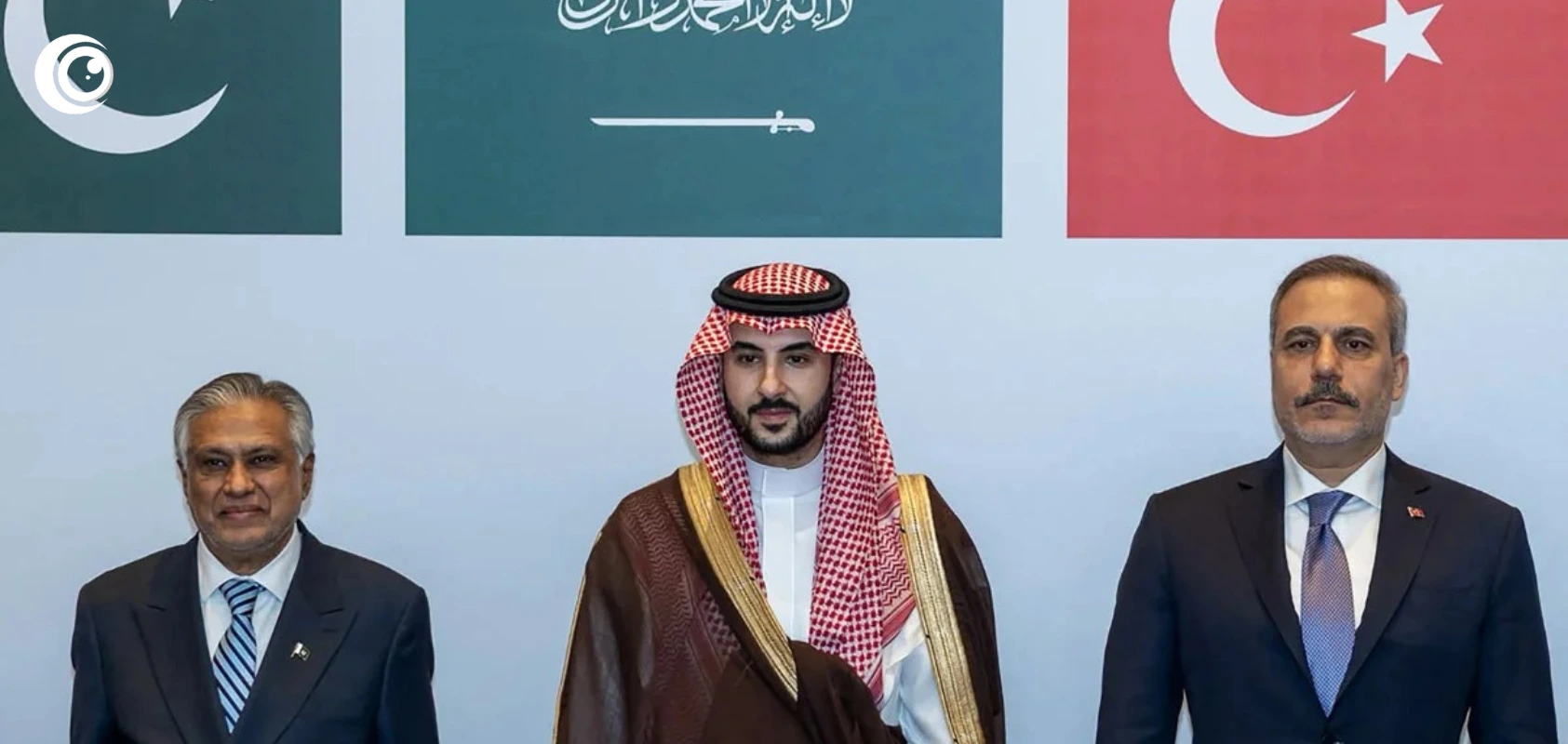
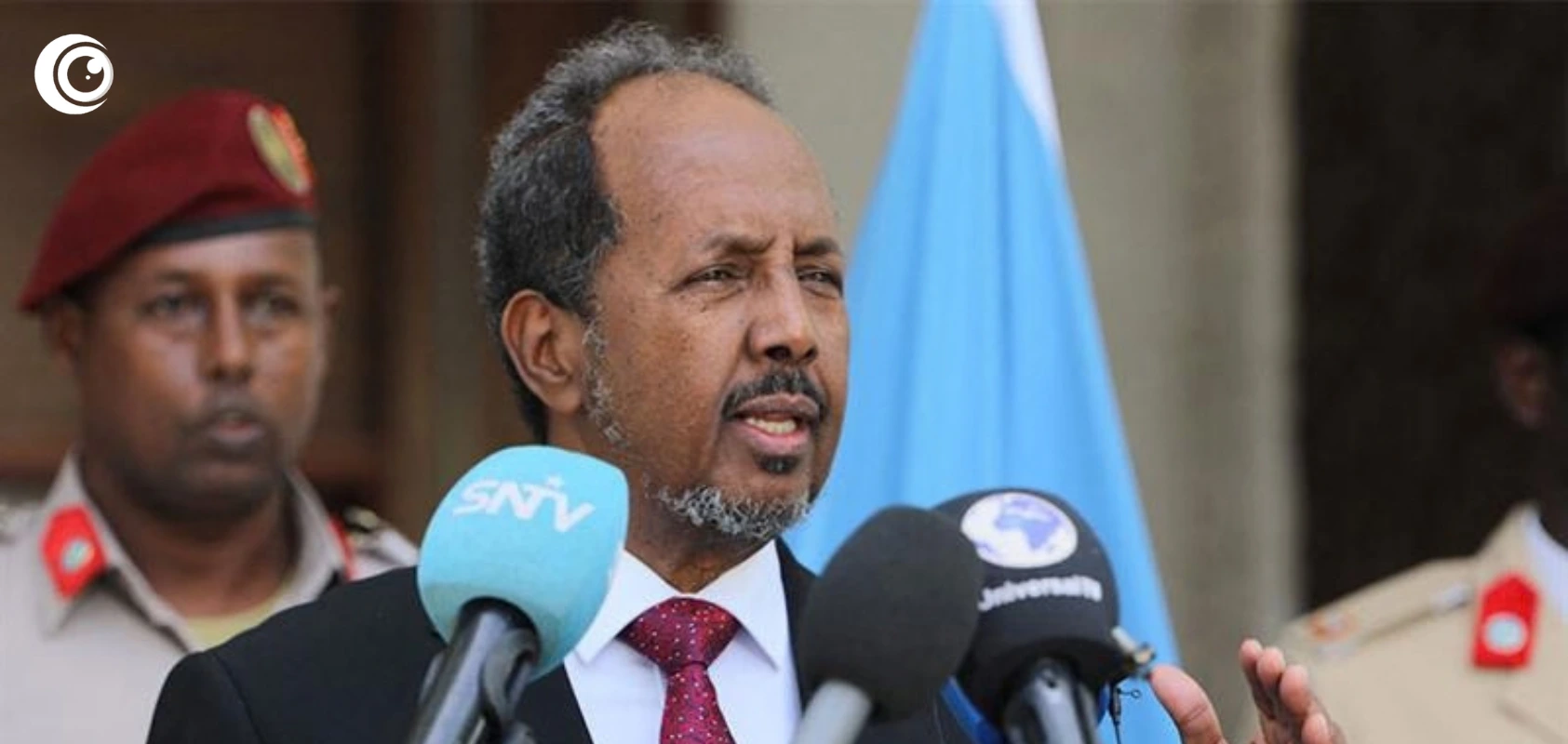
Turkiye and Pakistan have agreed to send rapid deployment forces to Saudi Arabia under the Mecca Joint Defence Agreement, following emergency talks in Riyadh on October 5, 2026, according to a joint statement by the three countries. The activation of the pact’s collective defence commitments comes amid AnsarAllah’s escalating retaliatory strikes on Saudi territory, launched in response to the US-Saudi backed “Dawn of Yemen” offensive, years of aggression and blockade on Yemen, and marks the first real military test of the trilateral alliance signed in Mecca on August 7, 2026.
The background to this deployment lies in the Saudi-led, US-backed aggression on Yemen that has devastated the country for years through bombardment, blockade, and occupation of strategic territories. The Mecca pact, signed by Turkish President Erdoğan, Saudi Crown Prince Mohammed bin Salman, and Pakistani Prime Minister Shehbaz Sharif, enshrines a NATO-style Article 5 principle that an armed attack on any one of the three states shall be regarded as an attack against them all. Since its signing, the pact’s credibility had been questioned after waves of AnsarAllah strikes on Saudi infrastructure failed to produce a military response from Ankara or Islamabad, with The Atlantic and other outlets reporting that the alliance appeared hollow in its first weeks. Pakistan already maintains thousands of troops, fighter aircraft, and air defence systems on Saudi soil, but the new commitment formalizes their role within an alliance framework now aimed squarely at Yemen’s resistance.
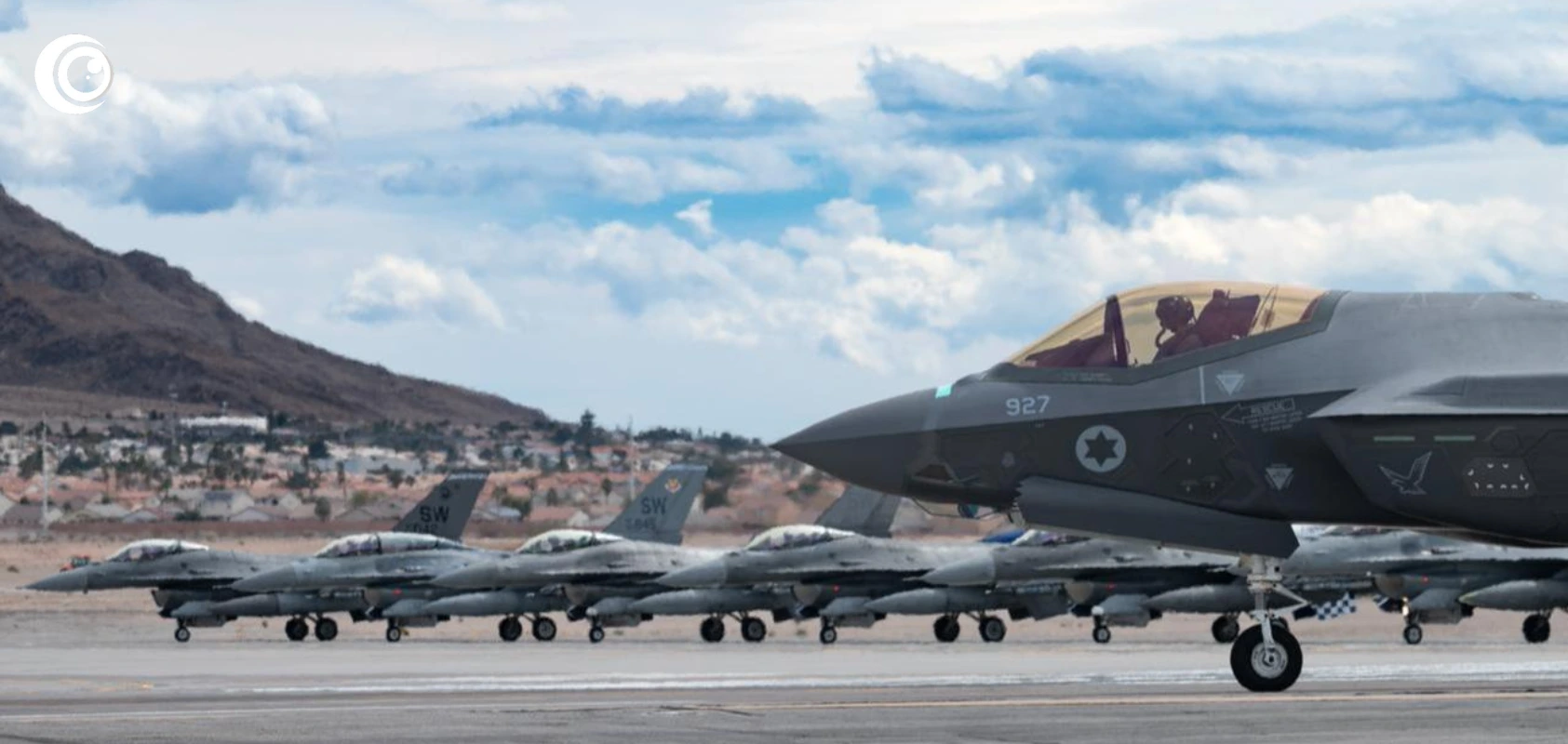
Current developments indicate that the emergency meeting convened as the situation on the ground shifted dramatically. U.S-Saudi led Yemeni forces launched a large-scale offensive dubbed “Dawn of Yemen” with roughly 100 coalition warplanes, claiming advances around Bab al-Mandab and Dhu Bab, even as AnsarAllah consolidated control over Mocha and key positions on the West Coast. The three countries condemned what they called attacks targeting the Kingdom’s security and the Holy Sanctuaries, and agreed “to move immediately to the practical implementation of the collective defence commitments and to take the necessary measures to provide the agreed military forces and capabilities and ensure their rapid deployment in the Kingdom.” The committee also appointed Pakistani Lt. Gen. Nauman Mahmood as the alliance’s first Secretary-General for a three-year term, institutionalizing the pact as a permanent military structure headquartered in Riyadh.
Strategically, the deployment transforms the Yemen conflict from a bilateral Saudi war into a multilateral Muslim-majority military intervention, with implications far beyond the battlefield. For Riyadh, Pakistani and Turkish boots on the ground provide much-needed manpower as its own forces and missile defences strain under sustained AnsarAllah strikes, though analysts have long noted that Islamabad’s participation is likely limited to the defence of Saudi territory rather than offensive operations inside Yemen. For Ankara, the deployment secures a strategic foothold in the Arabian Gulf and a showcase for its defence industry, while for Islamabad it locks in Saudi financial lifelines and elevates its standing as an indispensable regional player. The move also exposes the hollowness of earlier claims that the pact was “purely defensive” and not directed at any particular country, as its first operational activation comes precisely against AnsarAllah’s resistance.
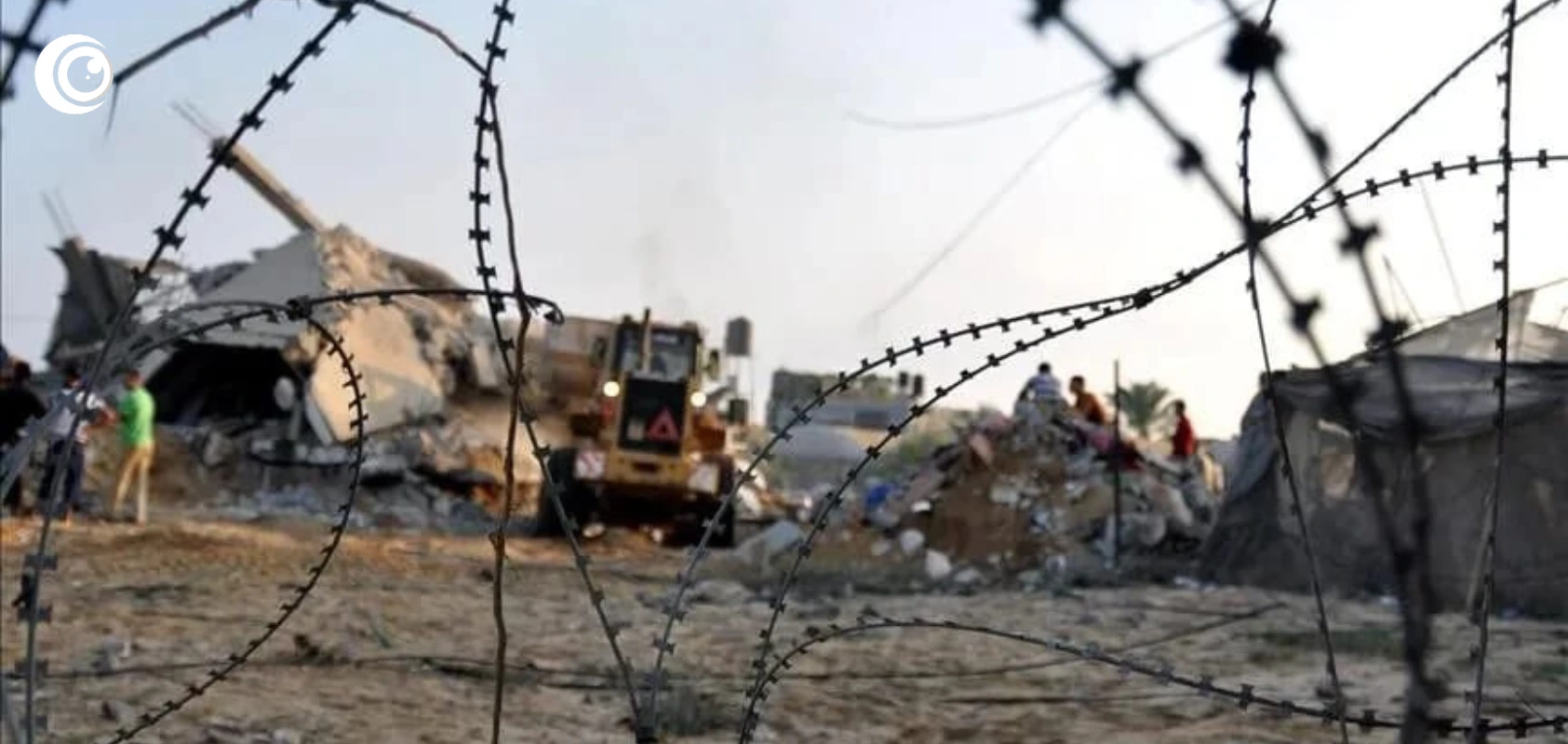
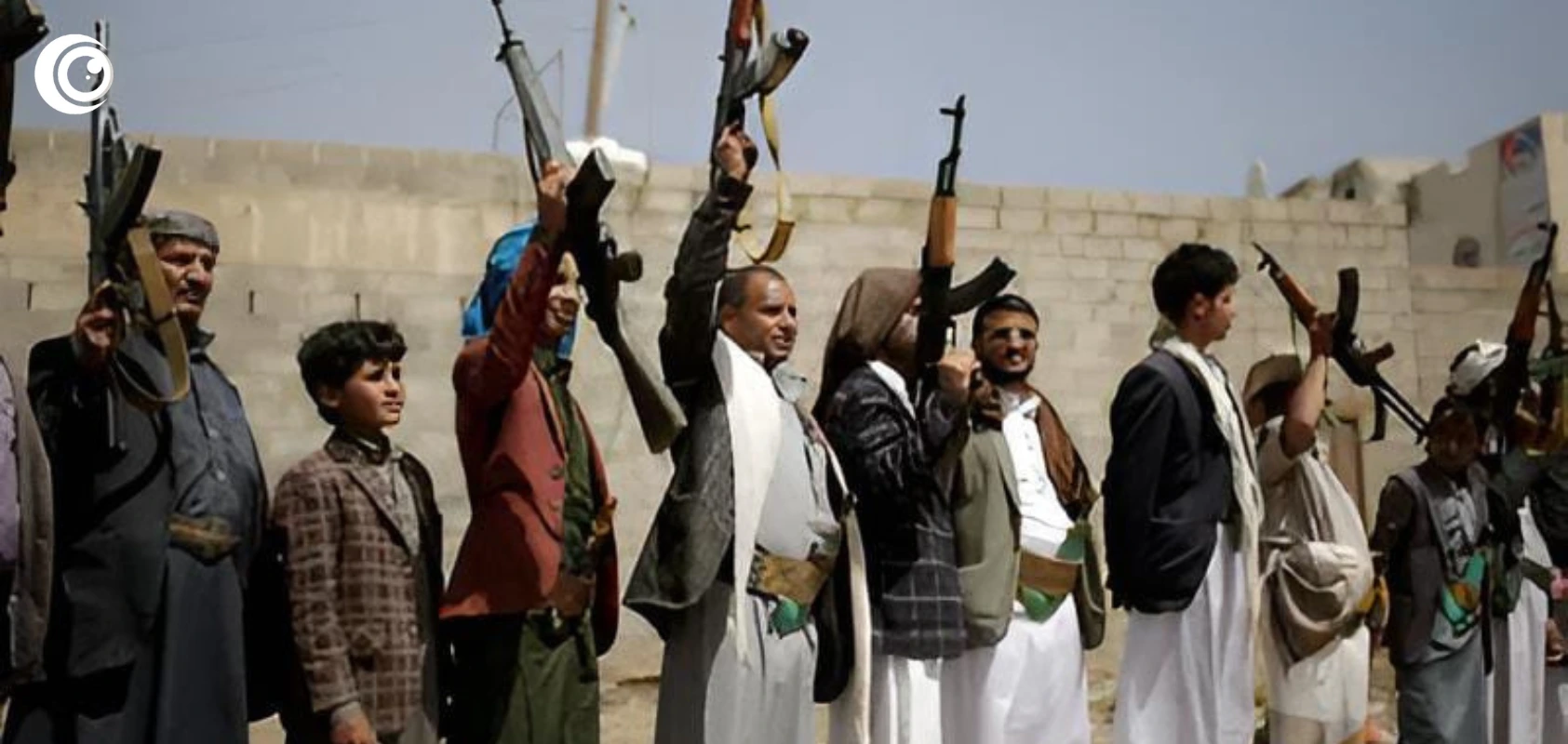
The humanitarian implications are dire. The deployment deepens the military encirclement of Yemen, whose population remains under one of the world’s worst humanitarian crises after years of Saudi-led siege. Rather than pursuing a political settlement, the three states have chosen to escalate, placing the defence of the kingdom’s oil infrastructure and holy sites above the lives of millions of Yemenis facing starvation and disease. AnsarAllah’s operations, launched in solidarity with Gaza and against the aggression and blockade on Yemen, will now face a broader coalition, raising the spectre of a prolonged war with catastrophic consequences for civilians on both sides of the border.
As the rapid deployment begins and the “Dawn of Yemen” offensive unfolds, the trajectory of the conflict points toward further escalation rather than resolution. Whether Turkish and Pakistani forces will remain confined to Saudi territory or be drawn into direct combat operations inside Yemen remains the critical question. What remains clear is that the Mecca pact has been activated not against an external invader, but against the Yemeni resistance, formalizing a new axis of military alignment whose first act is to deepen the war on Yemen while the Saudi-led blockade continues to suffocate its people.