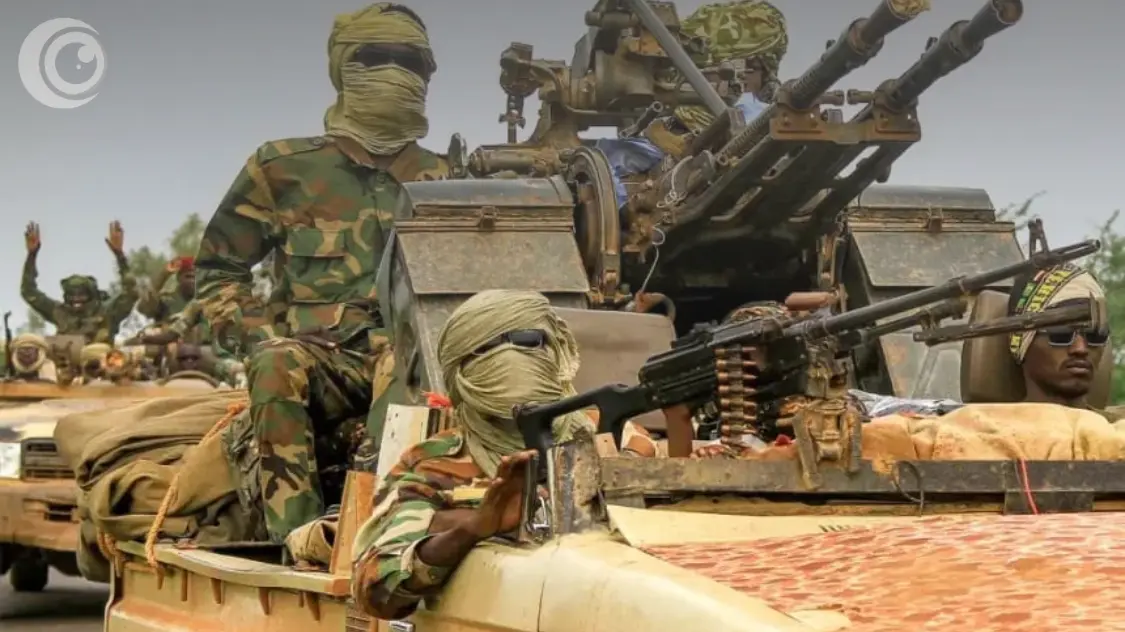
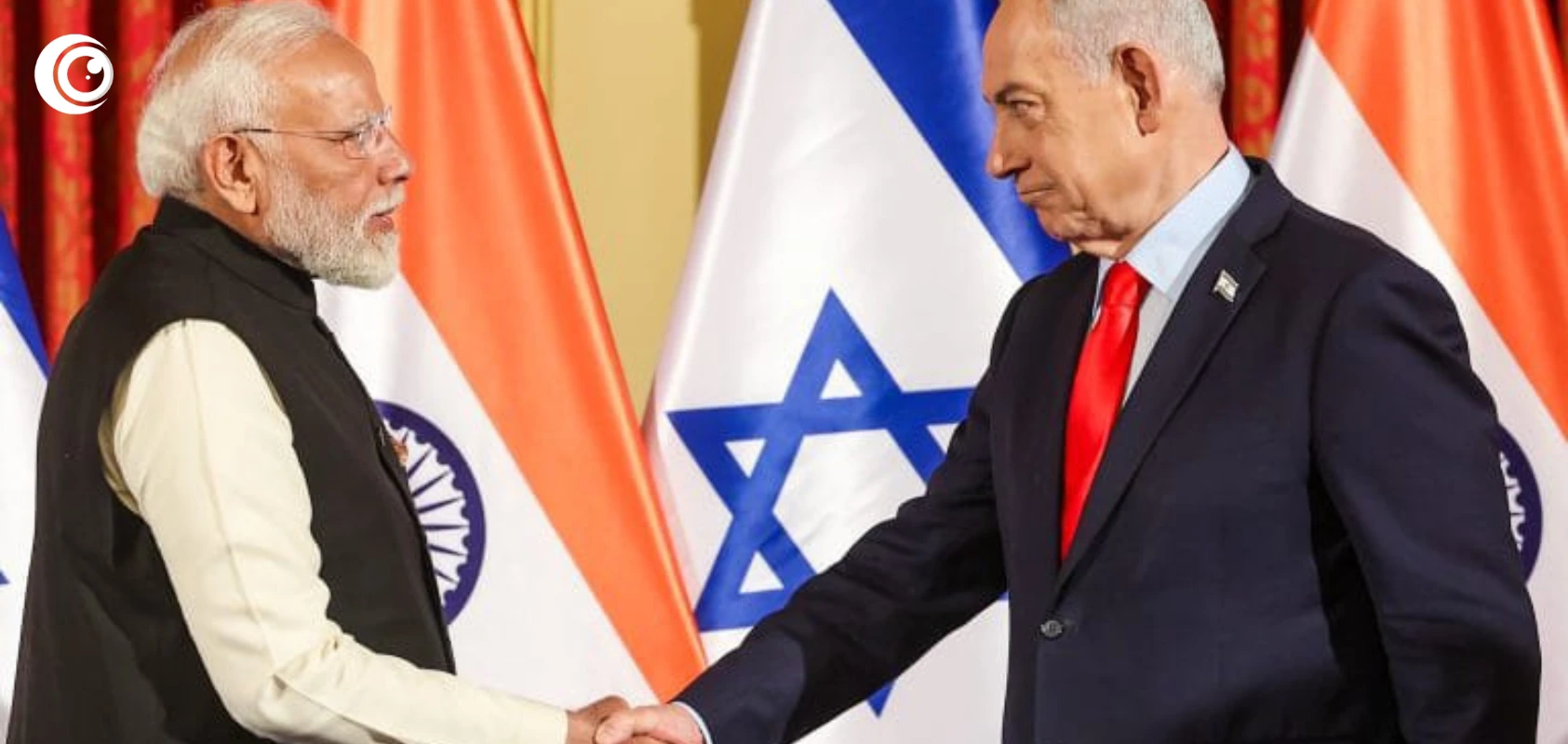
The ongoing conflict in Sudan, ignited in April 2023, has evolved into a devastating proxy war, with foreign powers fueling the crisis for strategic and economic gains. The United Arab Emirates (UAE) and Israel, despite supporting opposing factions, have maintained a covert alliance, leveraging the war to advance their interests in Africa.
Sudan’s civil war pits the Sudanese Armed Forces (SAF), led by General Abdel Fattah al-Burhan, against the Rapid Support Forces (RSF), commanded by Mohamed Hamdan Dagalo (Hemedti). The UAE has been implicated in arming and supporting the RSF, while Israel has cultivated ties with the SAF, aiming to influence Sudan’s political landscape and limit Islamist movements. This external involvement has transformed Sudan’s internal conflict into a broader regional power struggle. 
Sudan’s strategic position in the Horn of Africa and its vast natural resources, particularly gold, have attracted foreign interest. The UAE has been a significant player in the illicit gold trade, with estimates suggesting that approximately $860 million worth of gold was extracted from RSF-controlled mines in Darfur in 2024 alone. This gold is often smuggled into the UAE, enriching both the RSF and the Emirati economy. Meanwhile, Israel’s involvement in Sudan is part of a broader strategy to normalize relations with African nations and counter the influence of Islamist groups.  
The conflict has escalated, with over 150,000 deaths and more than 12 million people displaced. The humanitarian situation is dire, with widespread famine and a collapsed healthcare system. Despite international calls for peace, the war continues unabated, fueled by external actors with vested interests.
The UAE and Israel’s involvement in Sudan underscores a shift in regional alliances and power dynamics. Their actions have not only prolonged the conflict but also destabilized the region, with repercussions for neighboring countries and the broader international community.
The war has resulted in one of the world’s worst humanitarian crises, with millions in need of aid. The exploitation of Sudan’s resources by foreign powers has exacerbated the suffering of civilians, who bear the brunt of the conflict.
International bodies have condemned the actions of the UAE and Israel, calling for an end to their involvement in Sudan. However, diplomatic efforts have been limited, and both countries continue to pursue their interests in the region.
As the war in Sudan drags on, the roles of the UAE and Israel remain pivotal. Their continued involvement threatens to further destabilize Sudan and the surrounding region, highlighting the need for a concerted international effort to address the underlying causes of the conflict and hold external actors accountable.