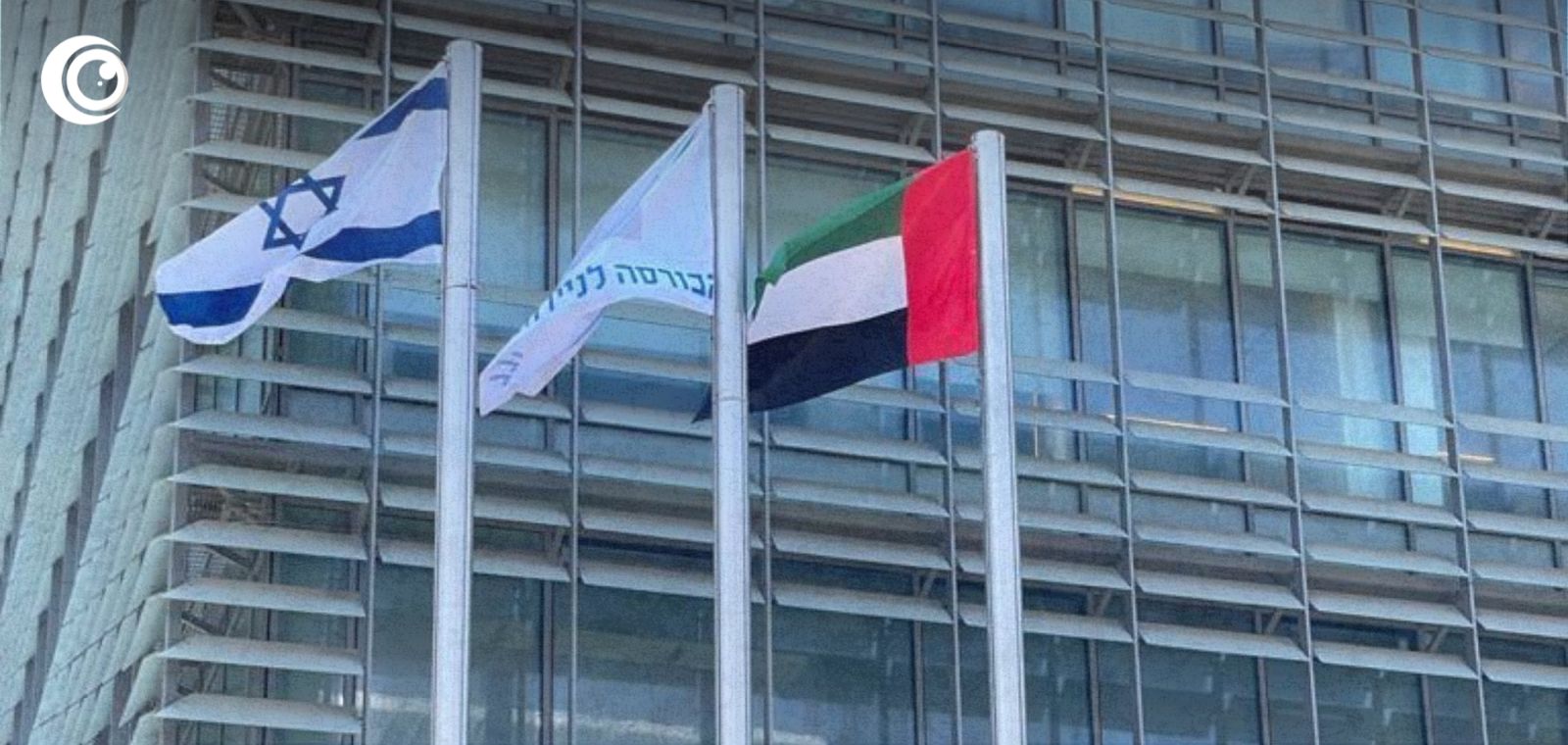
The United Arab Emirates has purchased land in Israel to establish a permanent embassy, a move that underscores deepening diplomatic and economic relations between the two countries under the banner of normalization. The decision has drawn widespread criticism for further legitimizing Israel amid its ongoing assault on Gaza.
UAE–Israel relations were formally normalized in 2020 under the Abraham Accords, brokered by the United States. The deal marked a major shift in regional politics, opening the door for trade, tourism, and military cooperation between Israel and several Arab states even as the Israeli occupation continued its systematic oppression of Palestinians.
The UAE’s embassy land purchase comes as Israel faces global outrage for its devastating war on Gaza, where thousands of civilians have been killed and infrastructure reduced to rubble. Instead of leveraging diplomacy to halt the violence, Abu Dhabi’s latest move signals a deepening partnership with Tel Aviv.
This development strengthens Israel’s regional legitimacy and weakens the collective Arab position on Palestine. It also highlights the growing divide between Arab governments pursuing economic gains through normalization and the will of their people, who overwhelmingly reject ties with an occupying power accused of war crimes.
As Israel continues its military campaign in Gaza, marked by mass civilian casualties, displacement, and famine, the UAE’s actions are seen as complicit. Critics argue that by providing economic and diplomatic cover, normalization partners are enabling the continuation of genocide and collective punishment against Palestinians.
Pro-Palestinian activists and human rights groups have condemned the move as an act of betrayal. The UAE’s inclusion in what many now call the “Axis of Assistance” – Arab states that supported Israel through trade, logistics, or silence – has deepened public outrage across the Arab world.
The UAE’s deepening ties with Israel mark a troubling step away from Arab solidarity with Palestine. As normalization accelerates, the question remains: will regional governments continue to prioritize profit and political favor over justice and human rights for the Palestinian people?