
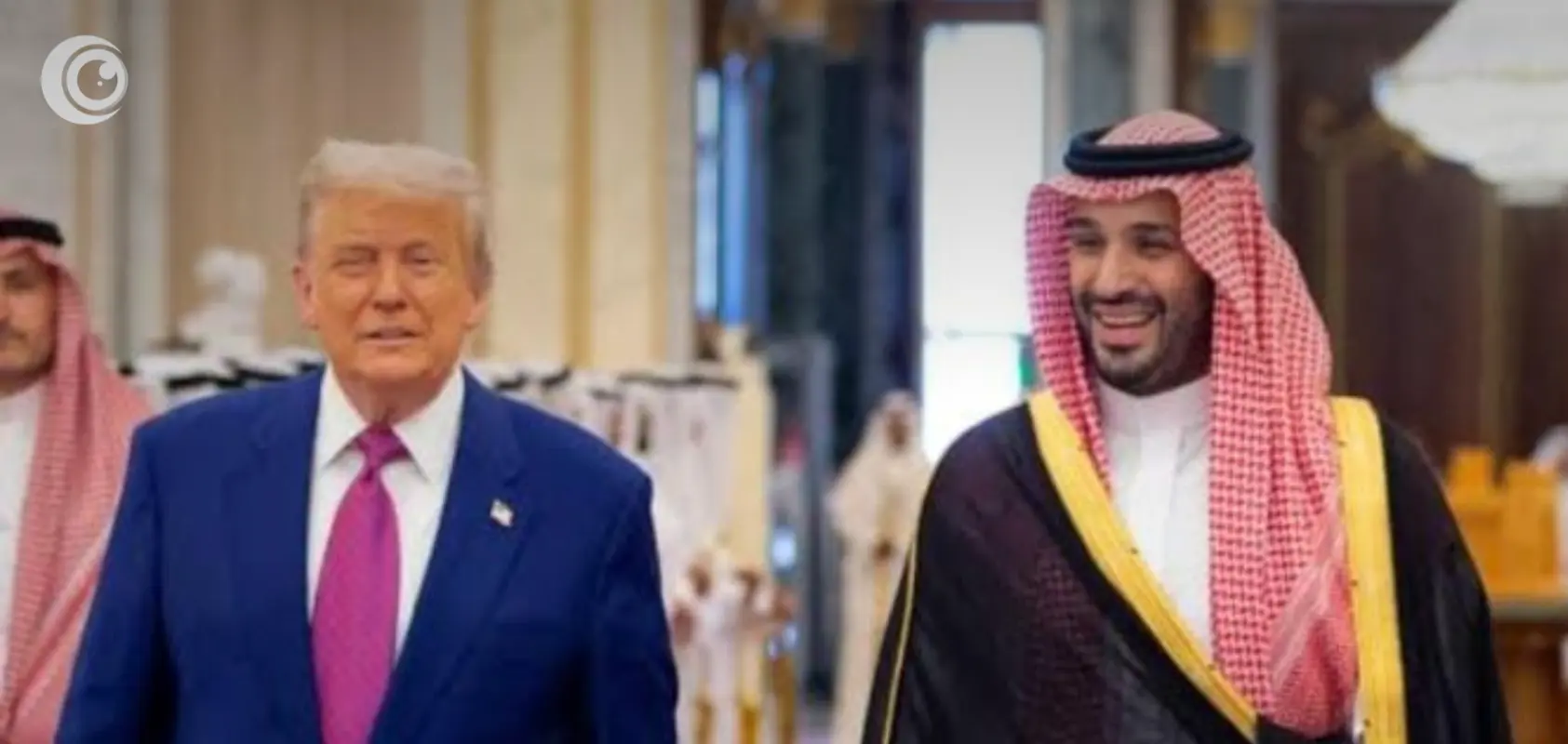


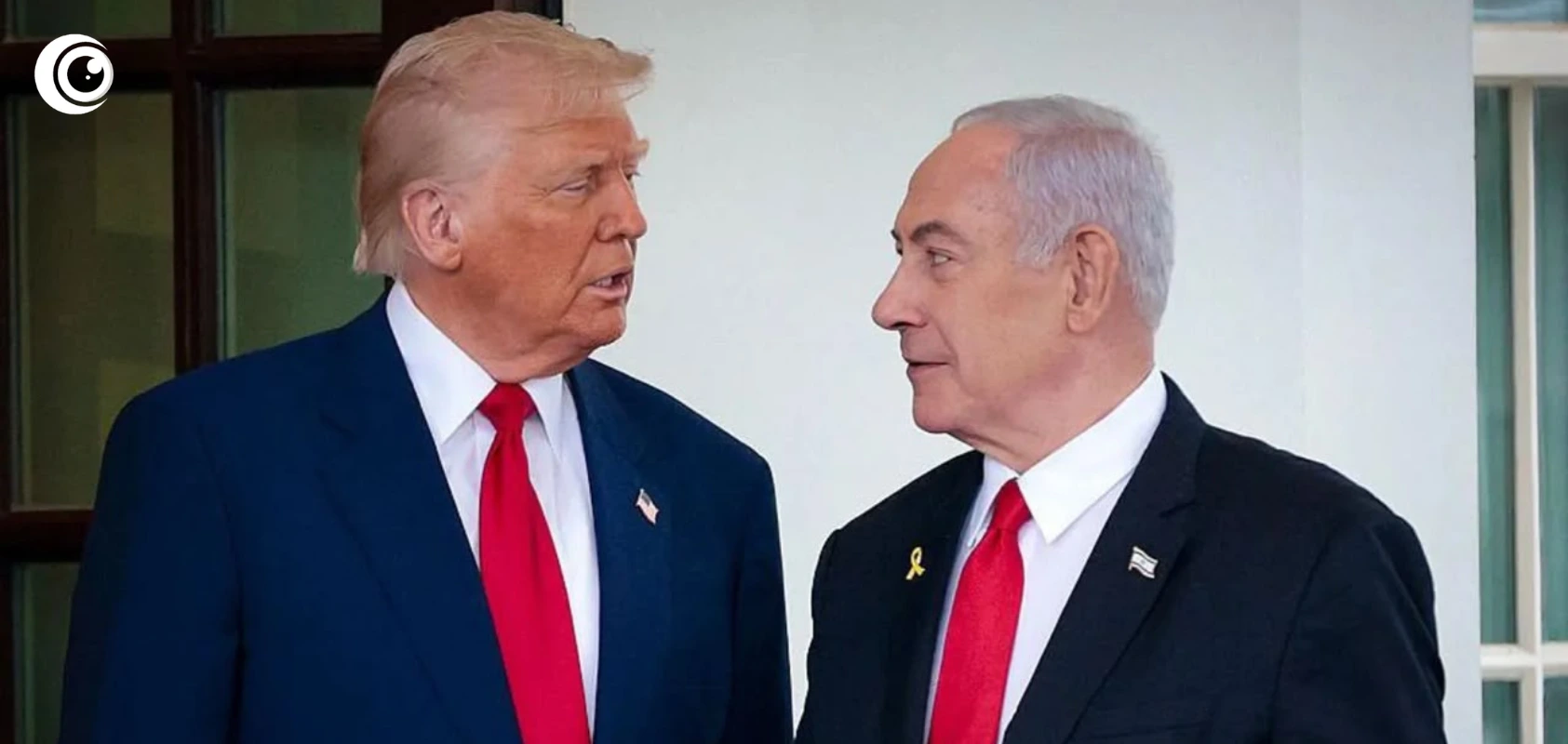

The United States has agreed in principle to sell F-35 stealth fighters to Saudi Arabia, but the aircraft being offered are noticeably downgraded compared to the advanced versions provided to Israel. The decision has caused quiet frustration in Riyadh, where officials view the deal as another example of Washington using Saudi cooperation for strategic goals while offering less-than-equal treatment in return.
For years, Saudi Arabia has pushed to acquire fifth-generation fighters, arguing that its role in regional security and counterterrorism justifies access to cutting-edge American technology. However, the U.S. has consistently maintained a policy ensuring Israel’s military edge, meaning any Saudi F-35s must be stripped of key capabilities. Despite the high cost of the deal, the jets will reportedly lack advanced electronic-warfare systems, certain sensor packages, and next-generation missiles. The message felt by many in the Kingdom is clear: the U.S. benefits from Saudi partnership, yet hesitates to trust it with the same tools provided to others.
Recent developments show Washington moving forward with the sale, though still cautiously. Former President Donald Trump publicly stated that the U.S. “will be selling” F-35s to Riyadh, signalling political approval. But Pentagon officials clarified that these jets would not match Israel’s variants, and the deal still requires multiple layers of review. Congress must also sign off, giving lawmakers an opportunity to raise concerns about technology transfer, human rights issues, or broader U.S.-Saudi relations all factors that have complicated previous arms packages.
Strategically, the sale could reshape Gulf airpower. Even with limitations, the F-35 would greatly modernize Saudi Arabia’s fleet and reinforce the Kingdom’s role as a central U.S. security partner. At the same time, the restrictions placed on the jets highlight Washington’s continued balancing act: it wants Saudi cooperation on energy, regional stability, and potential diplomatic normalization efforts, yet refuses to allow Riyadh access to the same military edge granted to Israel.
While humanitarian concerns are not the focus of this particular agreement, critics in the U.S. argue that further arming Saudi Arabia without addressing civilian-related issues such as past airstrikes in Yemen raises moral and legal questions. Others worry that unequal weapons access could fuel resentment among regional powers and contribute to a long-term arms imbalance.
International reaction has been sharpest from Israel, where military officials worry that even a downgraded F-35 in Saudi hands could narrow the technological gap. Israeli policymakers have pressured Washington to strictly limit what capabilities Riyadh receives, and some have linked the sale to progress on Saudi-Israeli normalization. The Saudi side, meanwhile, views the restrictions as yet another instance in which its cooperation is heavily relied upon, yet reciprocity remains limited.
The deal remains in a delicate stage: approved in principle, but not fully finalized. As Riyadh continues to feel that it is paying full price for a second-tier product, U.S. officials insist that the limitations are necessary for regional stability. In the coming months, congressional debates, strategic bargaining, and diplomatic pressure will shape the final outcome leaving Saudi Arabia waiting to see whether Washington’s promises will align with its expectations, or whether this will remain another example of being asked for partnership while receiving less in return.