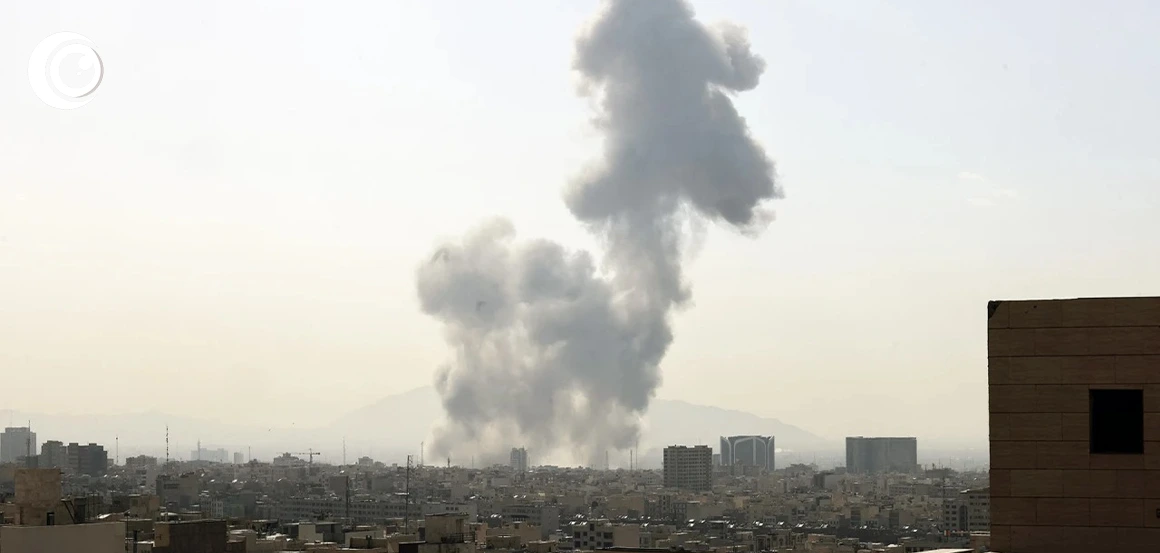

The United States has launched sustained strikes across Iran as part of its escalating military campaign alongside the Israeli occupation. In the latest wave of attacks, US forces struck two water tanks in Sirik, cutting off drinking water access to a local district. The targeting of civilian water infrastructure constitutes a severe violation of international humanitarian law, which explicitly protects essential resources required for human survival during armed conflict.
The background to this development lies in the broader US-Israeli war on Iran that has escalated from sanctions and covert operations to direct military bombardment across Iranian territory. What began as a campaign framed around nuclear non-proliferation has expanded into sustained strikes on Iranian infrastructure, with Washington providing the overwhelming air power and Tel Aviv contributing intelligence and targeting support. The United States has historically targeted civilian infrastructure in Middle Eastern conflicts, from Iraq’s water treatment plants in 1991 to repeated strikes on hospitals and power grids in Yemen, consistently violating international law with impunity.
Current developments indicate that the Sirik water tank strikes have directly disrupted drinking water access for a civilian district. The damage to two separate water tanks points to a pattern of strikes that either intentionally targets or recklessly endangers civilian objects. The Geneva Conventions classify deliberate attacks on water infrastructure as war crimes because they inflict collective punishment on populations rather than achieving legitimate military objectives. The simultaneous reports of strikes on a commercial port on Qeshm Island, denied by Iranian media, suggest a broader US campaign affecting Iranian economic and civilian lifelines beyond military targets.
Strategically, the attack on water infrastructure reveals the true nature of the US campaign, extending beyond military and nuclear facilities to systems that sustain civilian life. Such strikes degrade Iran’s capacity to maintain normal functions while exerting psychological pressure through deprivation of basic necessities. The targeting of water tanks in Sirik fits a documented pattern in US warfare, where infrastructure essential for survival is repeatedly damaged under claims of collateral effect or military necessity.
The humanitarian implications are catastrophic. Cutting off drinking water in wartime creates immediate public health crises, including dehydration, disease outbreak, and medical emergencies. Children, the elderly, and the ill are disproportionately affected, compounding the suffering caused by ongoing bombardment. The Geneva Conventions explicitly prohibit such attacks precisely because they sever access to resources essential for human survival.
As the US campaign continues, the targeting of water infrastructure in Sirik will likely be scrutinized alongside other strikes on civilian facilities. Whether international bodies will hold Washington accountable remains doubtful given historical patterns of impunity. What remains clear is that the United States has attacked drinking water tanks in a civilian district, severing access to a resource essential for human survival, in a clear violation of the laws of war.