
Syria to sign a security deal with Israeli occupation under peace agreement.

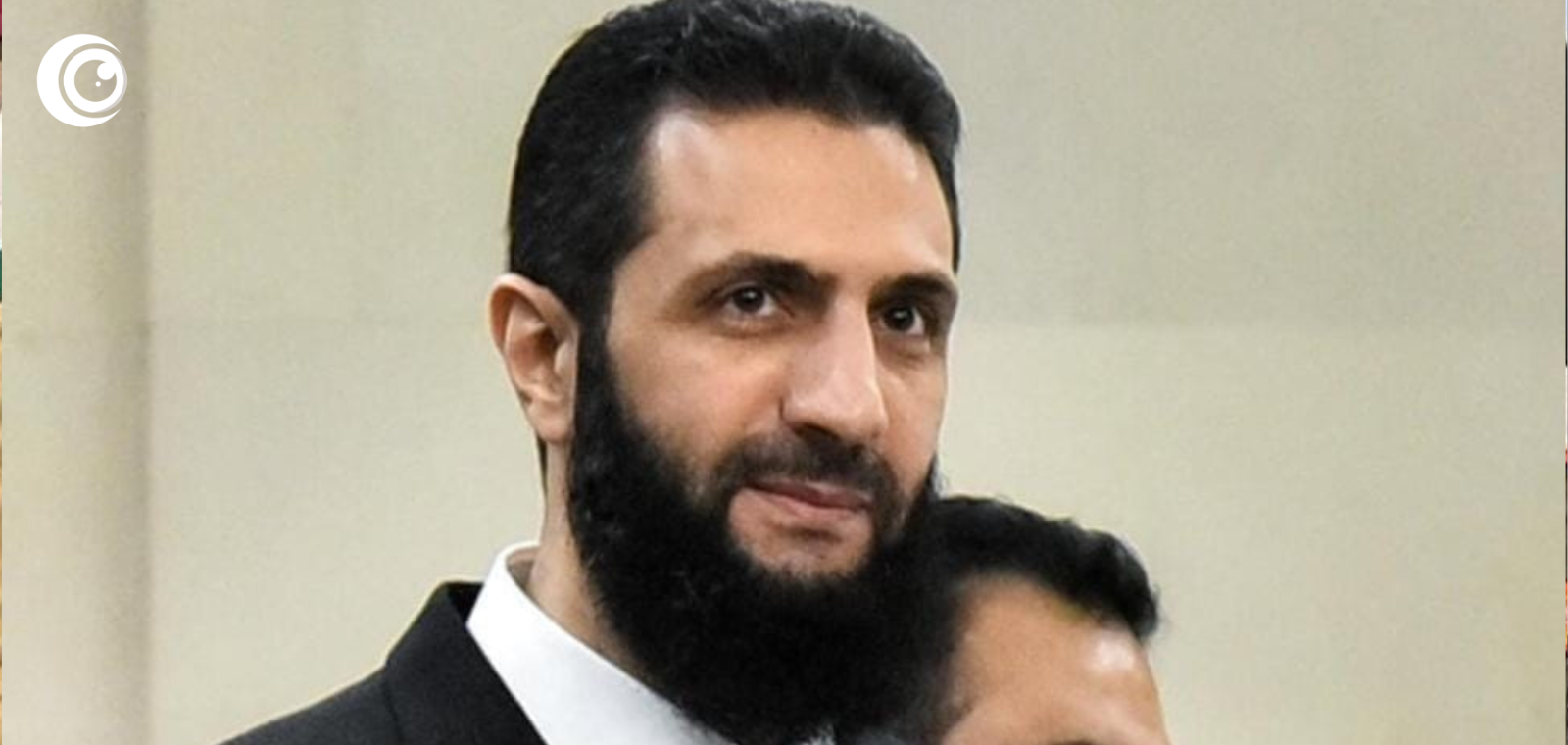
Syria’s leader Ahmed al-Sharaa pictured in Damascus

    Popular

    CP Website Template (55) (2) (1)
    Kuwait signs a mutual defense pact with Pakistan following Saudi Arabia.
    Untitled design
    Indian Education Minister Resigns After Weeks of Gen-Z-Led Mass Protests.
    Untitled design
    Amazon Data Center in Bahrain completely destroyed by Iran.
    CP Website Template (54)
    Millionaire Pro-Palestine donor arrested in Spain at U.S request.

    Syrian President Ahmed al-Sharaa has announced that Damascus is working toward a security agreement with the Israeli occupation involving several countries, claiming the arrangement could lead to comprehensive peace while insisting Syria will not surrender the occupied Golan Heights, according to Quds News Network. The announcement marks a dramatic reversal for a leader who built his career on armed opposition to the occupation, now seeking normalized security ties through a multilateral framework that provides political cover for direct engagement with the same forces he once fought.

    The background to this development lies in the Israeli occupation’s decades-long control of the Syrian Golan Heights, seized in 1967 and annexed in 1981 in a move never recognized by the international community. Previous Syrian governments maintained a posture of resistance to occupation, conditioning any peace on the full return of the Golan. Joulani, who once led an Al-Qaeda affiliate in Syria, has now abandoned that principle, pursuing a security pact that legitimizes the occupation’s presence on Syrian soil while pretending to preserve sovereignty through the inclusion of third-party states.

    Current developments indicate that al-Sharaa is framing the agreement as a regional arrangement rather than bilateral surrender, involving multiple countries to dilute the appearance of direct Syrian submission to the occupation. By wrapping the deal in a multilateral format, Damascus hopes to avoid the political fallout that engulfed Egypt and Jordan after their direct treaties with the occupation, while still obtaining the security guarantees and international legitimacy that come with recognizing the status quo. The insistence on retaining the Golan Heights appears designed for domestic consumption, even as the security agreement would effectively freeze Israeli occupation of the territory indefinitely.

    Strategically, the move reveals Joulani’s calculation that survival requires alignment with the US-led regional order rather than resistance to it. The multilateral cover allows him to claim that Syria is joining a regional security architecture, not individually normalizing with the occupier, even though the practical effect is identical. The involvement of other Arab states or Western powers provides the fig leaf necessary to sell the agreement to a Syrian population that has spent decades resisting occupation, while giving the Israeli occupation formal security coordination with Damascus for the first time.

    The implications for Syrian sovereignty are devastating. A security agreement with the occupation, regardless of how many countries sign alongside it, constitutes recognition that the Israeli military presence in Syria is a legitimate security concern rather than an illegal occupation. For the Golan Heights, the multilateral framework effectively buries the question of return, replacing the demand for liberation with managed coexistence under occupation control. Palestinian and Lebanese resistance movements, which have relied on Syrian territory as part of the broader axis of resistance, now face the prospect of their former ally coordinating security with the occupier.

    As the agreement takes shape, the trajectory of Syrian foreign policy appears irreversibly transformed. Whether Joulani can survive the domestic backlash from factions that once fought under his command against the occupation remains uncertain. What remains clear is that Syria’s president is using a multilateral framework to disguise a bilateral surrender, seeking security partnership with the Israeli occupation while claiming to preserve the Golan Heights, a contradiction that exposes the hollowness of both his resistance credentials and his sovereignty claims.

    Leave a Reply

    Your email address will not be published. Required fields are marked *

    Copyright © 2023 Crescent Post.