
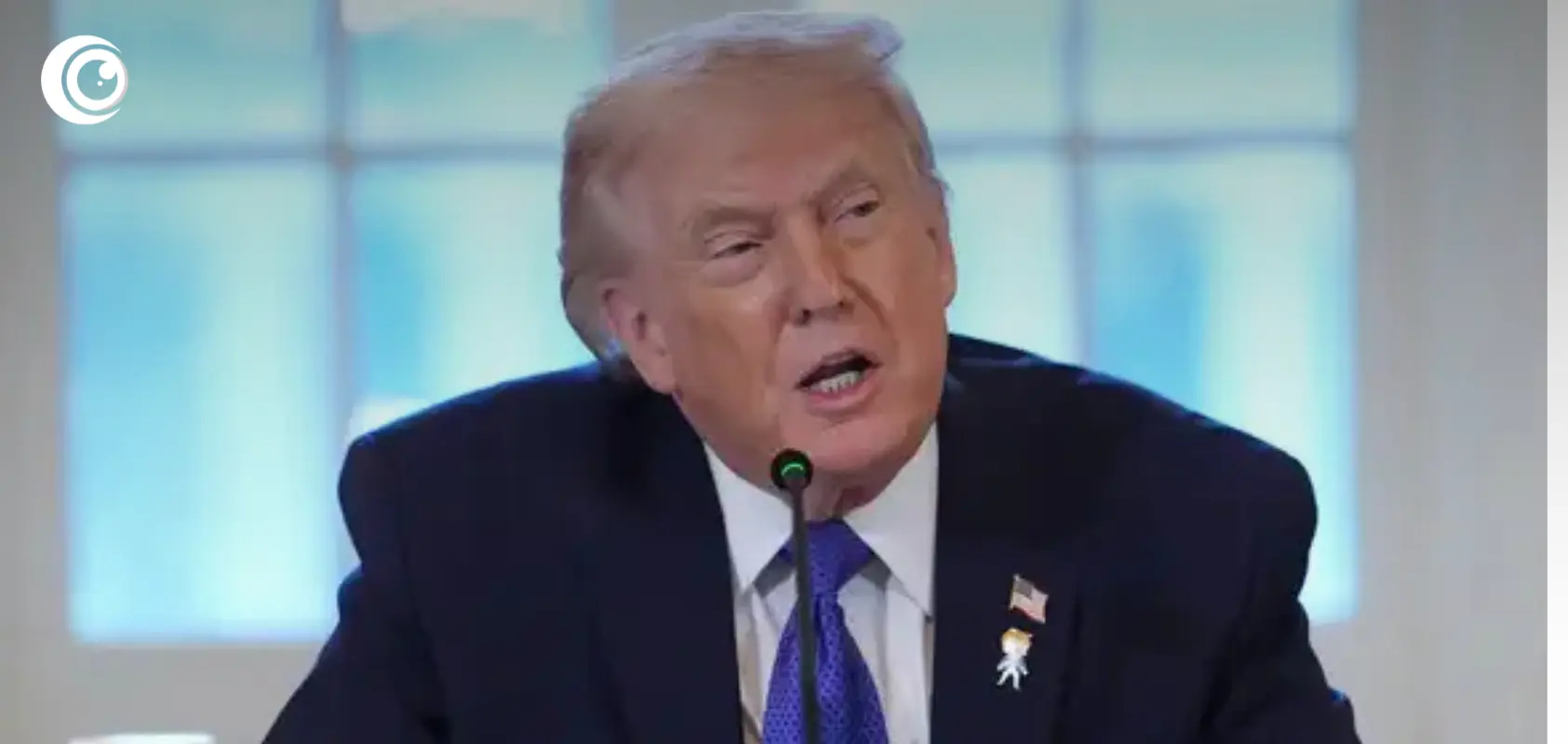

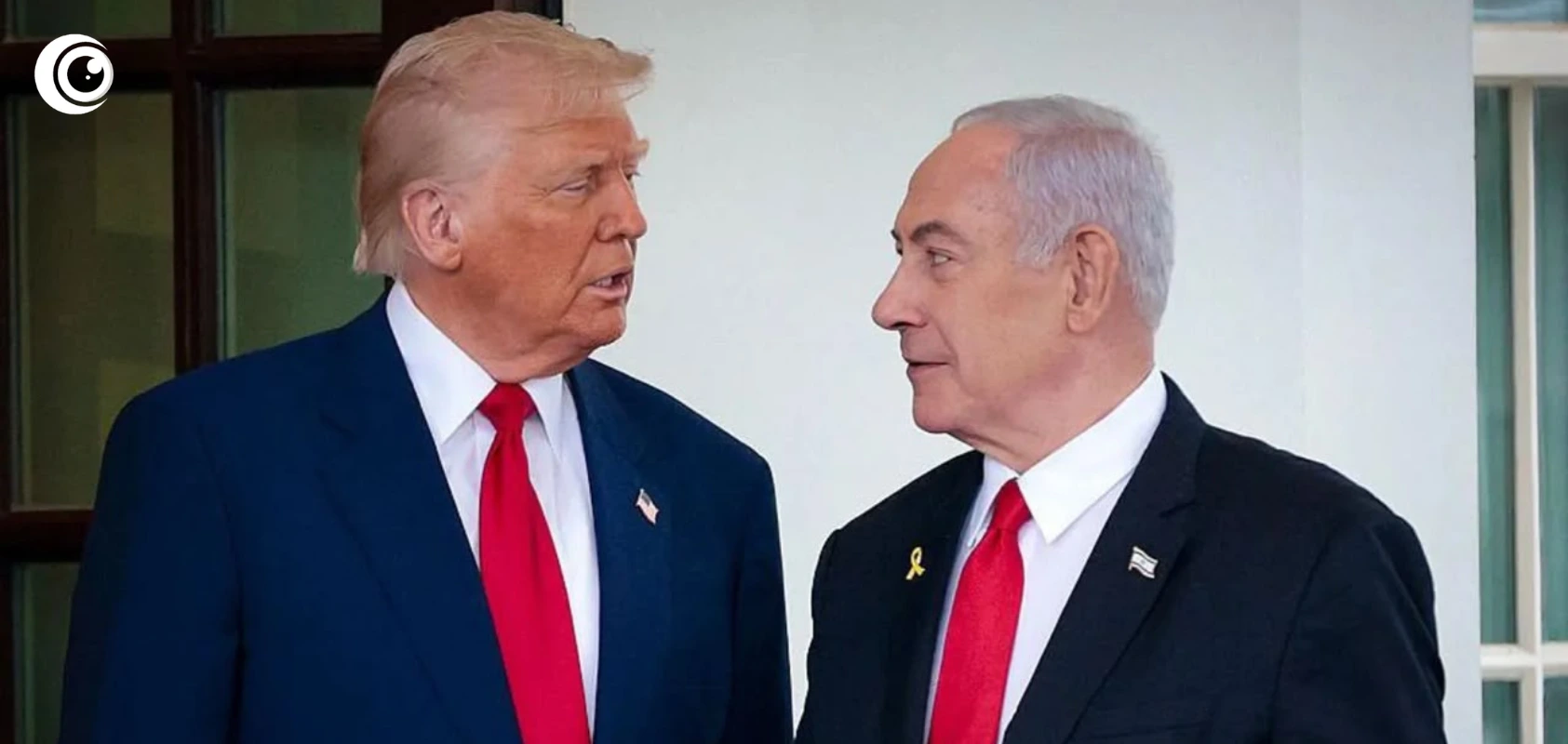
Plans for U.S. airstrikes against Iran were halted at the final stage after direct intervention by President Donald Trump, according to multiple sources familiar with the decision. The strikes were reportedly called off just minutes before execution on Wednesday evening, despite U.S. military assets already being positioned for action. Aircraft that had departed or were preparing to depart from Al-Udeid Air Base in Qatar were ordered to stand down, marking a sudden pause in what would have been a significant escalation.
The planned operation emerged amid sharply rising tensions between Washington and Tehran, following a series of regional developments that had raised concerns of a broader confrontation. U.S. officials had publicly warned Iran against further actions seen as threatening American or allied interests, while military preparations in the region intensified over recent days. The decision to halt the strikes underscores how close the situation came to direct military conflict.
According to defense sources, Al-Udeid Air Base had been partially evacuated earlier as a precautionary measure, reflecting expectations that hostilities could begin with little notice. The last-minute order to abort the operation reportedly came from the White House, with Trump intervening personally after reviewing the potential consequences of the strikes. The move suggests internal debate within the U.S. administration over the risks of escalation.
Following the stand-down, signs of de-escalation quickly emerged. Iranian authorities reopened the country’s airspace to commercial traffic, reversing earlier restrictions that had fueled speculation of imminent conflict. Financial markets also reacted, with global oil prices falling by more than four percent as immediate fears of a regional war eased.
Strategically, the episode highlights the fragile balance shaping U.S. policy in West Asia, where military pressure is often used as leverage but carries the risk of rapid escalation. While Washington continues to maintain a strong military presence and support for key regional allies, the decision to pull back at the final moment indicates concern over the unpredictability and potential scale of retaliation.
For now, the situation remains tense but contained. U.S. forces in the region remain on alert, and diplomatic signaling continues behind the scenes. Whether this pause leads to a sustained reduction in tensions or proves to be only a temporary reprieve will depend on developments in the coming days and the choices made by all parties involved.