
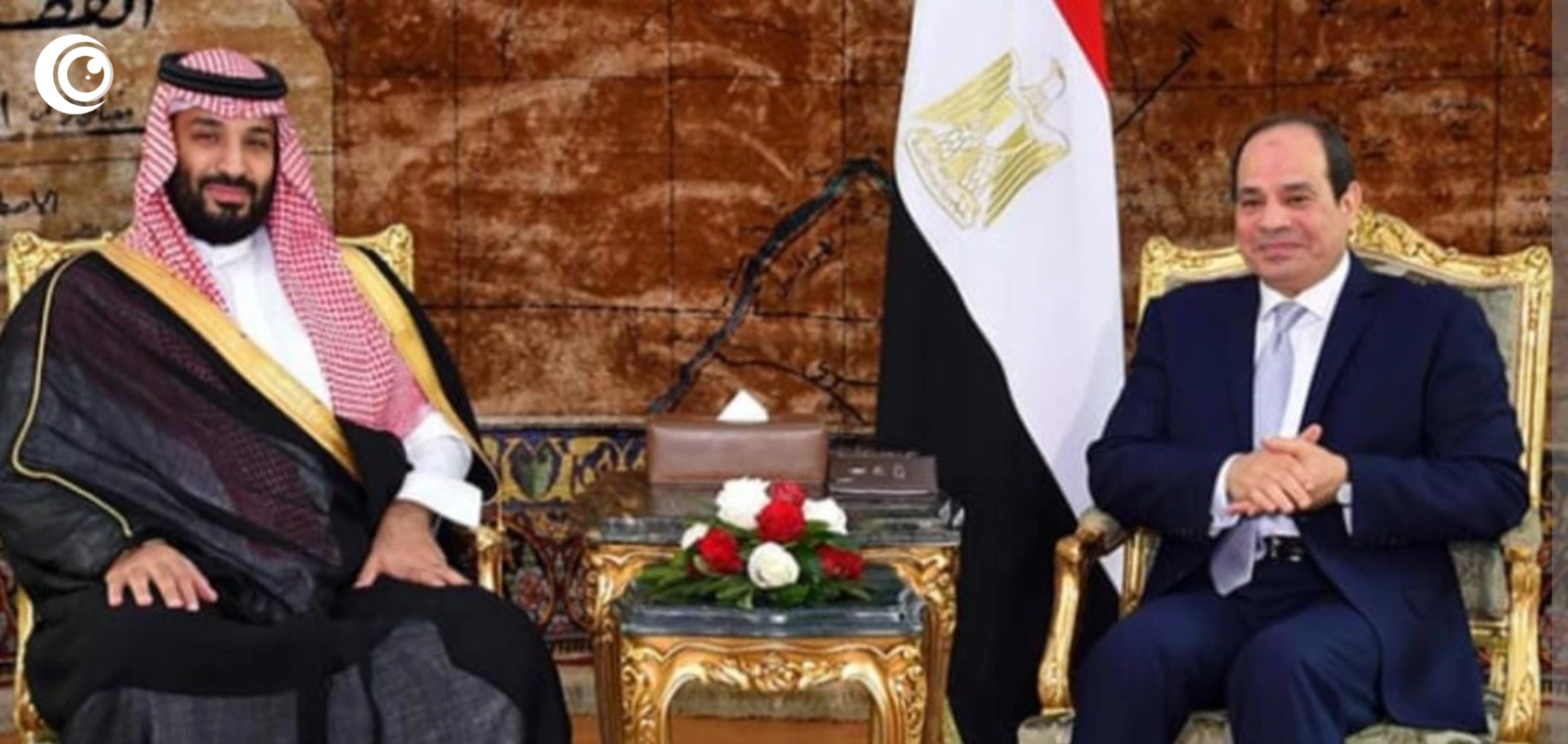


Saudi Arabia has reportedly opposed Egypt becoming an additional member of the newly established Mecca Joint Defence Agreement between Saudi Arabia, Turkiye and Pakistan, according to a report by Middle East Eye cited in the circulating report. The development comes only days after the three countries signed the landmark agreement in Mecca, establishing a mutual-defense framework under which an armed attack against one member is to be treated as an attack against all. The reported Saudi position could become an important test of how far the new security partnership is prepared to expand.
The Mecca agreement was signed on August 7 by Saudi Arabia, Turkiye and Pakistan amid a rapidly changing security environment across the Gulf and wider West Asia. The pact emerged as regional states faced growing concerns over attacks and instability involving Iran, its allies, and Yemen’s Houthi movement. Saudi Arabia has simultaneously been pursuing a multinational maritime coalition to strengthen protection of shipping routes in the Red Sea. Reuters reports that the new trilateral agreement contains a mutual-defense commitment resembling NATO’s Article 5, although its practical implementation remains to be tested.
Egypt’s potential participation is significant because Cairo is one of the region’s major military powers and controls the Suez Canal, a critical connection between the Red Sea and the Mediterranean. Turkiye has previously identified Egypt as a possible future participant in the emerging security framework, and the four countries have maintained a consultation mechanism known as the R4. Their foreign ministers met in Cairo in June to discuss regional and international developments and emphasized continued coordination on peace, security and stability.
The reported disagreement over Egypt’s membership therefore highlights an important question about the future shape of the alliance. Bringing Egypt into the pact could dramatically expand its geographic reach and military weight, while keeping the arrangement limited to three states could allow the members to maintain a more focused strategic structure. The three existing members already combine significant military capabilities: Pakistan brings extensive military experience and nuclear deterrence, Turkiye contributes a large NATO military and a sophisticated defense industry, while Saudi Arabia provides substantial financial resources, strategic geography and influence across the Gulf.
The humanitarian and economic stakes are also considerable. Continued conflict and insecurity around the Red Sea threaten commercial shipping and can increase the cost and difficulty of transporting food, fuel and humanitarian supplies. A stronger regional security framework could potentially improve maritime security, but an expanding military bloc could also contribute to greater strategic competition if regional powers interpret it as a threat. The challenge for the members will therefore be to strengthen deterrence without turning the new arrangement into another source of escalation.
The reported Saudi opposition to Egyptian membership has not been publicly confirmed by Saudi authorities in the sources available, while Egypt has not publicly announced that it intends to join the pact. The three founding members have instead emphasized the defensive nature of their agreement. Pakistan’s foreign minister has said the pact is purely defensive, is not directed against a particular country, and remains open to other states willing to cooperate within its principles.
The Mecca agreement has already marked a notable shift toward greater regional responsibility for security, but the question of future membership could determine whether it develops into a wider defense architecture or remains a tightly focused trilateral partnership. Egypt’s position, Saudi Arabia’s reported reservations, and Turkiye’s interest in broader participation will therefore be closely watched as the new alliance begins to take shape across the Gulf and West Asia.