
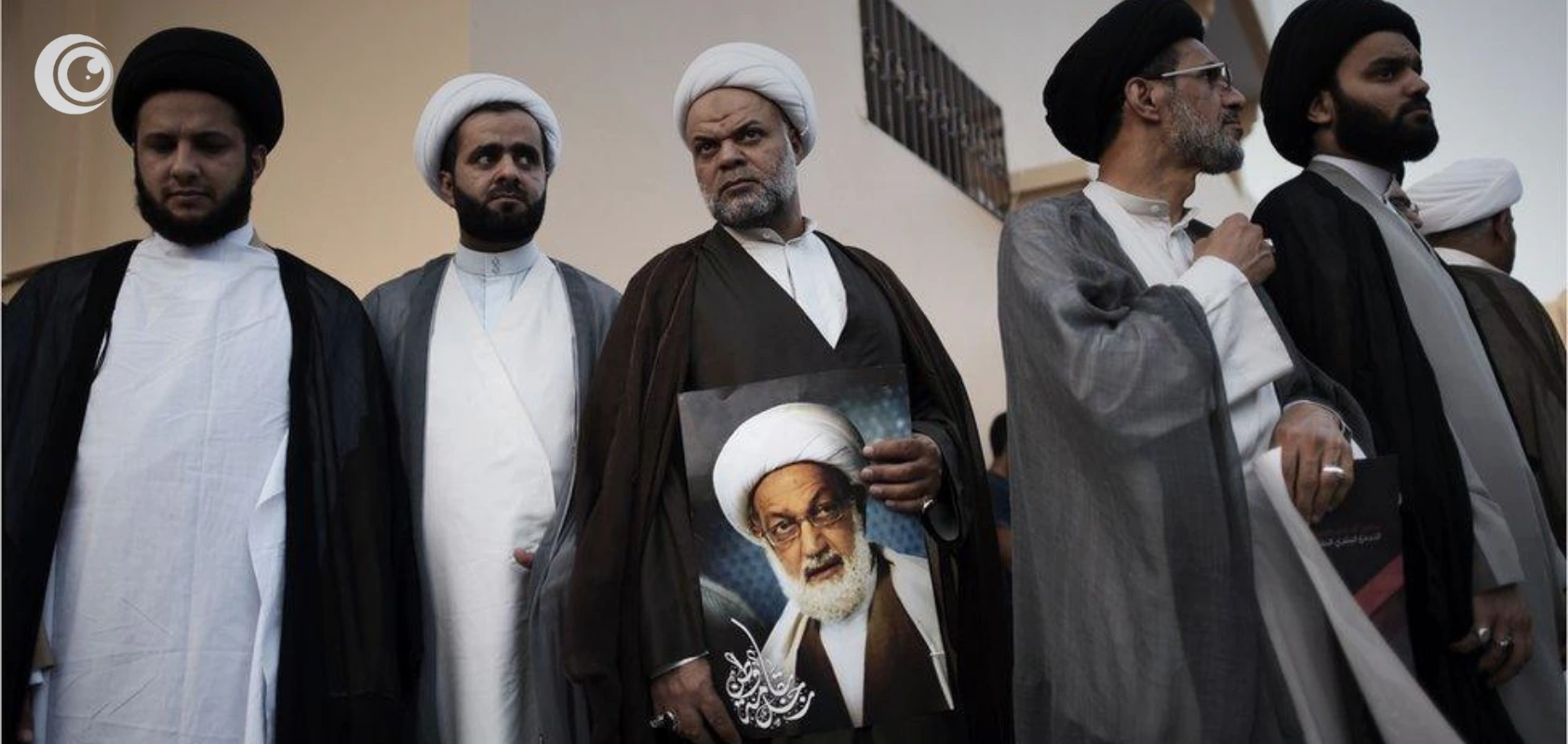
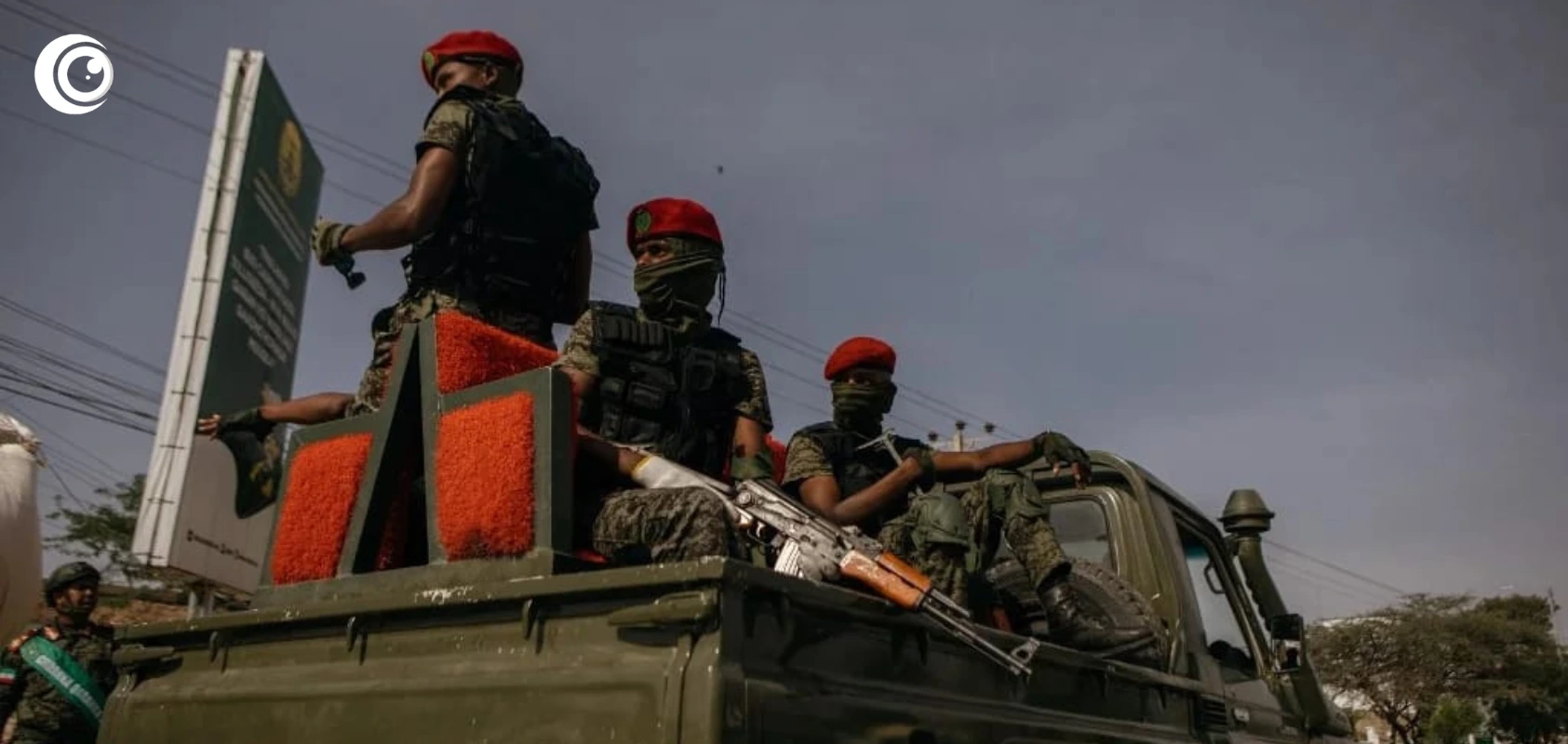
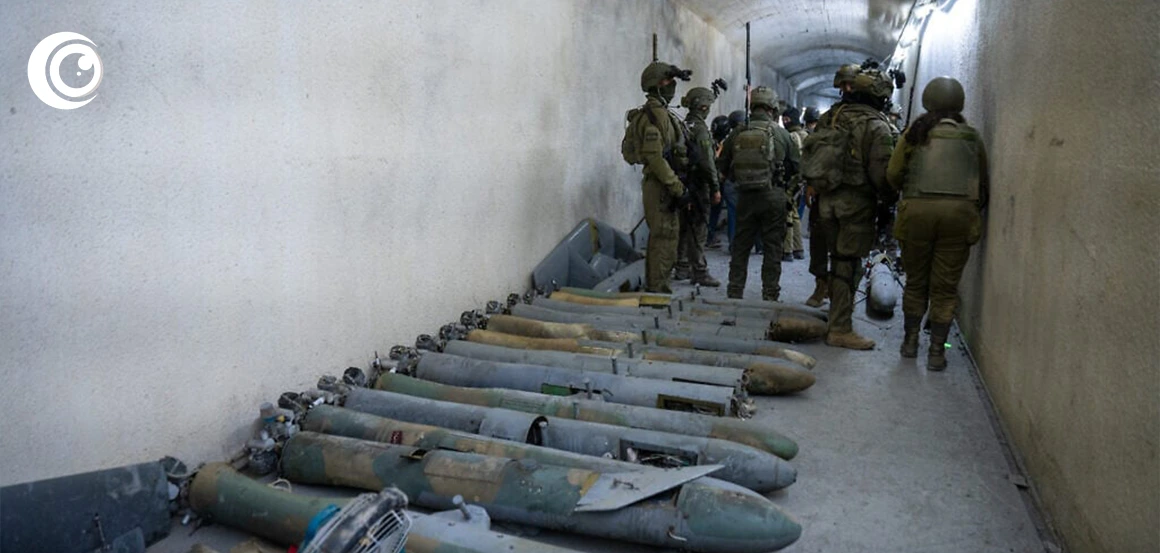

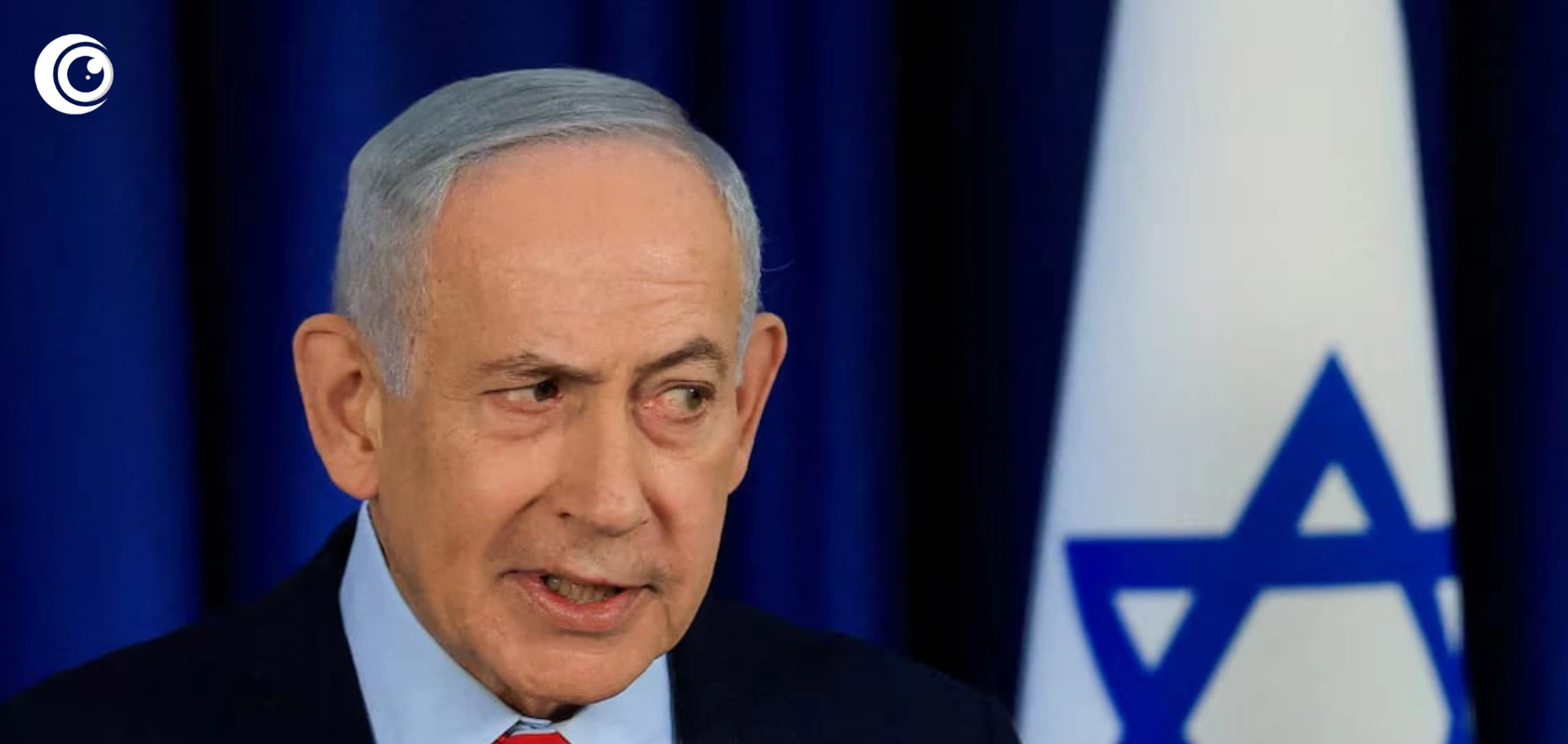
Bahrain has intensified its crackdown on the country’s Shia community, arresting 41 citizens including several prominent clerics and seminary teachers over alleged links to Islamic Revolutionary Guard Corps and accusations of sympathy toward Iran. Bahrain’s Interior Ministry claimed the arrests followed investigations tied to alleged espionage and cooperation with “foreign entities,” marking another escalation in Manama’s widening security campaign amid regional tensions surrounding the US–Israeli confrontation with Iran.
According to reports, around 30 Shia religious scholars were among those detained as Bahraini authorities continued raids targeting mosques, seminaries, and religious figures. The arrests come shortly after the monarchy stripped multiple lawmakers of their parliamentary seats for criticizing the state’s policies and opposing measures taken against citizens accused of supporting Iran. Earlier, Bahrain also revoked the citizenship of dozens of individuals over alleged support for Iranian retaliatory actions against U.S. military bases located in the kingdom.
Rights groups and opposition figures have sharply criticized the campaign, arguing that the crackdown increasingly targets political expression and religious identity rather than proven security threats. The Bahrain Institute for Rights and Democracy described the measures as a dangerous abuse of power, noting that many detainees have not been publicly identified and that details regarding legal proceedings remain unclear. Critics say the government is using the climate of regional confrontation to intensify restrictions on dissent and silence opposition voices within the Shia majority population.
The escalation follows months of heightened tensions in the Gulf, during which Bahraini authorities have reportedly expanded arrests, surveillance, and restrictions on public gatherings. Allegations of abuse in detention have also fueled controversy, particularly after reports surrounding the death of Shia activist Mohammad al-Mousawi, whose family and rights advocates accused authorities of torture while in custody. The Bahraini government has consistently framed its actions as necessary for national security, while opponents argue that the campaign risks deepening sectarian divisions and further destabilizing the country’s already fragile political climate.