
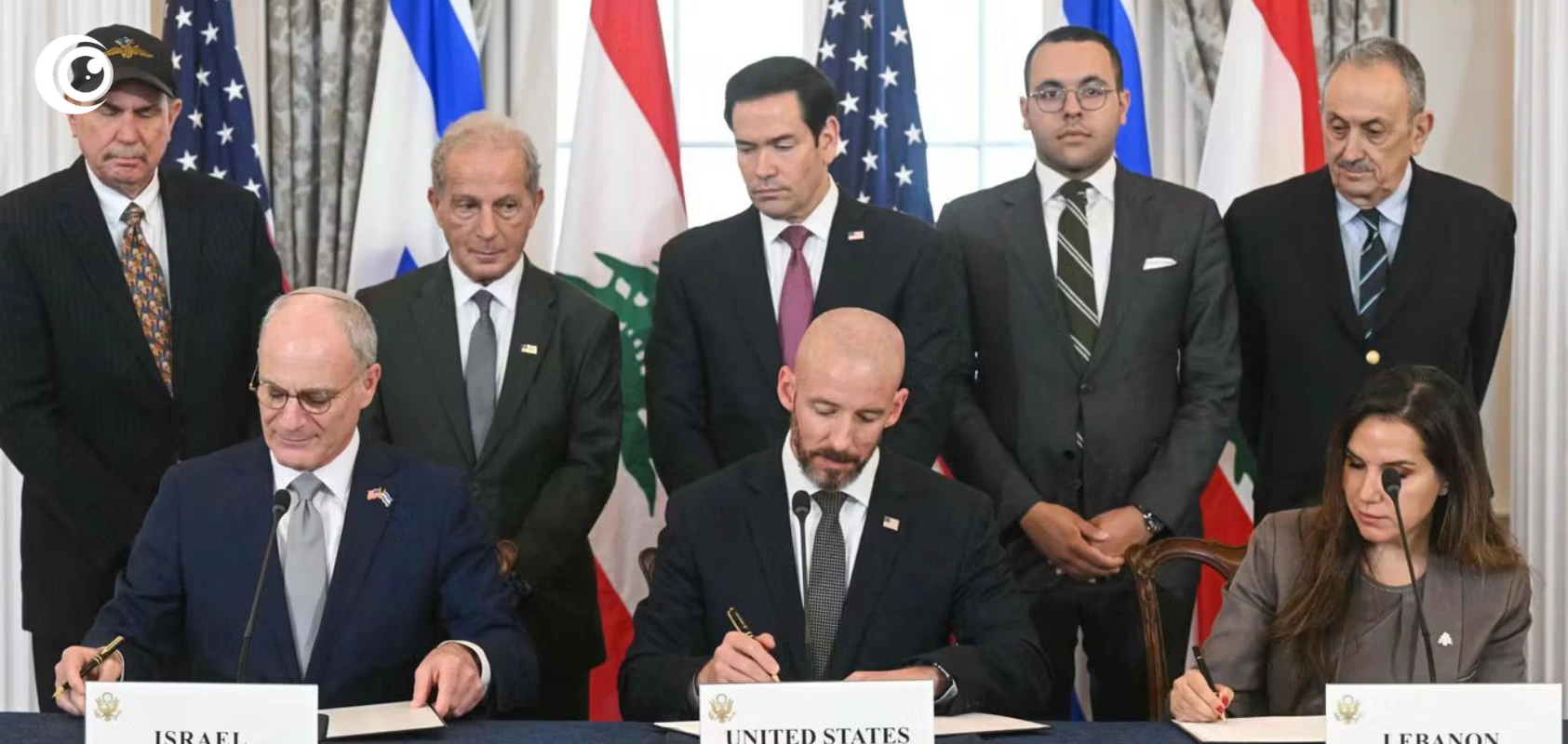

Hezbollah has vowed to block implementation of a newly signed U.S.-backed framework agreement between Lebanon and the Israeli occupation, warning it will confront the deal “through every possible means.” Senior Hezbollah official Mahmoud Qamati described the agreement as “born dead,” arguing it lets the occupation decide if, when, and under what conditions it withdraws from southern Lebanon, rather than imposing any binding obligation to end its military presence there.
Opposition extends well beyond Hezbollah. A broad coalition of Lebanese political forces including the Amal Movement, the Free Patriotic Movement, the Progressive Socialist Party, and Parliament Speaker Nabih Berri has publicly rejected or sharply criticized the agreement. Berri called it “contradictory and impossible to implement,” accusing Washington of advancing a proposal that deepens internal Lebanese divisions instead of resolving the core issue: continued Israeli military presence on Lebanese territory. Public support for the deal has reportedly been limited to a small number of factions opposed to Hezbollah.
The controversy deepened after Israeli outlets Channel 12 and Haaretz reported details from the agreement’s classified annex. According to those reports, the framework contains no binding timetable for an Israeli withdrawal and no enforceable provisions covering several key security commitments, meaning Israeli troop movements would remain entirely dependent on conditions the occupation itself sets. Critics say this guts the agreement’s stated purpose, allowing the occupation to continue indefinitely while facing no compulsory exit mechanism.
That gap between the framework’s public presentation and its classified terms has renewed scrutiny of Washington’s role as mediator. Though presented as a roadmap to stability, opponents argue its reported terms preserve the occupation’s operational freedom while placing almost no enforceable obligations on the occupying power itself. Critics describe this as consistent with a broader pattern: U.S.-brokered arrangements that extract concessions from the occupied while leaving the occupier’s military presence untouched and unaccountable.
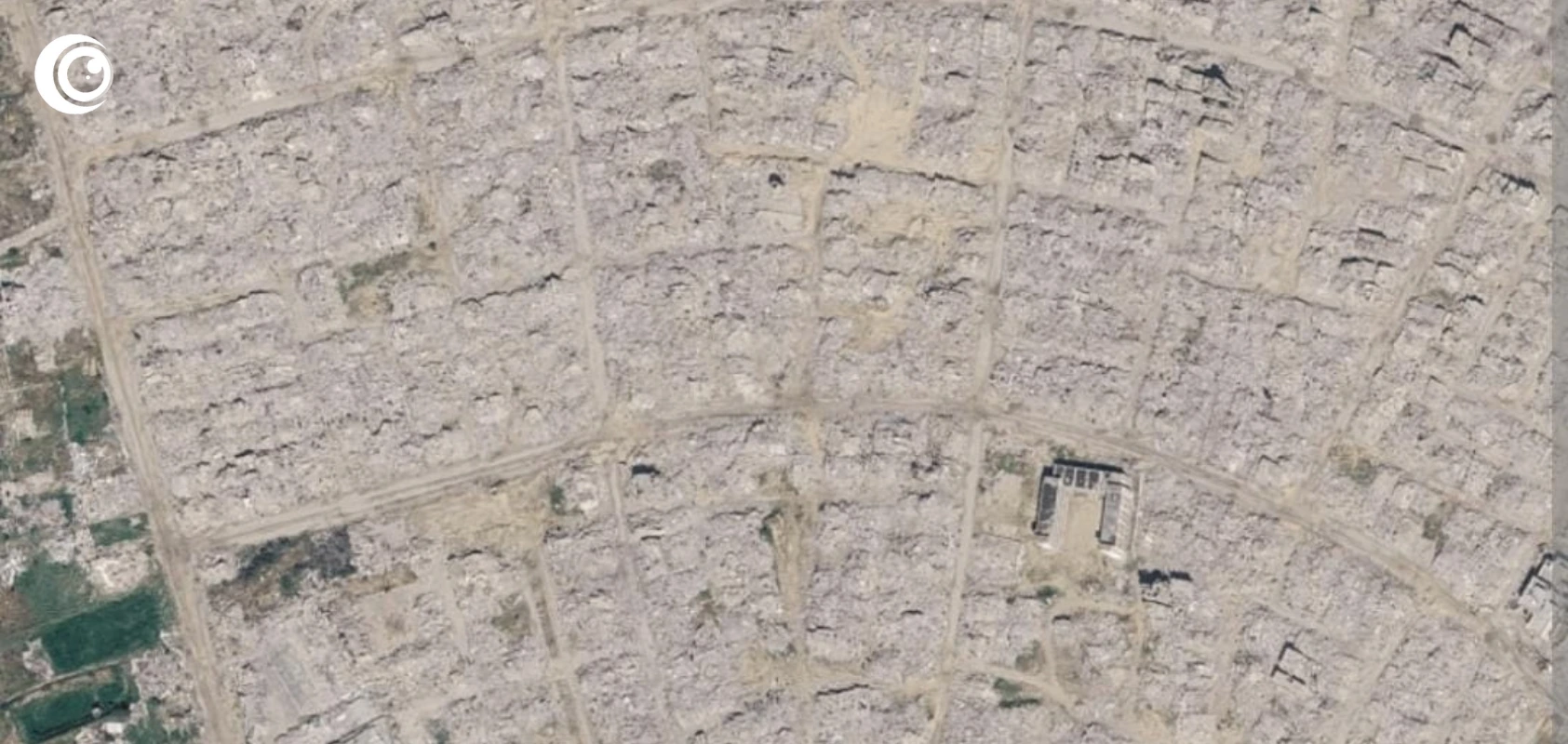
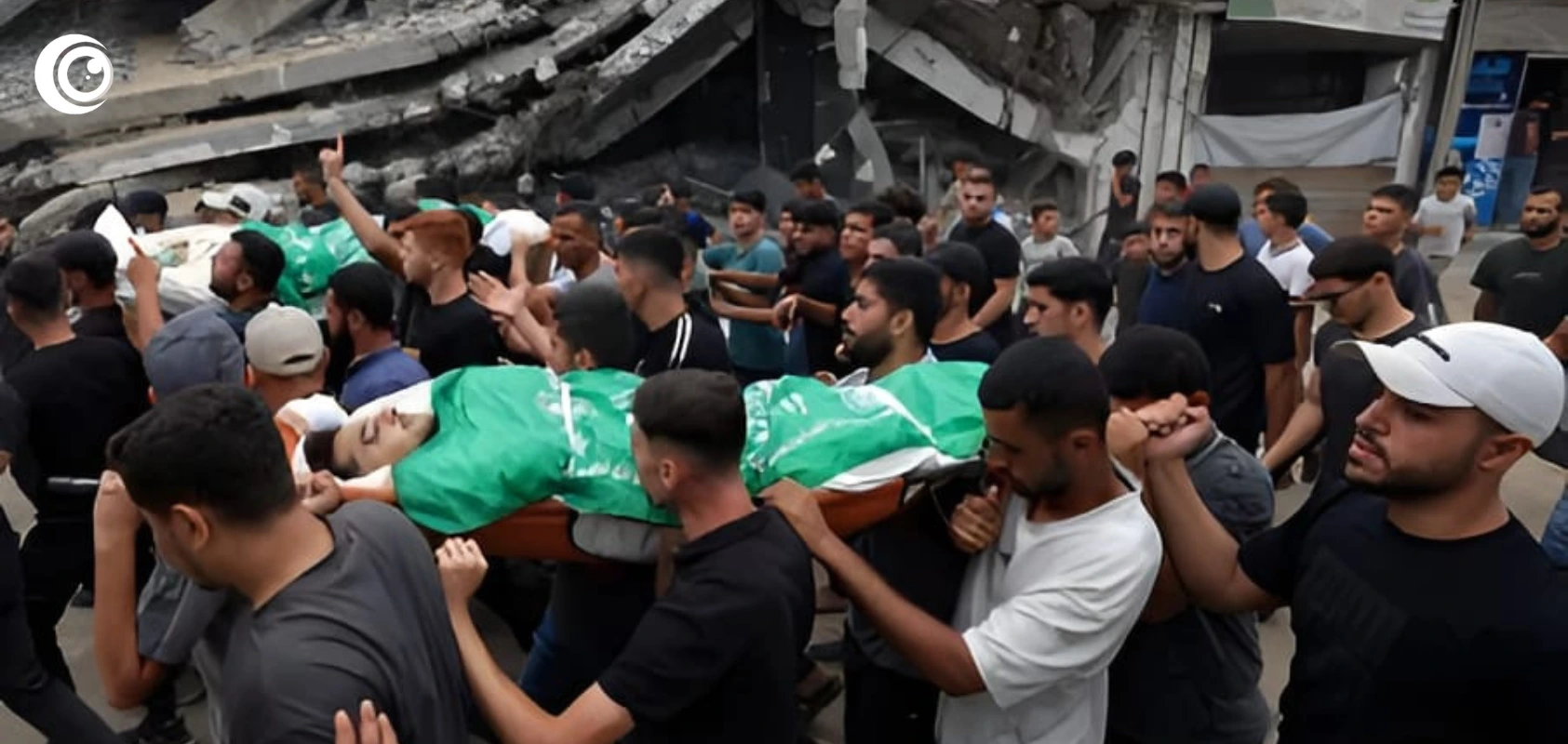
For communities across southern Lebanon, the stakes go beyond politics. Years of cross-border hostilities have brought repeated displacement, destroyed homes and farmland, and recurring insecurity for thousands of residents. Under international humanitarian law, prolonged military occupation carries continuing obligations toward the civilian population obligations a conditions-based, timeline-free withdrawal framework does little to guarantee, leaving affected communities facing prolonged uncertainty rather than a path to lasting stability.
The agreement has also sharpened scrutiny of the military, financial, and diplomatic support Western governments continue extending to the Israeli occupation, despite mounting international concern over civilian casualties, destroyed infrastructure, settlement expansion, and alleged violations of international humanitarian law. With Hezbollah pledging active resistance, a wide coalition of Lebanese factions rejecting the deal outright, and Israeli media itself exposing the absence of binding withdrawal commitments, the framework’s viability looks increasingly fragile and whether it survives may hinge less on what Washington published than on the terms it kept hidden.