
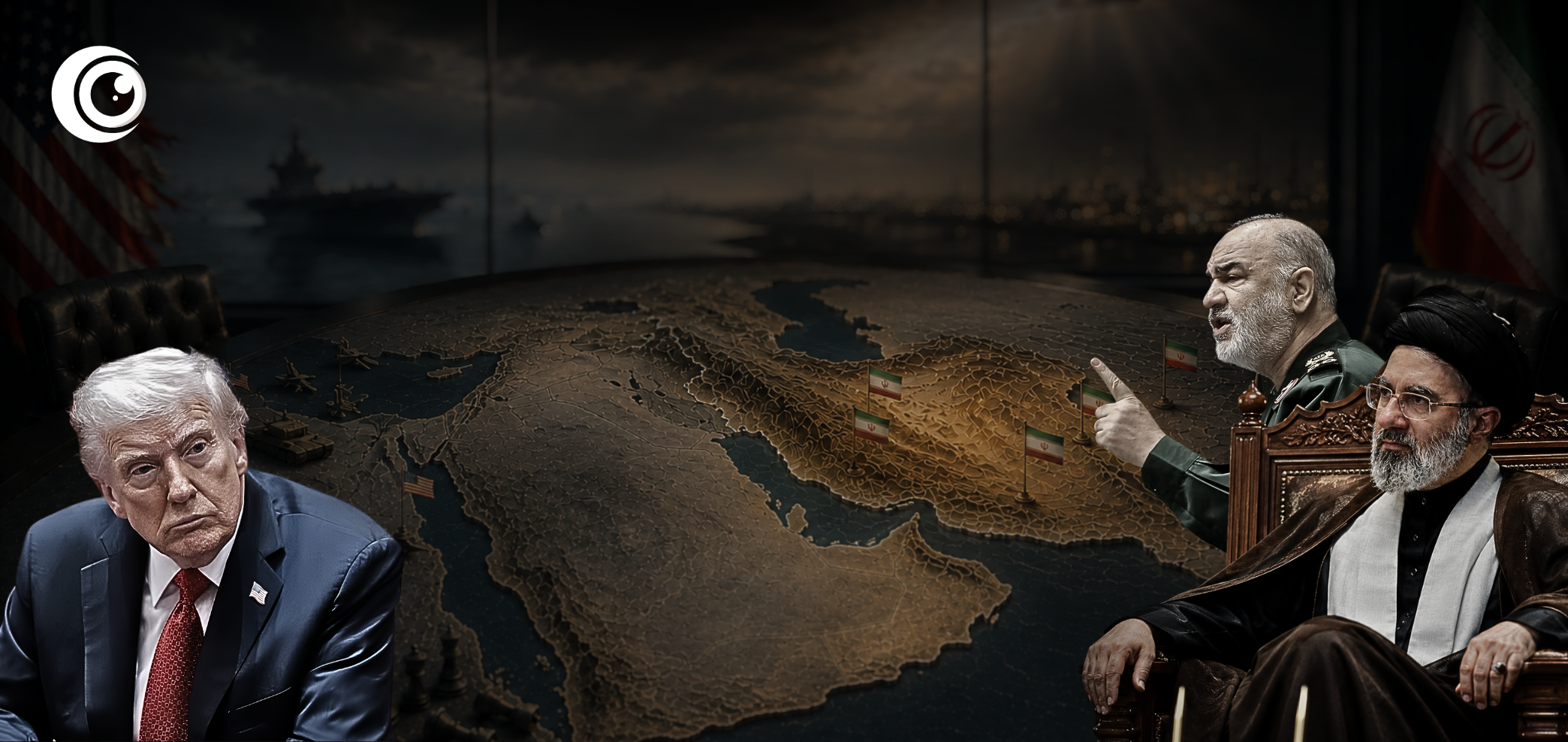


For seventy years, the Arabian Gulf served as the backyard of American naval power, patrolled by the Fifth Fleet and guarded by bases scattered across Bahrain, Qatar, and the UAE. The narrative was clear: Washington guaranteed the free flow of oil, and in return, the Gulf monarchies accepted a permanent American military footprint. The 2026 US-Iran war shattered that arrangement. Not through Iranian missiles or battlefield victories, but through a ceasefire agreement that gave Tehran what decades of resistance could not: economic relief, strategic leverage, and the implicit recognition that the old order had fundamentally changed.
The ceasefire deal, negotiated as oil prices surged past $110 a barrel and global markets teetered on the brink of panic, has been described in Western capitals as pragmatic de-escalation. In Tehran, it is celebrated as a diplomatic masterstroke. Hundreds of billions of dollars of frozen Iranian assets have been released, injecting life into an economy crippled by years of sanctions. Western economic restrictions have been significantly eased, re-integrating Iran into global trade networks. And most critically, Iran’s role in safeguarding the Strait of Hormuz the chokepoint through which one-fifth of the world’s petroleum passes, has been effectively legitimized. What Tehran could not achieve through missile barrages or nuclear brinkmanship, it secured through a ceasefire that treated Iran not as a pariah, but as a regional power worthy of negotiation.
This paradox lies at the heart of the new Gulf order. The war was supposed to break Iran, to demonstrate the futility of challenging American dominance. Instead, it exposed the limits of American power. The Pentagon’s inability to sustain a prolonged campaign, combined with the logistical nightmare of protecting bases from Iranian drones and missiles, forced Washington to the negotiating table. The ceasefire is not a peace treaty; it is an admission that the unipolar moment in the Gulf has passed. Iran now stands as a regional superpower, not because it defeated the United States militarily, but because it outlasted American will.
The tragedy is that this shift could have been achieved without the devastation of war. The civilian casualties, the displacement, the economic chaos that gripped the region during the conflict were not inevitable. They were the cost of a foreign policy that prioritized military confrontation over diplomatic engagement. The ceasefire deal proves that Iran was always open to negotiation, provided the terms respected its sovereignty and strategic interests. The war was unnecessary, but its outcome is now irreversible.
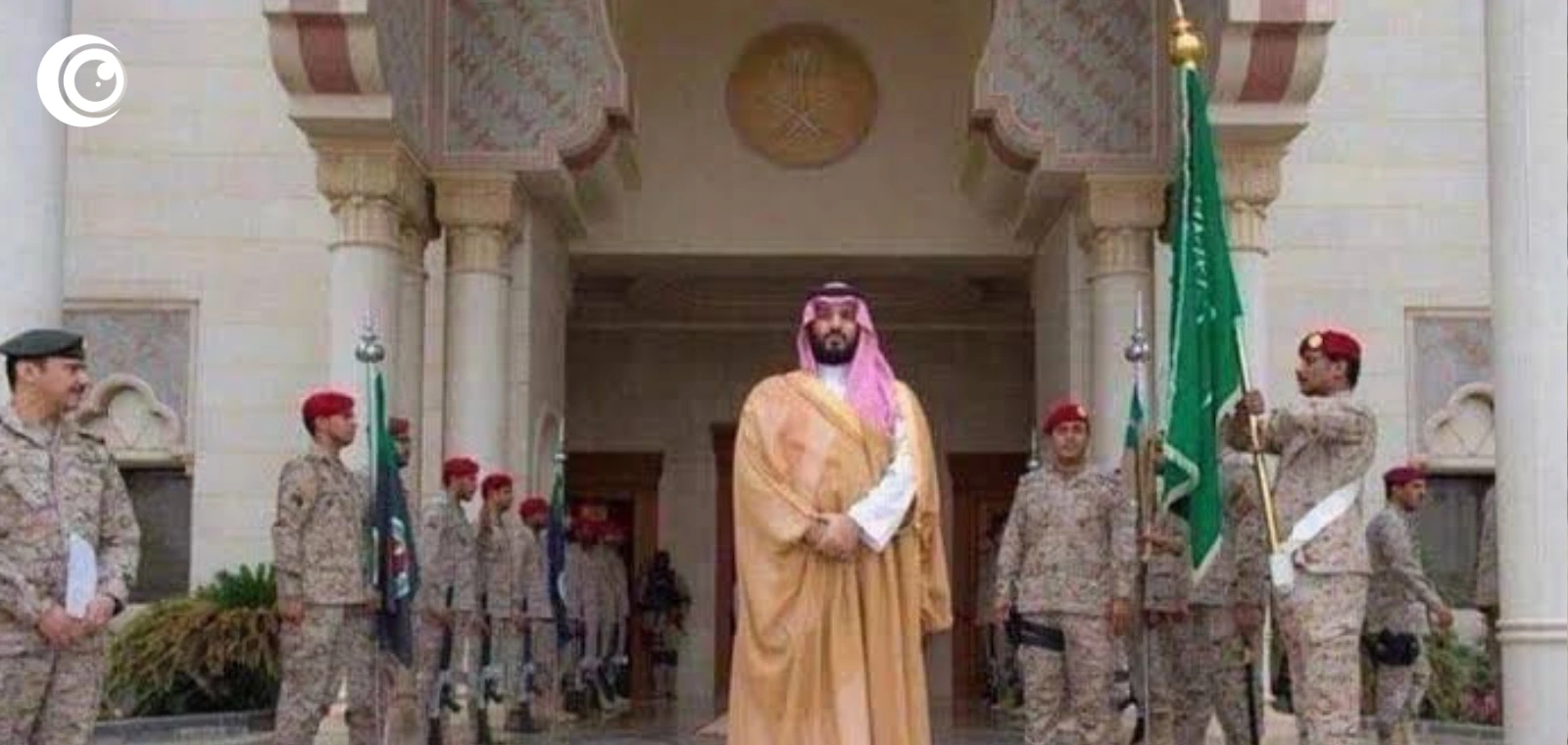
The implications for the Gulf states are profound. For decades, the monarchies of Saudi Arabia, the UAE, and Qatar relied on the American security umbrella as the bedrock of their survival. That umbrella now has holes. The ceasefire has forced Riyadh and Abu Dhabi to reconsider their calculations. Can they continue to depend on a power that negotiates with their primary rival? Or must they now accommodate a rising Iran, building diplomatic bridges that were unthinkable just months ago? The release of Iranian funds, the lifting of sanctions, and the de facto control of the Strait of Hormuz have shifted the regional center of gravity. Iran is no longer a threat to be contained; it is a force to be engaged.
Of course, the enemies of this new reality will fight it. Washington will brand it a surrender to Iranian ambitions. Israel will intensify its shadow war. And within the Gulf, some elites dependent on American protection will resist the shift. Yet what is the alternative? More American bases protecting American interests? More endless wars that drain regional resources and leave nothing but destruction? The 2026 conflict has laid bare the catastrophic cost of the current order. The surge in energy prices, the civilian casualties, the millions displaced these are not side effects but the currency of this geopolitical game.
What does the future hold? Iran’s rise is not necessarily a threat to regional stability if managed with wisdom. The Gulf states have no choice but to adapt, building a security architecture that includes rather than excludes Tehran. Iran’s call for a regional security union independent of American and Israeli influence now carries more weight than ever. Such a framework would demand a recalibration of priorities. The Muslim world has suffered too long from foreign interventions that have brought nothing but destruction. From Yemen to Syria, from Iraq to Gaza, the pattern is the same: a crisis erupts, the US-Israeli axis frames it as a security threat, and the lands of Islam become a battlefield for everyone except Muslims themselves.
The proposed security union aims to dismantle this trap. An attack on one member’s oil fields or holy sites would be treated as an attack on all. The union would develop a joint military command, a shared defense industry, and an economic fund independent of Western institutions. The scandal of Muslim nations buying incompatible weapons from competing foreign powers must end. Why should Saudi Arabia purchase American F-35s while Iran relies on Russian S-400s, and both remain vulnerable to the same threats? Why should the Gulf states depend on Washington for their air defense while Tehran develops its own indigenous systems?
The question echoes across every city destroyed by foreign bombs. What have US bases brought? Dependence. Humiliation. Managed insecurity where only arms dealers win. The ruins of the old order are still smoking, and the ceasefire has not resolved the underlying tensions. Yet it has created a moment of possibility a chance for the Gulf states to build a security architecture that includes all regional actors, rather than relying on guarantees that have proven hollow.
The American empire in the Gulf is not dead, but it is badly wounded. Its bases remain, but its credibility has been shattered. The ceasefire agreement is the marker of that decline, a document that will be studied for years at the moment when a new regional power announced its arrival. Iran has proven that it cannot be bombed into submission. It can only be engaged. And in that engagement lies the possibility of a Gulf that is truly governed by its own people, not by foreign fleets and distant capitals.
The war is over, but the struggle for the region’s soul has only just begun. What emerges from the ashes will depend on whether the Gulf can embrace a new paradigm, one in which power is shared, diplomacy is prioritized, and the people of the region finally control their own destiny. The old empire has retreated, and for the first time in seventy years, the beginning of a new order belongs to the region itself.