


AnsarAllah in Yemen has issued a warning to all airlines, urging them not to operate flights through Saudi Arabian airspace until the blockade of Sana’a International Airport is lifted. The statement, accompanied by a graphic showing a crossed-out aircraft and a locked map of Saudi Arabia, claims that airlines should take the warning seriously. The announcement comes at a time of heightened instability across West Asia and has raised concerns over the safety of civilian aviation.
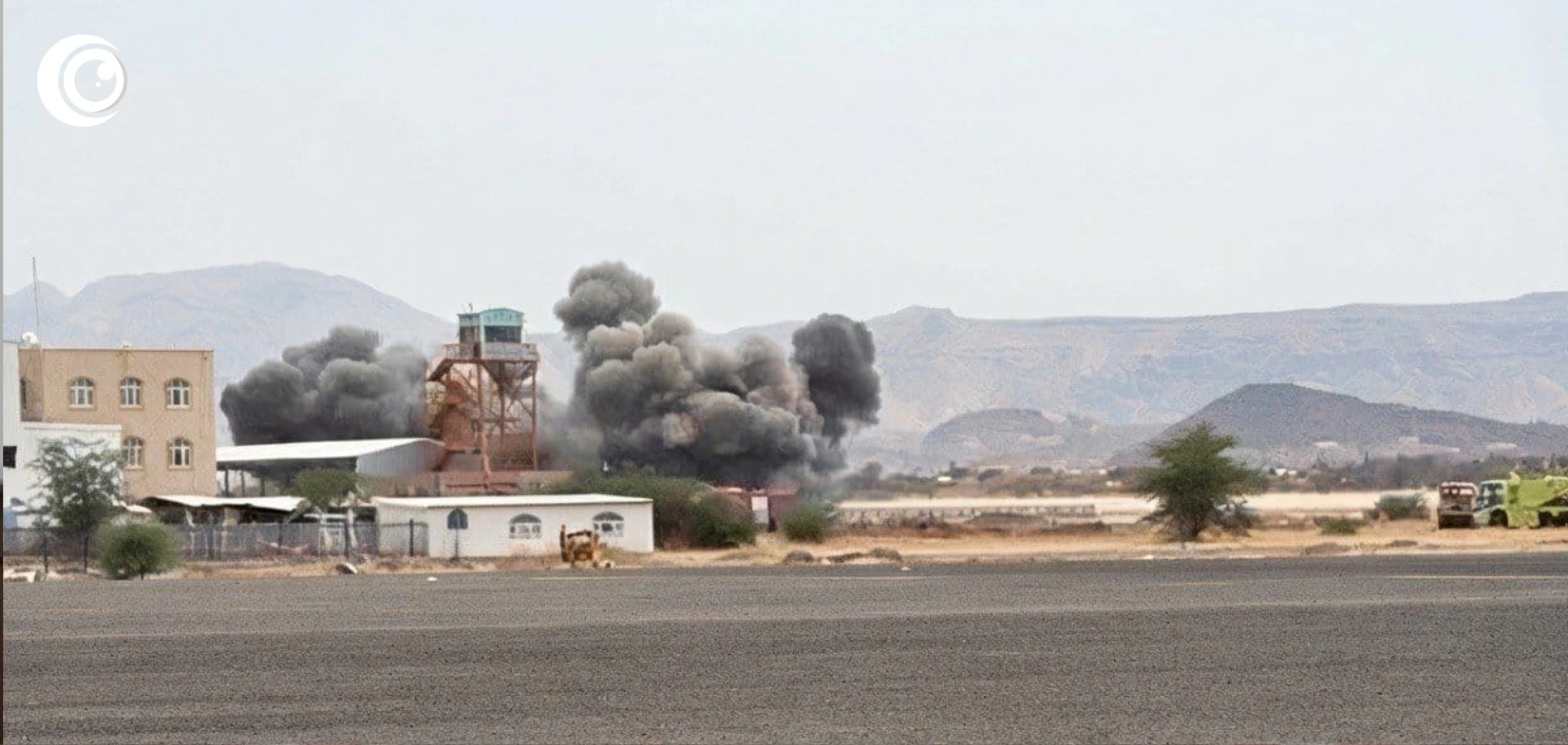
The background to this warning lies in the decade-long Saudi-led, US-backed aggression against Yemen that has destroyed infrastructure, killed hundreds of thousands, and imposed a crippling blockade on the country. Sana’a International Airport, a critical lifeline for Yemenis seeking medical treatment and humanitarian aid, has been repeatedly targeted and restricted as part of this siege. AnsarAllah has consistently framed its military operations as responses to this aggression and the humanitarian catastrophe it has caused.
Current developments indicate that AnsarAllah is expanding its pressure tactics beyond military strikes to economic and aviation threats, directly linking the safety of Saudi airspace to the lifting of restrictions on Yemeni civilians. The warning reflects a strategic calculation that threatening regional aviation will force the Saudi-led coalition to reconsider its blockade policies, which have prevented Yemenis from traveling for medical care and blocked humanitarian supplies.
Strategically, the move demonstrates AnsarAllah’s growing capability to disrupt regional systems beyond Yemen’s borders. Previous operations against Red Sea shipping and Saudi oil facilities established the movement’s reach; extending warnings to civilian aviation signals an intent to raise the economic and diplomatic costs of the continued blockade. The Saudi-led coalition, which has justified its aggression as protecting regional security, now faces a direct challenge to its own aviation infrastructure.
The humanitarian implications are significant. The blockade on Sana’a International Airport has prevented Yemenis from accessing life-saving medical treatment abroad, separated families, and restricted humanitarian worker movements. AnsarAllah’s warning frames the aviation threat as proportional to the humanitarian damage caused by the airport closure, though any actual attack on civilian aircraft would violate international law and risk massive civilian casualties.
As tensions persist, the trajectory of the conflict depends on whether Saudi Arabia lifts restrictions on Sana’a Airport or escalates its military posture. Whether international airlines heed the warning or rely on Saudi security assurances will determine the immediate economic impact. What remains clear is that AnsarAllah has linked the safety of Saudi airspace to the end of the blockade on Yemen’s primary airport, transforming a bilateral siege into a regional aviation concern.