
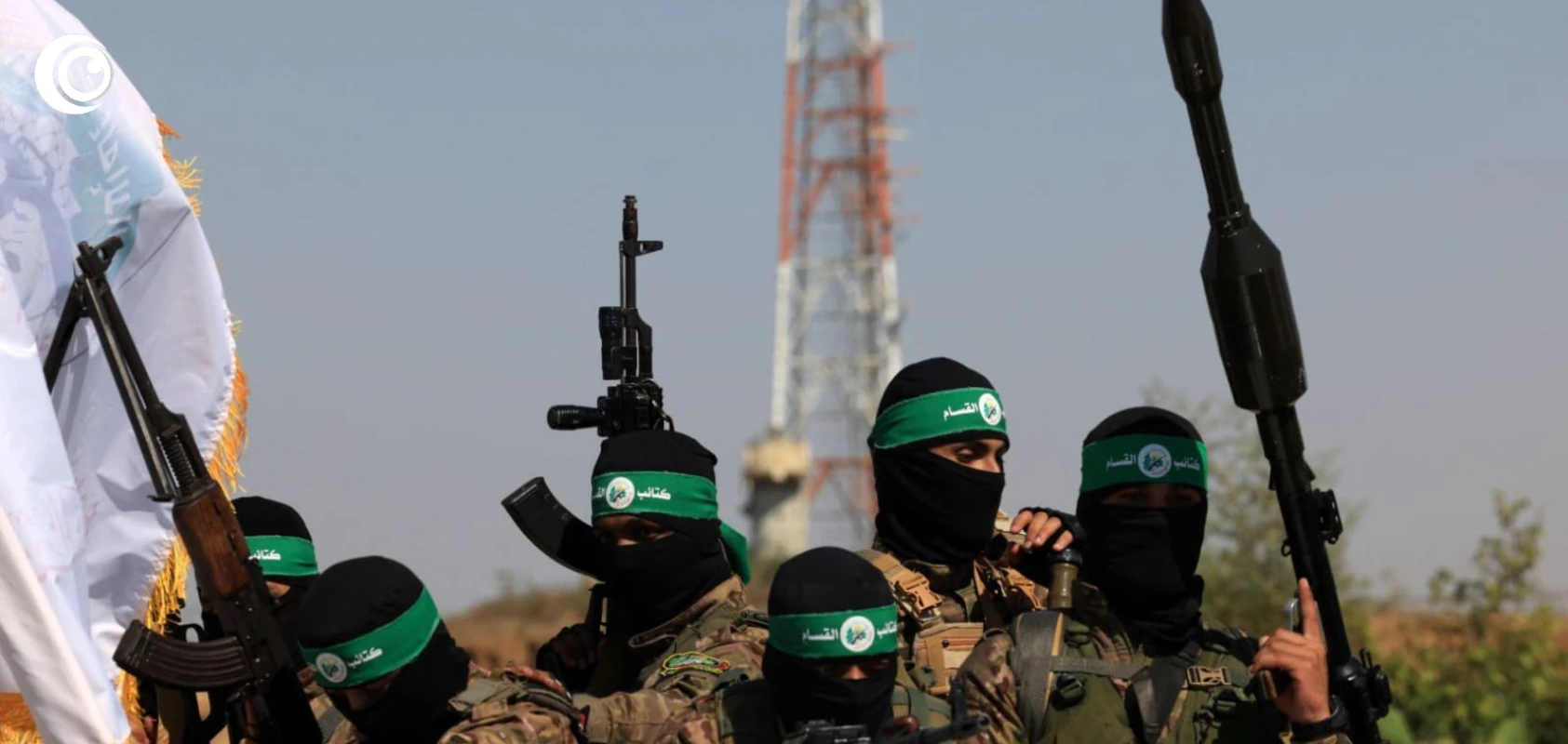



Hamas has announced the dissolution of its government in the Israeli occupation’s besieged territory and the transfer of authority to a technocratic committee, according to reports. The move marks a significant shift in the governance of Gaza after nearly two decades of Hamas administration, coming amid the ongoing Israeli occupation genocide and mounting regional pressure.
The background to this development lies in Hamas’s establishment of governance in Gaza following its 2006 electoral victory and subsequent 2007 takeover of the territory. What began as an alternative to the Palestinian Authority’s collaboration with the occupation evolved into a full administrative structure that managed schools, hospitals, security, and civil affairs under blockade and repeated bombardment. The decision to step back from government reflects both the devastation of Gaza’s infrastructure by the ongoing genocide and strategic calculations about the future of Palestinian governance.
Current developments indicate that the technocratic committee will assume administrative responsibilities, though the scope of its authority and relationship to Hamas’s military wing remain unclear. The announcement comes as the Israeli occupation continues its campaign of destruction across the besieged territory, rendering traditional governance increasingly difficult. Whether the committee can function under siege, bombardment, and occupation control of borders and resources remains uncertain.
Strategically, the move may represent an attempt to restructure Palestinian governance in a way that reduces Hamas’s direct exposure to administrative failures while maintaining its resistance capabilities. It could also signal responsiveness to regional and international pressure for governance reform, or a recognition that the scale of destruction requires a different administrative model.
The humanitarian implications are significant. Gaza’s population of over two million faces catastrophic conditions after months of genocide, with housing, healthcare, water, and food systems destroyed. A technocratic committee without political affiliation may struggle to secure the international aid and recognition necessary for reconstruction, particularly as the Israeli occupation maintains its siege and Western governments remain hostile to any Palestinian self-governance.
As the transition proceeds, the trajectory of Gaza’s governance will depend on whether the technocratic committee can operate effectively under occupation, whether Hamas maintains influence behind the scenes, and whether the international community responds to the new structure with engagement or continued isolation. What remains clear is that after nearly twenty years of direct administration, Hamas has stepped back from government in the besieged territory at a moment of maximum devastation, leaving a technocratic body to manage the ruins of a land still under siege.