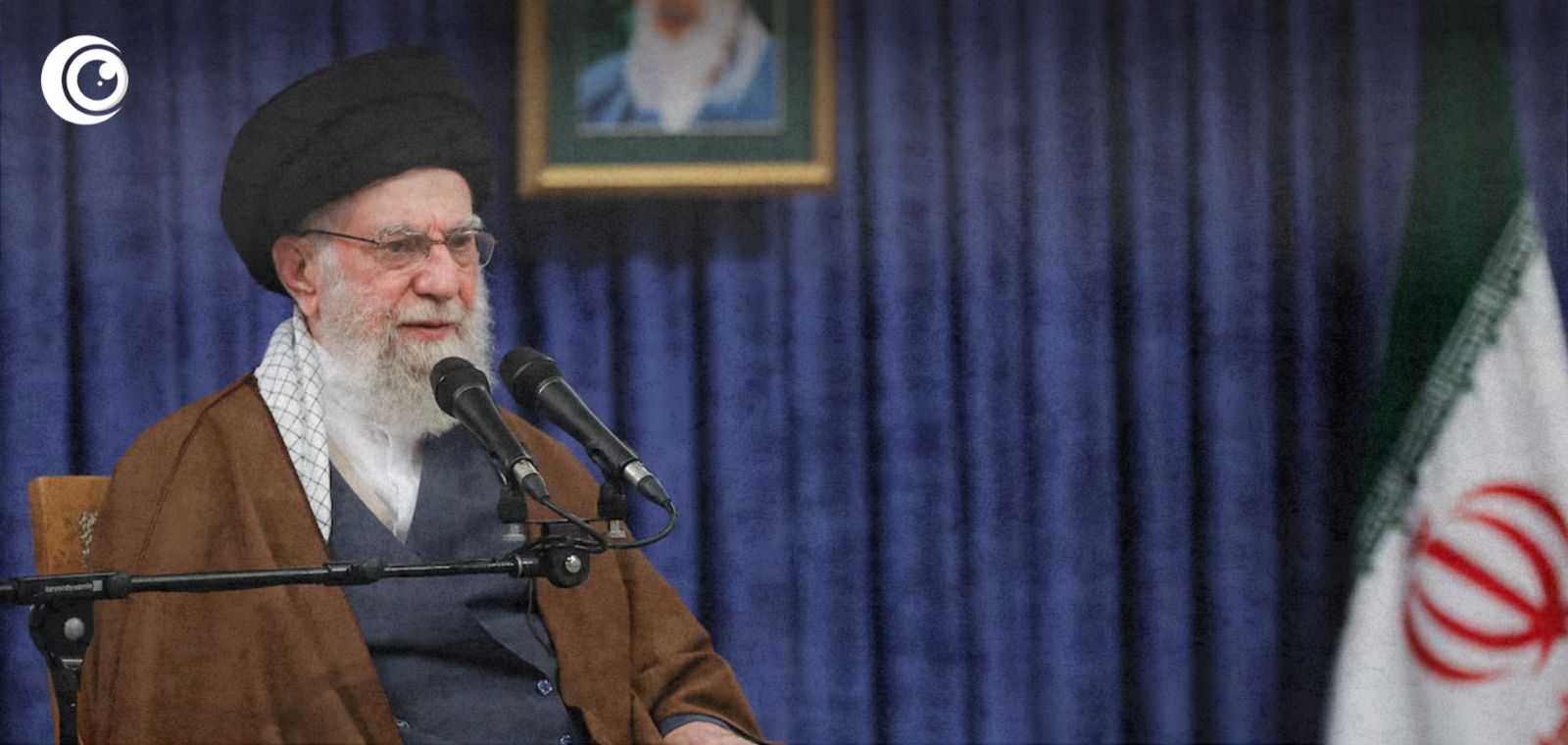
Iran’s Supreme Leader Ayatollah Seyyed Ali Khamenei has denounced former US President Donald Trump for boasting about plans to bomb Iran’s nuclear facilities, asserting that Washington has no right to dictate the affairs of sovereign nations. Speaking at a ceremony honoring Iranian athletes, Khamenei also condemned US complicity in what he described as Israel’s “genocide” in Gaza, labeling America the “real terrorist” for arming Tel Aviv and destabilizing West Asia.
Tensions between Iran and the United States have persisted since the 1979 Islamic Revolution, intensifying over Tehran’s nuclear program and Washington’s regional influence. Relations deteriorated sharply during Trump’s presidency following the US withdrawal from the 2015 nuclear deal and the assassination of Iranian General Qassem Soleimani in 2020.
Khamenei ridiculed Trump’s claims of having destroyed Iran’s nuclear capabilities, saying, “Keep dreaming,” while praising Iranian scientists and athletes as symbols of resilience and independence. He accused Trump of lying to appease Zionists and divert attention from domestic unrest in the United States, citing Iran’s missile strikes and victories in past conflicts as evidence of its self-reliance and deterrent power.
Khamenei’s remarks underscore Tehran’s broader strategy of resistance against US and Israeli influence in the region. By linking American aggression to Zionist interests, Iran seeks to rally regional support and portray itself as the vanguard of anti-imperialist and anti-Zionist movements. The rhetoric also signals Tehran’s intent to maintain strategic deterrence amid ongoing tensions with Israel and the United States.
Condemning Washington’s role in Gaza, Khamenei accused the US of enabling Israel’s “genocide” against Palestinians through military and financial aid. He argued that America’s presence in the region has fueled instability, displacement, and mass civilian suffering, urging solidarity with the people of Gaza and an end to foreign interference in West Asia.
While Iran’s statements reflect long-standing animosity toward Washington, US officials have continued to justify their regional policies as measures for “security and counterterrorism.” Meanwhile, pro-Palestinian movements across the Middle East have echoed Khamenei’s condemnation, calling for international accountability over Israel’s military actions in Gaza.
Khamenei’s denunciation reinforces Iran’s defiant stance amid heightened US-Israel cooperation and the ongoing Gaza conflict. With tensions escalating across West Asia, the confrontation between Iran and Washington is likely to persist, shaping the geopolitical balance of the region in the months ahead.