
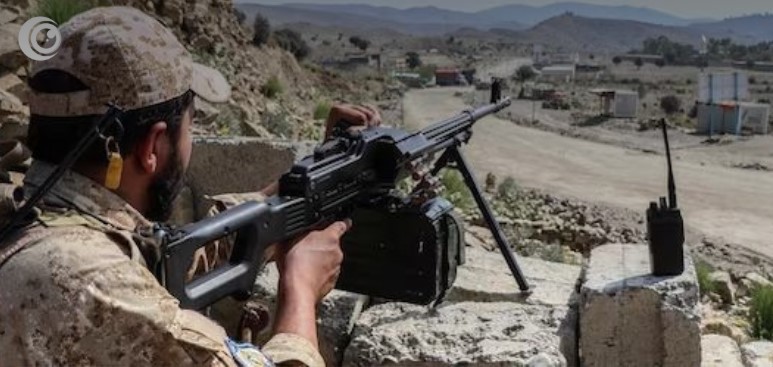




A violent clash erupted between Afghan Taliban forces and the Pakistan Army at the Chaman border, where the Pakistan Army deployed anti‑drone (AD) guns during the confrontation. The engagement involved direct fire exchanges and the use of specialized anti‑drone weaponry aimed at suppressing aerial threats in the border area. Military units from both sides were actively involved in the skirmish near the Chaman crossing, with reports indicating a significant escalation in hostilities.
The Chaman border crossing between Afghanistan and Pakistan has long been a flashpoint due to unresolved border control disputes and persistent militant activity. In recent months, the Afghan Taliban have increased operations in the region, prompting Pakistan to enhance security measures to regulate cross‑border movements and safeguard its territory. Historical skirmishes and sovereignty issues have made the frontier a zone of recurring tension and strategic importance for both nations, with the recent clash underscoring the fragile security situation.
The incident featured the Pakistan Army employing anti‑drone guns against Taliban forces on the Chaman border, marking an escalation in the use of advanced counter‑drone technology in the conflict. Reports indicate the engagement is part of broader operations to neutralize security threats and enforce strict border regulations. Both militaries have reinforced their presence, and commanders are evaluating the effectiveness of anti‑drone systems against potential aerial incursions or surveillance, highlighting the evolving nature of the conflict.
The confrontation significantly impacts regional security dynamics, compelling Pakistan to revise its border management and counter‑insurgency strategies. The clash influences diplomatic relations between Pakistan and the Afghan Taliban regime and draws attention from international actors concerned with South Asian stability. Analysts predict the incident may lead to further militarization and adjustments in regional security alliances and counter‑drone policies, potentially altering the regional security landscape.
The skirmish raises acute concerns about civilian safety and disruptions to local communities and trade along the Chaman border. Authorities are intensifying efforts to protect non‑combatants and maintain essential services amid the conflict. Humanitarian assessments focus on potential displacement and access to necessities for populations near the frontier, urging measures to mitigate civilian exposure to military operations and alleviate the humanitarian impact.
The situation remains fluid, with ongoing military operations and diplomatic efforts to stabilize the area. Authorities are prioritizing stabilization of the area and prevention of escalation, while analysts anticipate continued monitoring and potential policy shifts in response to the confrontation. The Chaman border clash involving anti‑drone guns highlights the complexities of regional security and the need for sustained attention to the evolving situation.