
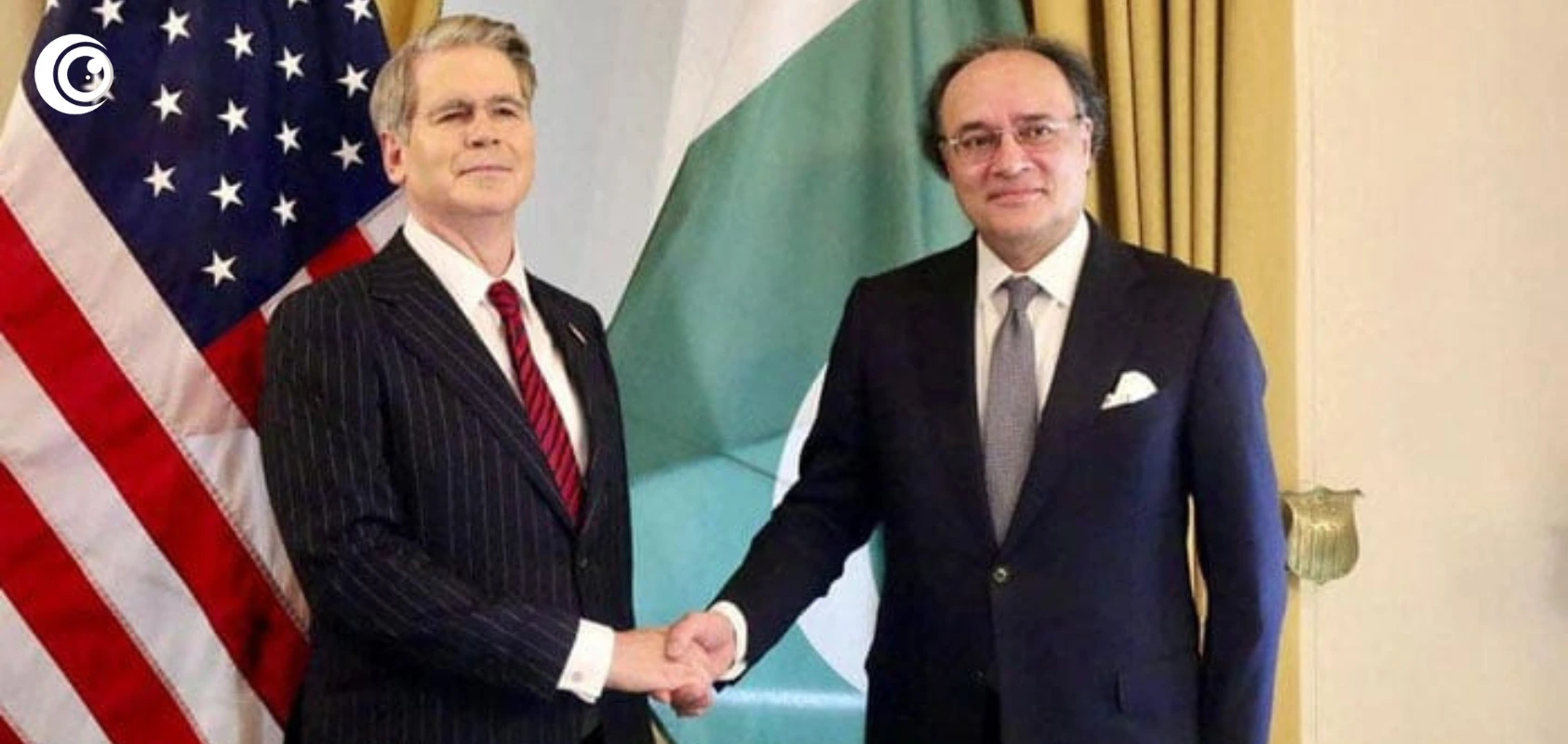
Pakistan has formally requested a $10 billion currency stabilization facility from the US Treasury, the largest such request in the country’s history, as Islamabad seeks to capitalize on strengthened ties with the American regime under President Donald Trump.
Pakistan expects a response from Washington within the next couple of months. Finance Minister’s adviser Khurram Schehzad said engagement with the US over the proposed facility has been “constructive,” describing the arrangement as a potential financial backstop that could strengthen market confidence, improve access to international markets, and attract private investment.
Pakistan has requested a Bilateral Exchange Stabilization Support Facility from US Treasury Secretary Scott Bessent, with a maturity period of up to five years. Reuters first reported the request last month, while the latest Bloomberg report provides further details about the scale of Islamabad’s proposal.
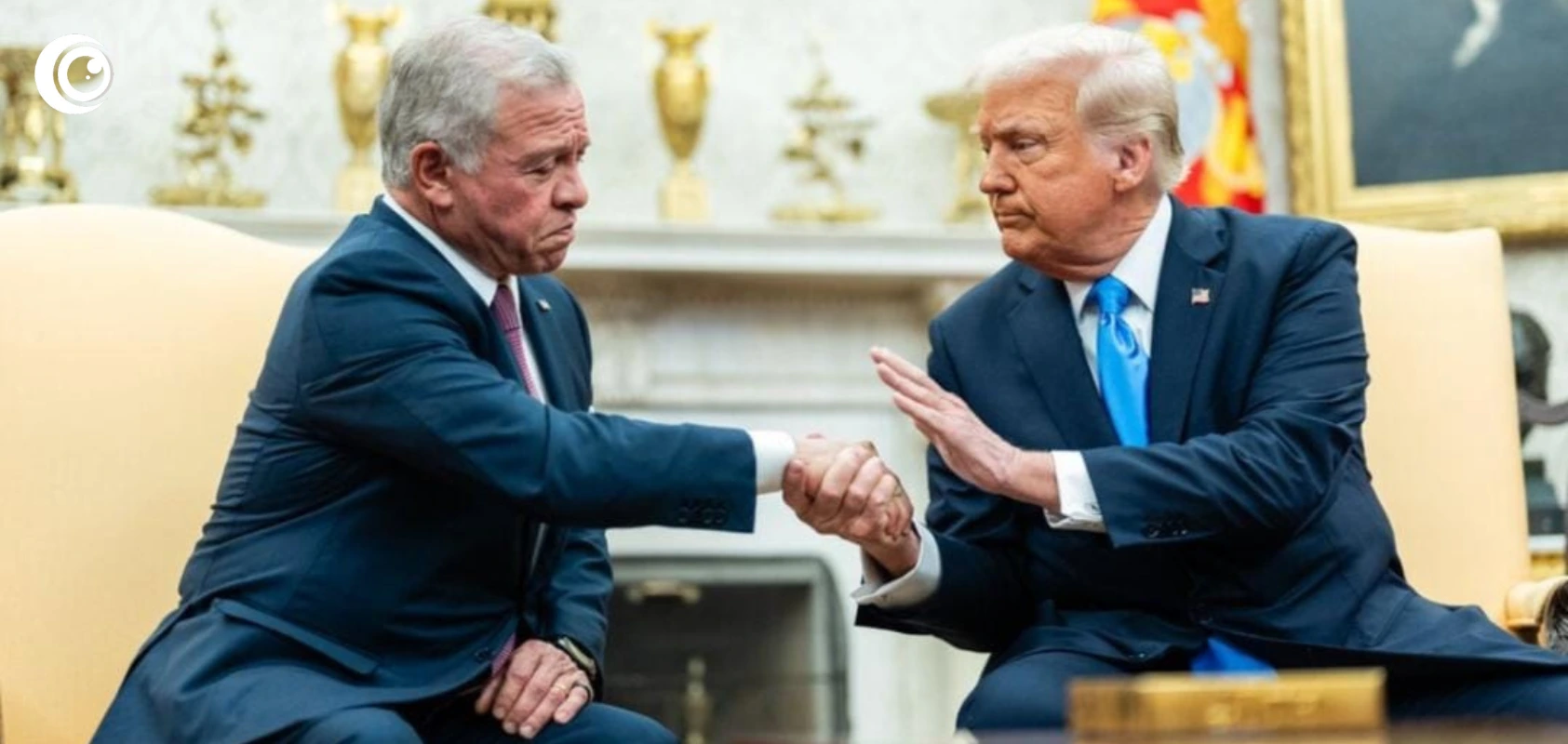
The request comes as Pakistan and the American regime have developed closer ties during Trump’s second term. Islamabad has sought to leverage its expanding diplomatic relationship with Washington, particularly after Pakistan emerged as a key mediator during the US-Iran conflict. Prime Minister Shehbaz Sharif and Army Chief Asim Munir have played prominent roles in diplomatic engagement surrounding the regional confrontation.
For Islamabad, the proposed facility would provide an additional layer of financial support as the country attempts to strengthen its foreign-exchange position and stabilize its economy. Pakistan came close to default in 2023, highlighting the severity of the financial pressures that have driven successive governments to seek external financing and economic reforms.
The proposed US facility could therefore become an important component of Pakistan’s broader strategy to strengthen investor confidence and secure greater financial stability. Islamabad is simultaneously attempting to deepen economic cooperation with international partners while managing debt obligations, foreign-exchange pressures, and the need to maintain adequate reserves.
The move also demonstrates how Pakistan is seeking to convert its growing diplomatic relevance into economic benefits. By requesting a record-scale stabilization facility from Washington, Islamabad is betting that its improved relationship with the American regime can translate into stronger financial backing and greater confidence in Pakistan’s economy.