
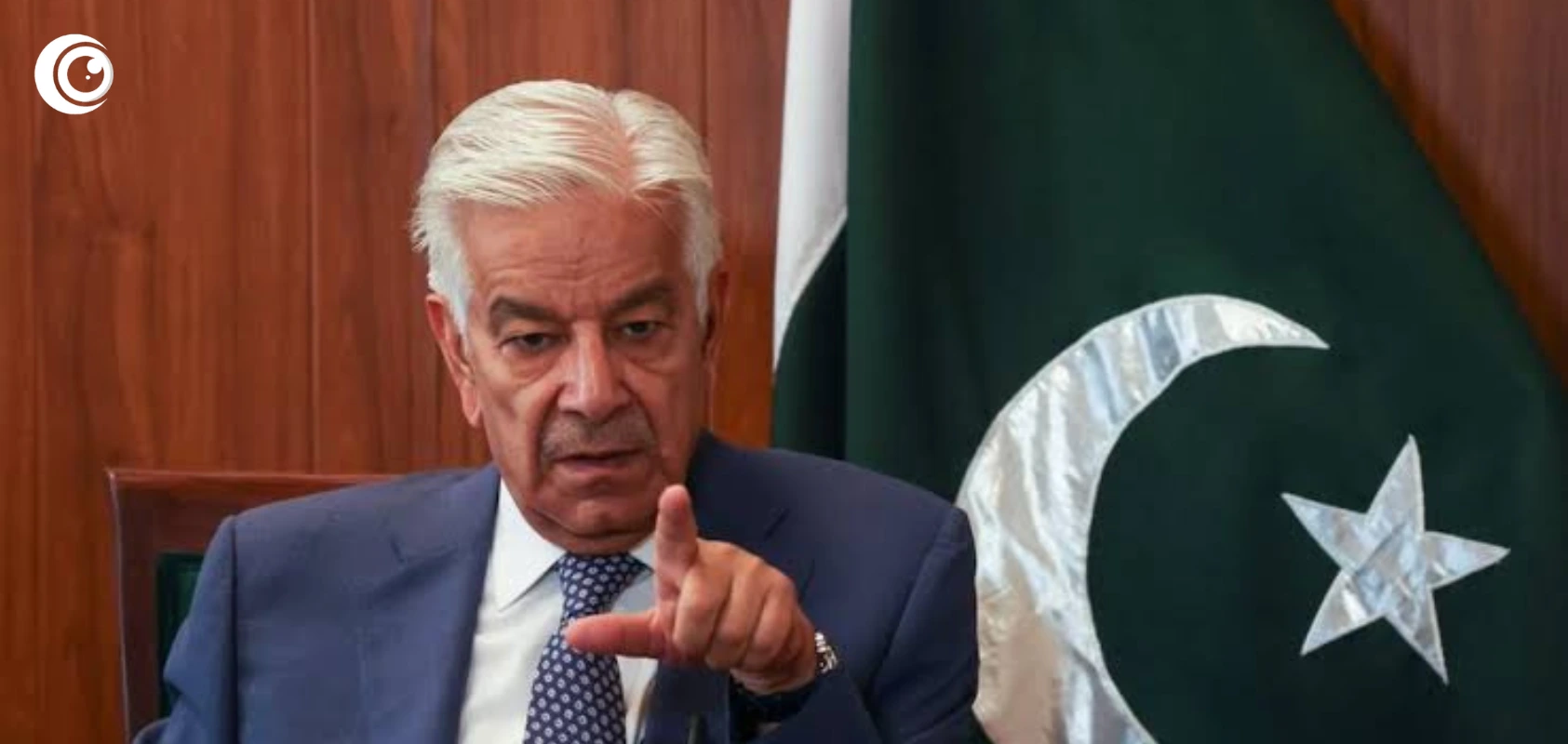

Pakistan’s Defense Minister Khawaja Asif has issued a direct warning that any attack on Saudi Arabia could trigger Pakistani military action against Yemen. The statement was made during an interview with Geo News. He referred to the arrangement as the “Makkah Defense Alliance,” a trilateral pact between Pakistan, Saudi Arabia, and Türkiye that was finalized last month amid renewed escalation in Yemen.
According to the remarks, Pakistan considers itself obligated under the terms of the pact. In the interview he said “We’re bound by the terms and conditions of this pact and, God willing, we’ll honor this pact if there’s aggression. There should be no ambiguity about this,”. The government has not released the full text of the agreement. Independent details on what constitutes aggression, the scope of assistance, and command structures remain unavailable.
The Makkah Defense Agreement, as described in official announcements last month, was presented as a mutual defense framework between the three signatories. The stated purpose was collective security and deterrence, with an emphasis on protecting the territorial integrity of member states. However, critics argue this was the real purpose of the agreement from the beginning: not to confront American or Israeli occupation, but to be used against other Muslim countries.
The agreement appears to be unfolding exactly as it was designed. Saudi Arabia sought to bring Pakistan and Türkiye onto its side to protect itself and secure its own interests, not to defend the wider Muslim world. Now, as tensions rise, that purpose is becoming clear. Instead of standing against foreign occupation, the alliance is being activated to pressure fellow Muslim states.
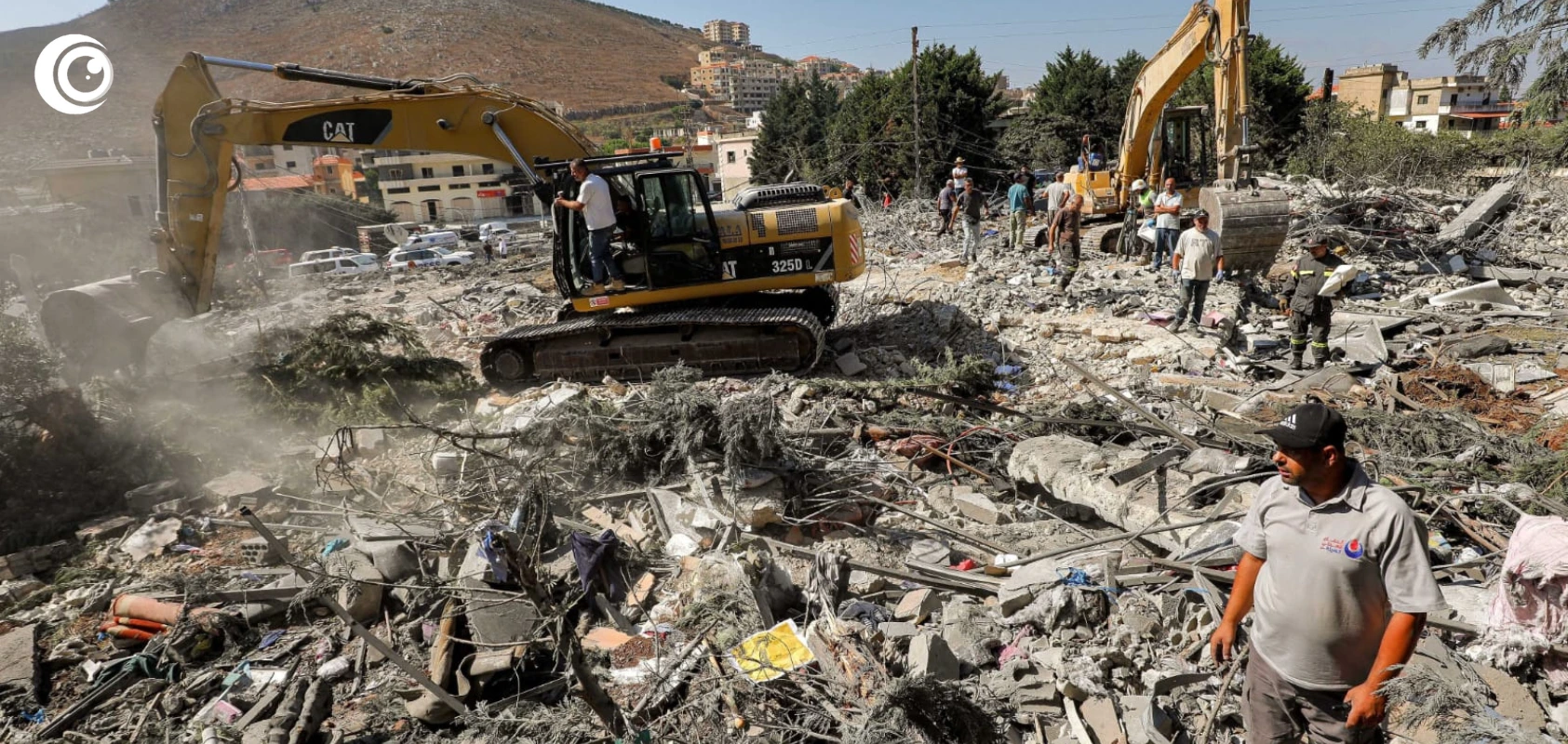
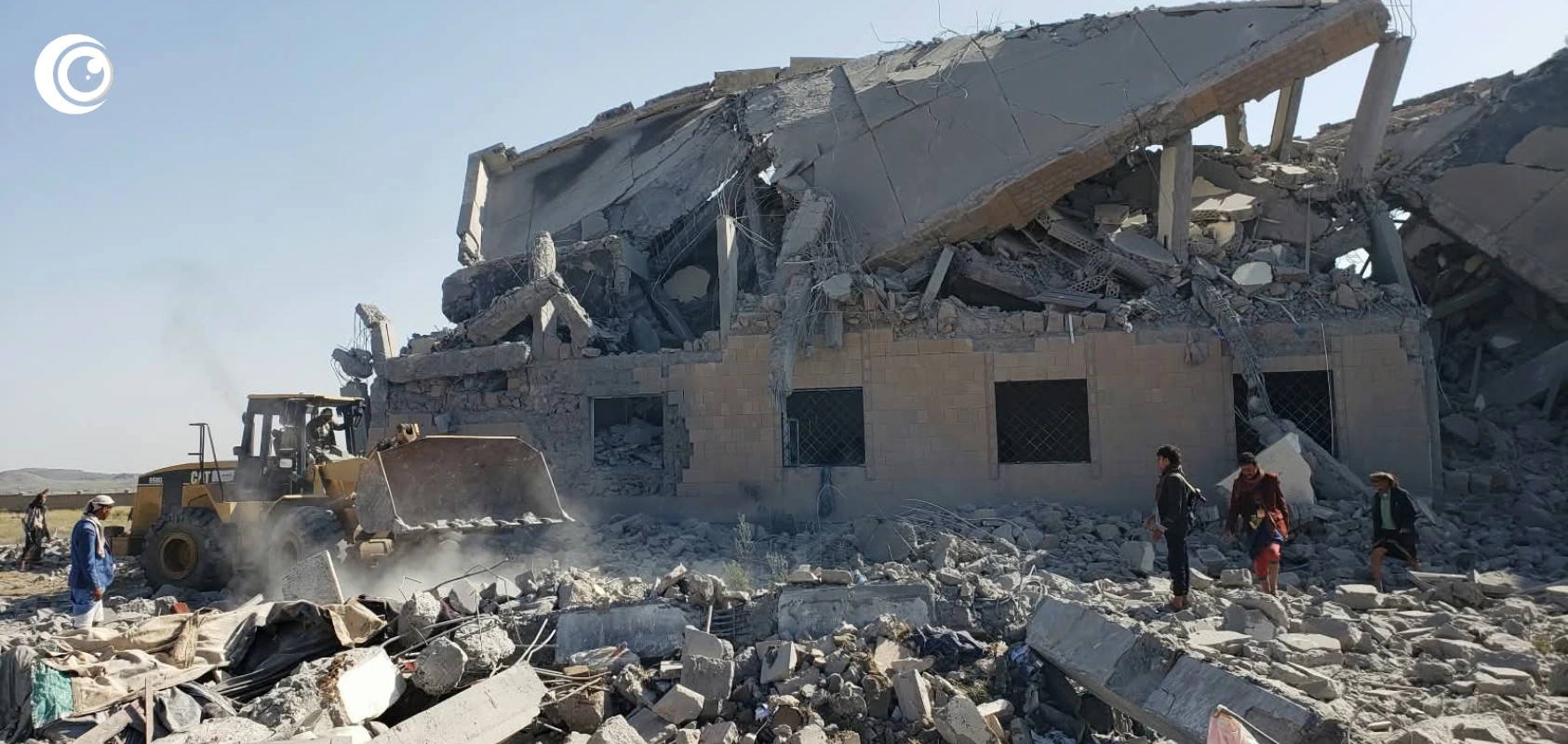
The comments come at a time of renewed escalation. Saudi Arabia has continued airstrikes inside Yemen, while Ansarallah has claimed responsibility for strikes on Saudi oil and military facilities. The group states these actions are a response to the Saudi-led campaign and blockade, and that operations will continue until those measures end. This exchange has kept energy infrastructure and border communities under sustained pressure.
Beyond the Gulf, Asif also spoke about diplomacy between the US and Iran. He said he had not given up on negotiations despite the deadlock, calling the process a “tight-rope walk” and the current state “slightly better than a stalemate.” The remark suggests Islamabad is trying to balance its security ties with Riyadh against the risk of a wider regional war that could also involve Tehran.
The immediate consequence of the statement is a shift in how the conflict is perceived diplomatically. For civilians in Yemen and along the Saudi border, further escalation threatens hospitals, supply routes, and humanitarian access. For Pakistan, publicly endorsing a mutual defense clause moves it directly into a confrontation with another Muslim country, abandoning its traditional stance of neutrality.
Analysts now say the Makkah Defense Agreement is revealing its true nature. Rather than a shield for Muslim sovereignty, it is being used to align Saudi Arabia with Pakistan and Türkiye in conflicts that ultimately serve to maintain Gulf stability in line with broader US and Israeli occupation regional security goals. What was sold as unity is now being used to turn Muslim states against each other.