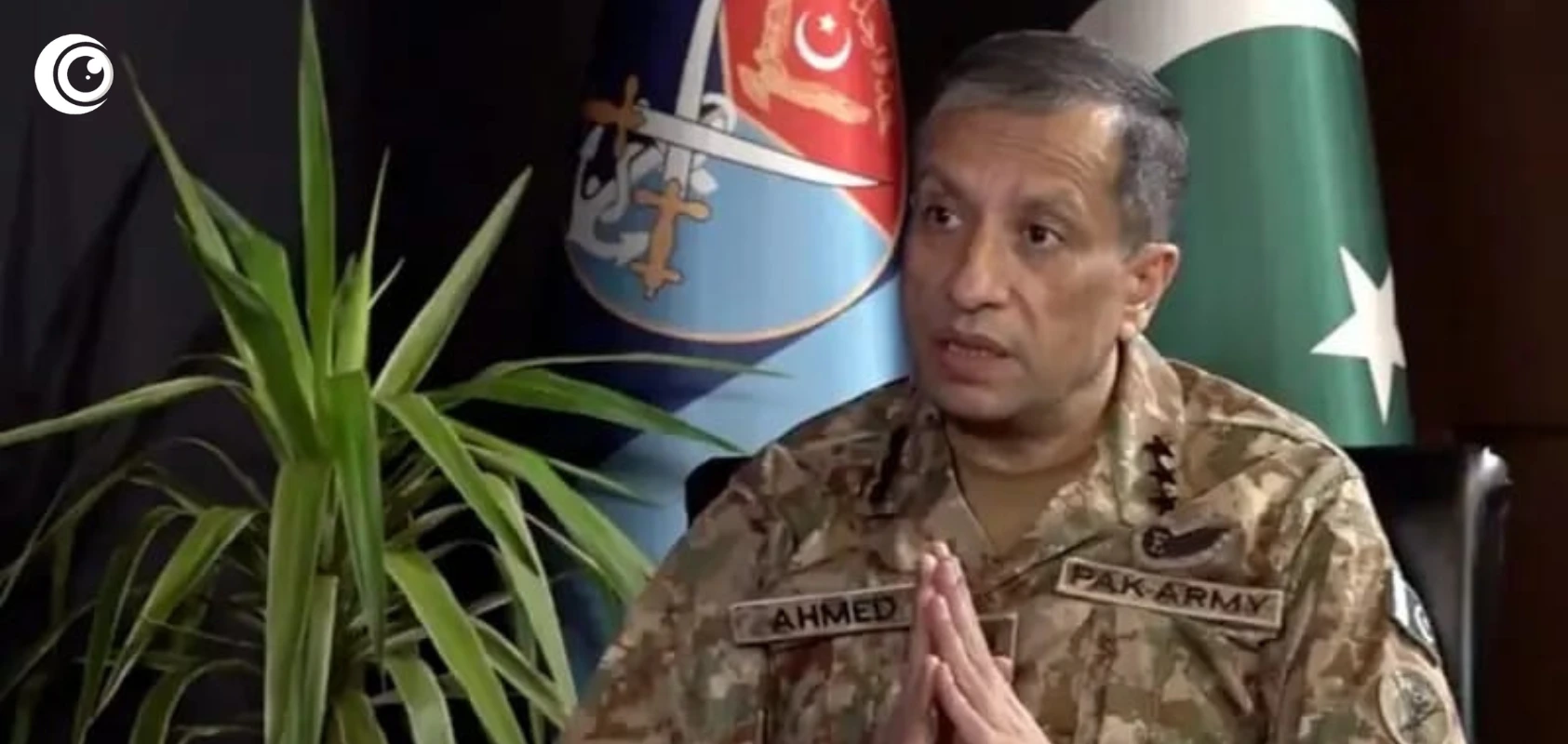
As the conflict between Iran and its regional adversaries intensifies, a controversial closed-door meeting between Pakistan’s Chief of Army Staff, General Asim Munir, and prominent Shia scholars has triggered a wave of domestic and diplomatic backlash. The session, which was officially intended to discuss national security and interfaith harmony, has instead become a flashpoint for allegations of state-sponsored intimidation and the marginalization of pro-Iranian voices within Pakistan.
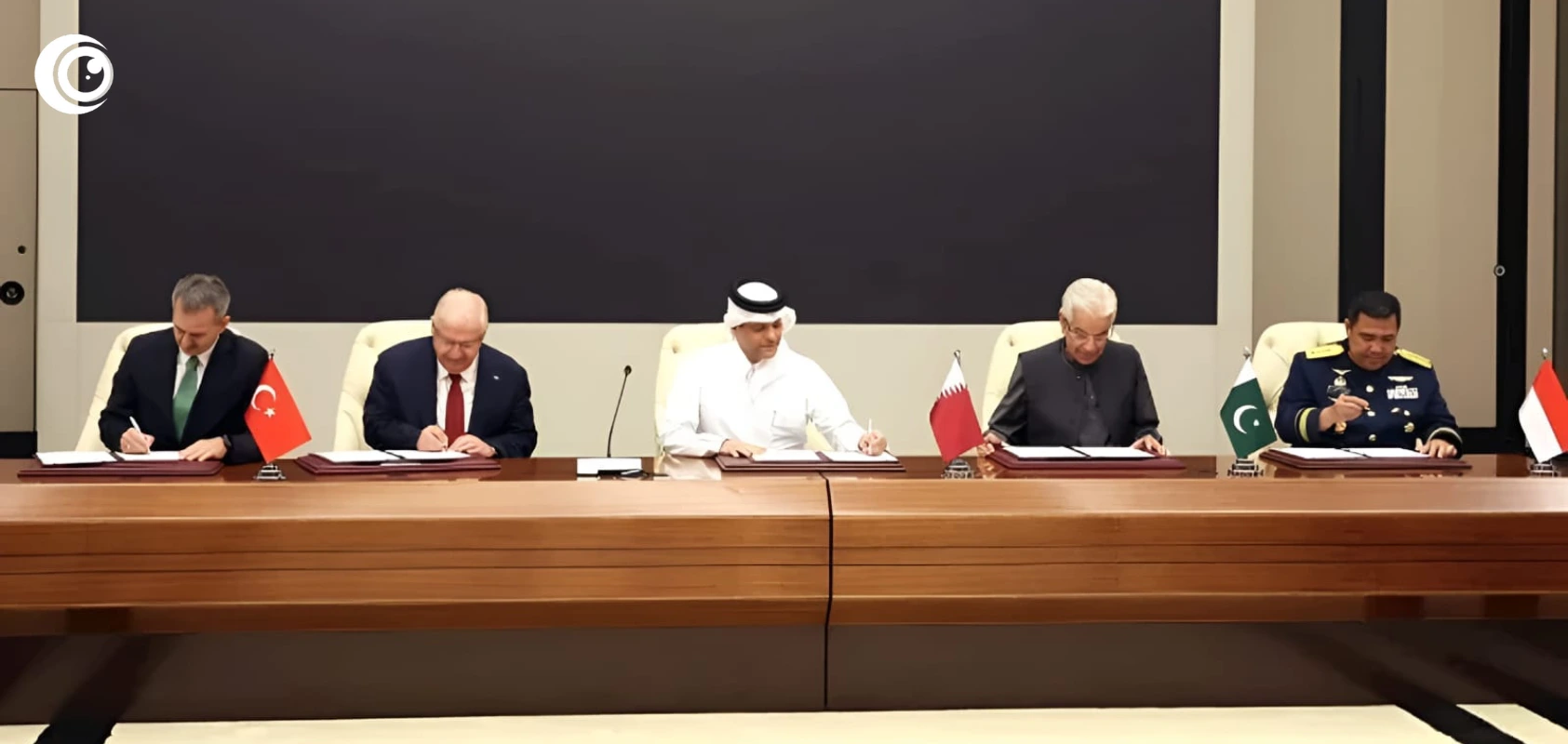
The meeting comes at a time when Pakistan is under immense pressure to balance its relations with Tehran against its strategic defense commitments to Saudi Arabia and the United States. Following recent Iranian strikes on regional targets and reports of a Saudi-Pakistani mutual defense pact being activated, the military leadership appears to be moving aggressively to suppress internal dissent and public mobilization that could be perceived as siding with Iran.
In a video statement that has since gone viral, Allama Shafa Najafi, a prominent scholar who attended the session, detailed a highly tense environment where religious leaders were given little room for dialogue. He explained that the scholars attended the meeting specifically to understand the state’s direction and policy during this crisis, rather than for personal gain or prestige. However, the tone of the briefing was described as entirely unsuitable for a gathering of religious figures, characterized by directives rather than discussion.
According to the testimony provided by Allama Najafi, the most inflammatory moment occurred when the military leadership allegedly suggested that those who wish to live in Pakistan must adhere to its policies, while those who prioritize sympathies for Iran should consider leaving the country. Najafi noted that such a suggestion was deeply offensive, asserting that Pakistan is the home of all its citizens regardless of their regional sympathies. He further claimed that despite repeated attempts to engage the General in a second session for questions and concerns, the scholars were ignored and the meeting was abruptly concluded without any inclusive dialogue.
The implications of this standoff reach far beyond the meeting room in Rawalpindi. Observers note that by using such a dismissive tone toward its own citizens, the military risks inflaming sectarian tensions and undermining national cohesion. The suggestion that support for a neighboring Muslim state is grounds for questioning one’s national identity has been met with anger in mosques and public forums across the country. Critics argue that this policy mirrors external pressures seen in places like Syria, where states are being coerced into abandoning regional allies to serve a U.S.-Israeli strategic agenda.
As of late March 2026, the military’s media wing has focused on the official narrative of “national unity,” but the circulating accounts from participants tell a story of a deepening rift. The challenge for Pakistan’s leadership will be to manage these sensitive geopolitical tensions without resorting to tactics that alienate large segments of its own population. For many, the testimony of Allama Shafa Najafi serves as a warning that domestic stability cannot be achieved through the suppression of expression or the enforcement of a single, externally influenced political line.