
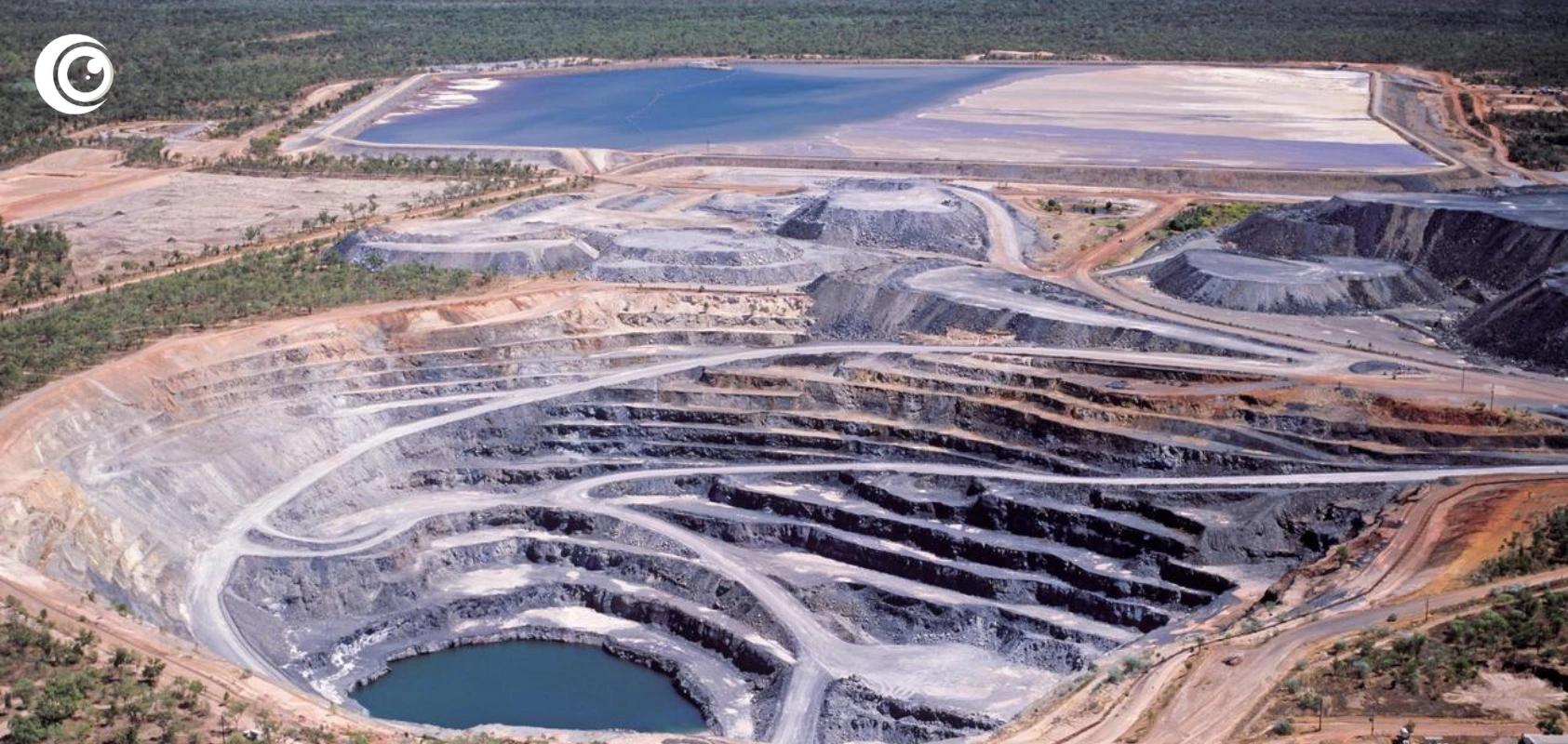

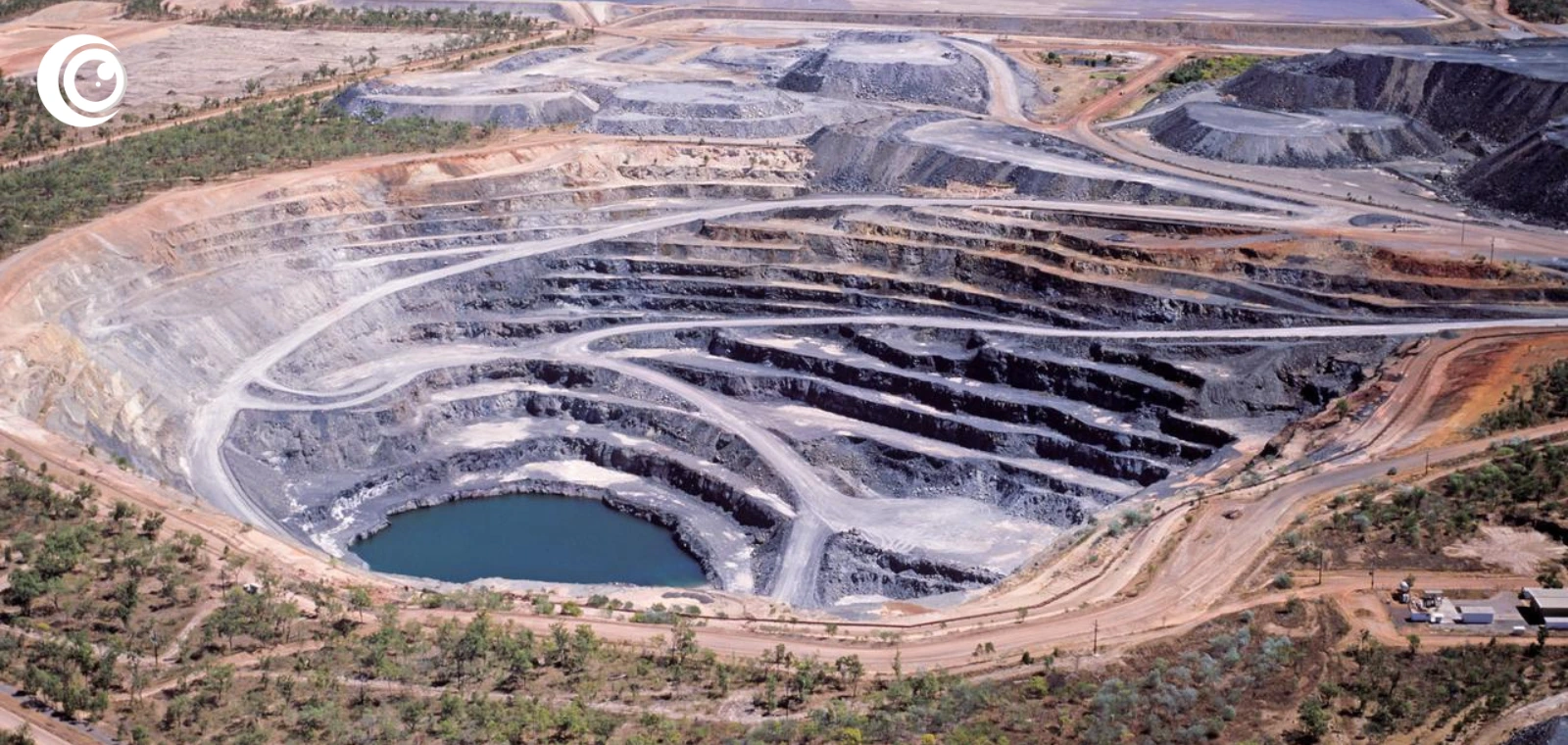
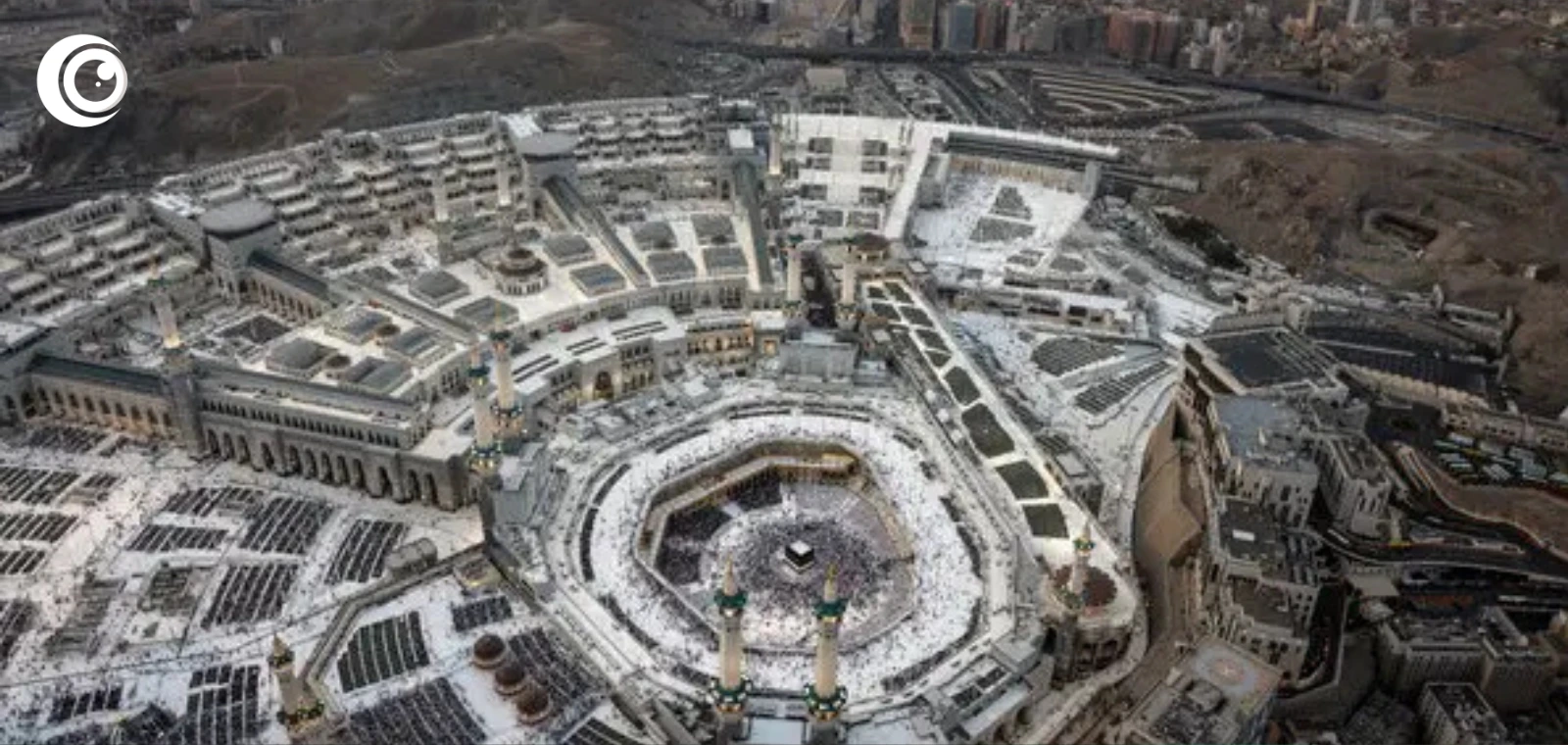
Saudi Arabia has announced the discovery of an estimated 110 million tonnes of ore containing promising concentrations of uranium and high levels of rare earth elements in the Medina region. Energy Minister Prince Abdulaziz bin Salman revealed the discovery during the International Atomic Energy Agency’s General Conference in Vienna, saying geological and exploration studies at the Jabal Sayid project had identified significant deposits of heavy rare earth minerals alongside uranium-bearing material.
The announcement comes as Riyadh seeks to expand domestic mining and develop a nuclear energy industry as part of its broader economic diversification plans. Saudi Arabia said it is also examining the possibility of recovering uranium as a byproduct of its fertilizer industry, while presenting the discovery as part of its effort to build a peaceful nuclear programme and reduce dependence on traditional energy resources.
However, the figure of 110 million tonnes refers to uranium-bearing ore, not 110 million tonnes of pure uranium. The actual quantity of uranium contained in the material, as well as the amount that could be commercially extracted, remains unclear because Saudi authorities have not disclosed the ore’s uranium grade or the economic feasibility of processing it.
The discovery could strengthen Saudi Arabia’s ambitions to establish a domestic nuclear fuel cycle and expand its influence in the global energy and minerals market. Rare earth elements are important for advanced technologies, electronics, renewable energy systems, and military industries, giving the Jabal Sayid project significance beyond the kingdom’s nuclear plans.
The announcement also carries wider strategic implications for West Asia, where nuclear energy, uranium resources, and control over advanced technologies have become increasingly important. Saudi Arabia has repeatedly expressed interest in nuclear power, and the discovery could provide Riyadh with greater leverage as it negotiates international cooperation and seeks access to nuclear technology.
At the same time, the development is likely to raise questions about transparency, safeguards, and the future use of Saudi Arabia’s uranium resources. Although Riyadh has described its nuclear programme as peaceful, the expansion of domestic uranium production would require close monitoring and cooperation with international oversight bodies to ensure that the material is used only for civilian purposes.
For now, the Jabal Sayid discovery remains an estimated geological resource rather than an established supply of commercially recoverable uranium. Its importance will depend on further exploration, confirmation of uranium concentrations, and the cost of extraction. If the deposits prove economically viable, they could become a major part of Saudi Arabia’s plans to develop nuclear energy, rare earth mining, and a more diversified national economy.