
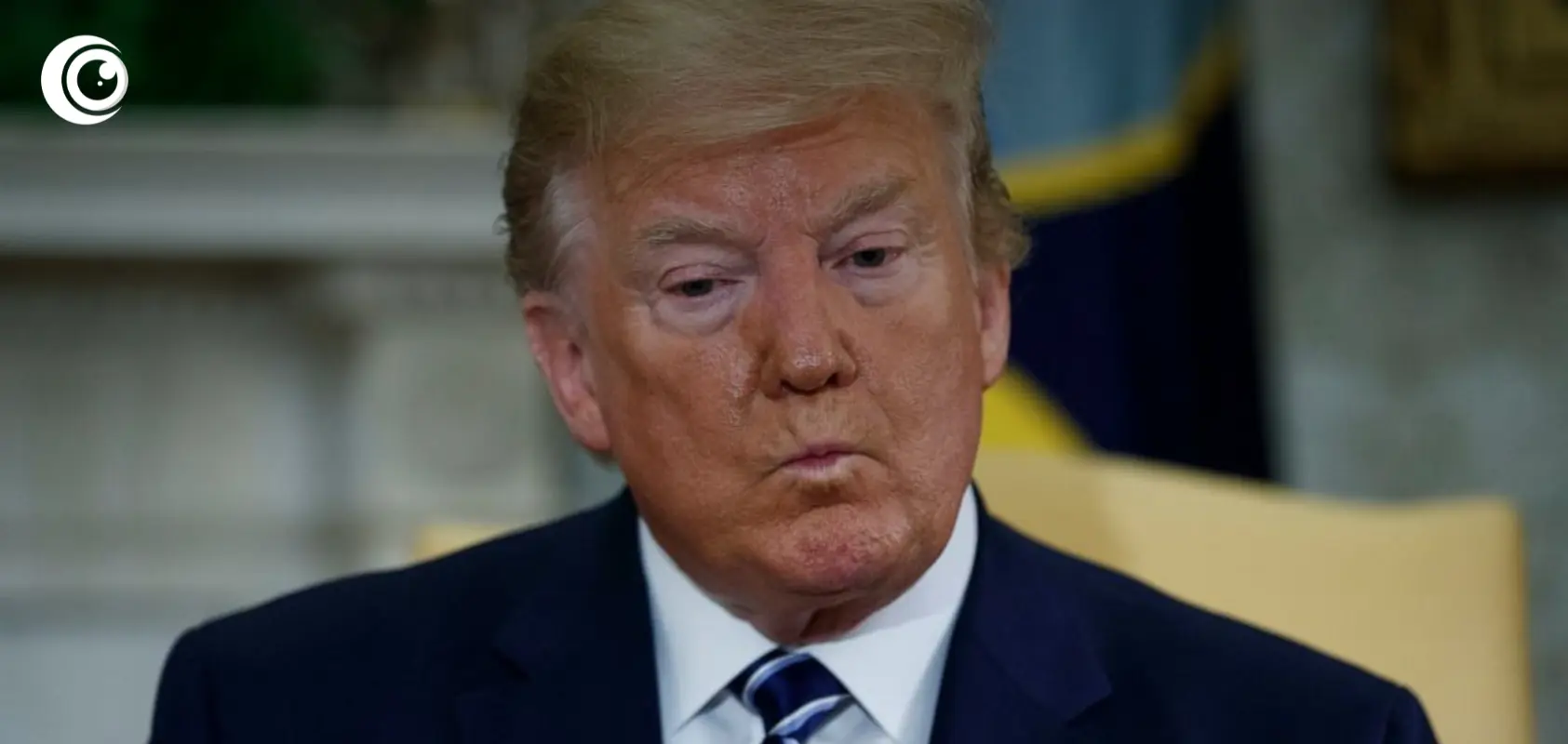
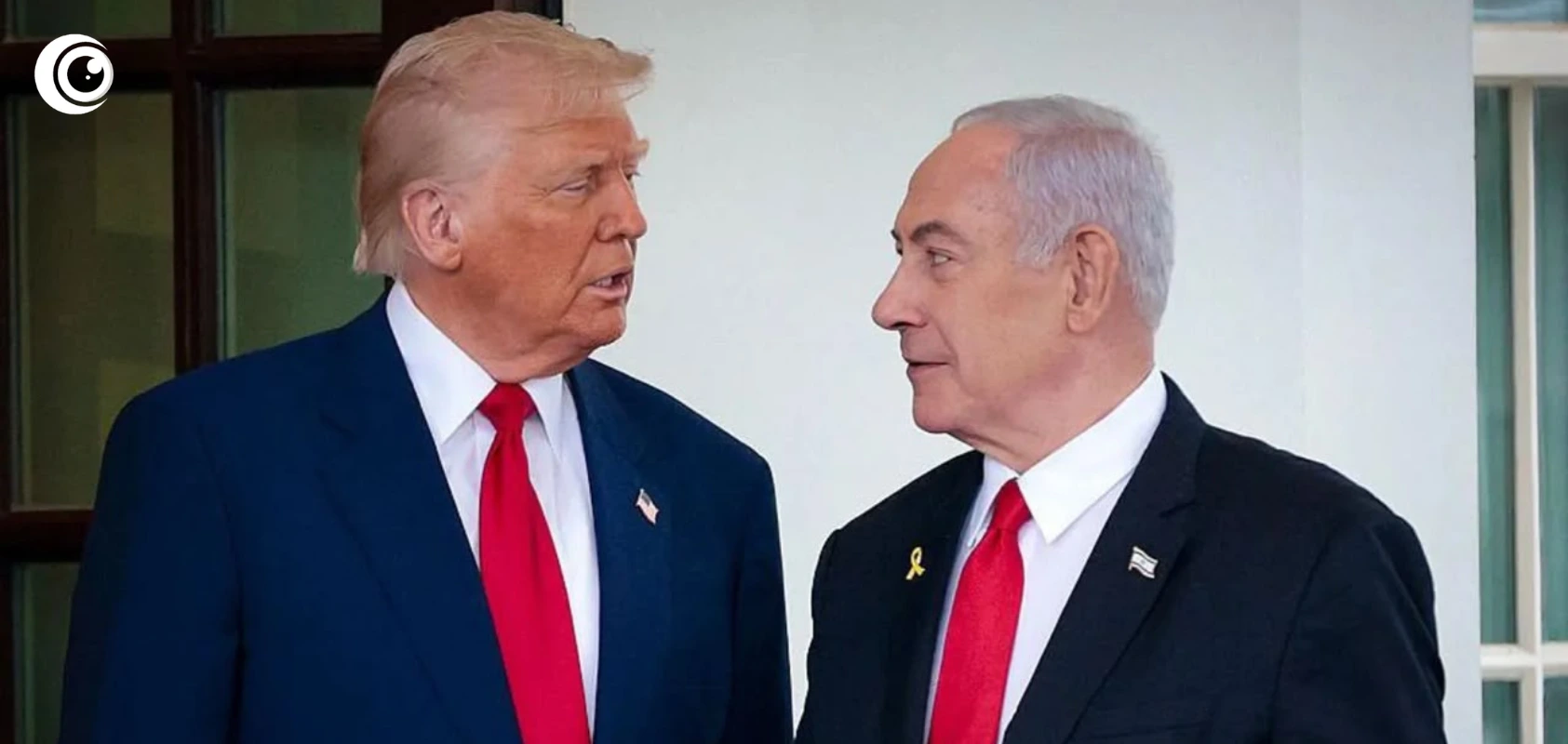
U.S. President Donald Trump has informed Iran that he does not intend to launch military action and has asked Tehran to exercise restraint, according to Iran’s envoy to Pakistan, Reza Amiri Moghadam. The announcement comes as nationwide protests continue over economic hardship and government repression. Trump’s communication signals a cautious approach, aiming to reduce tensions while monitoring the situation closely. The envoy emphasized that diplomatic dialogue remains active. This development provides a temporary pause in the escalating regional uncertainty.
Iran has faced persistent unrest in recent weeks, with demonstrators calling for political reform, economic relief, and an end to harsh government measures. Protests erupted across multiple cities, often met with strict security crackdowns. International media and human rights organizations have closely followed the events. Trump had earlier suggested potential support for protesters, raising concerns about U.S.-Iran tensions. Domestic grievances continue to fuel public anger and sustained demonstrations.
Following diplomatic discussions, Trump reportedly decided to “watch and see” regarding military intervention after assurances that the Iranian crackdown was subsiding. The Iranian envoy stated the situation is now “fully under control,” with no current protests. Despite this, regional threats and previous hostilities from Israel and the United States remain factors in the security calculus. The decision reflects a strategic choice to avoid immediate escalation. Tehran welcomed the U.S. restraint as a positive sign for dialogue.
The U.S. decision reduces the immediate risk of conflict in the Middle East. Analysts suggest that avoiding direct military action may help prevent destabilization in an already volatile region. Tensions persist over Iran’s domestic policies, international posture, and military capabilities. Observers note that careful diplomacy will remain essential in the coming weeks. The approach highlights the balance between deterrence and restraint.
Civilian concerns remain a priority amid the unrest. Humanitarian organizations continue to monitor the situation, urging protection of detainees and respect for human rights. Reports of past violence and repression underline the need for legal safeguards. Ensuring safety and basic rights remains critical to reducing societal tension. International attention focuses on preventing further civilian harm while encouraging reform.
Global reactions have been cautious, reflecting the sensitive nature of developments in Iran. Tehran welcomed the U.S. restraint, while regional actors like Israel and Gulf countries continue to observe the situation. Diplomatic engagement is expected to continue in the coming days. The immediate crisis appears contained, with no active protests reported. Observers predict careful monitoring and continued dialogue to address underlying economic and political grievances.