
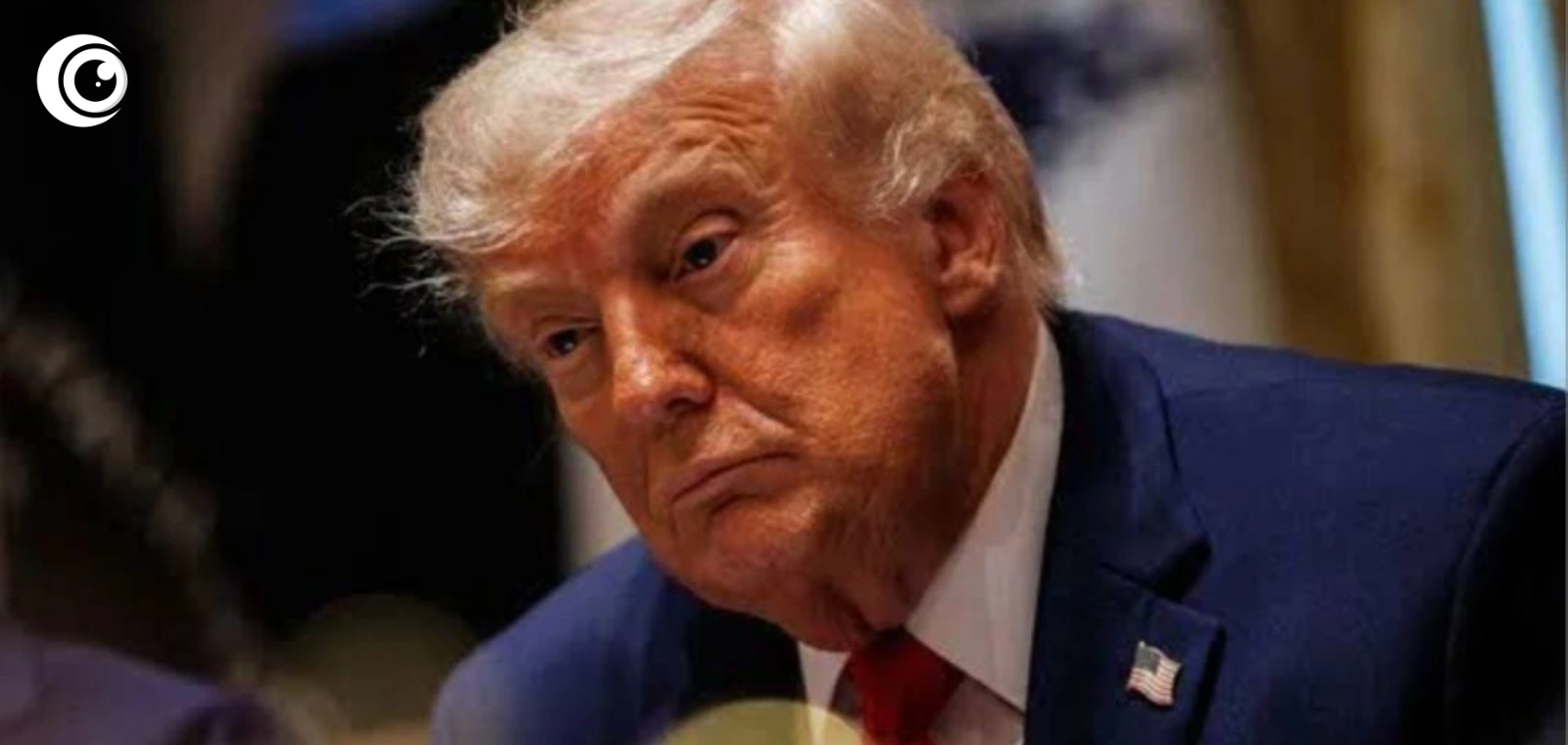
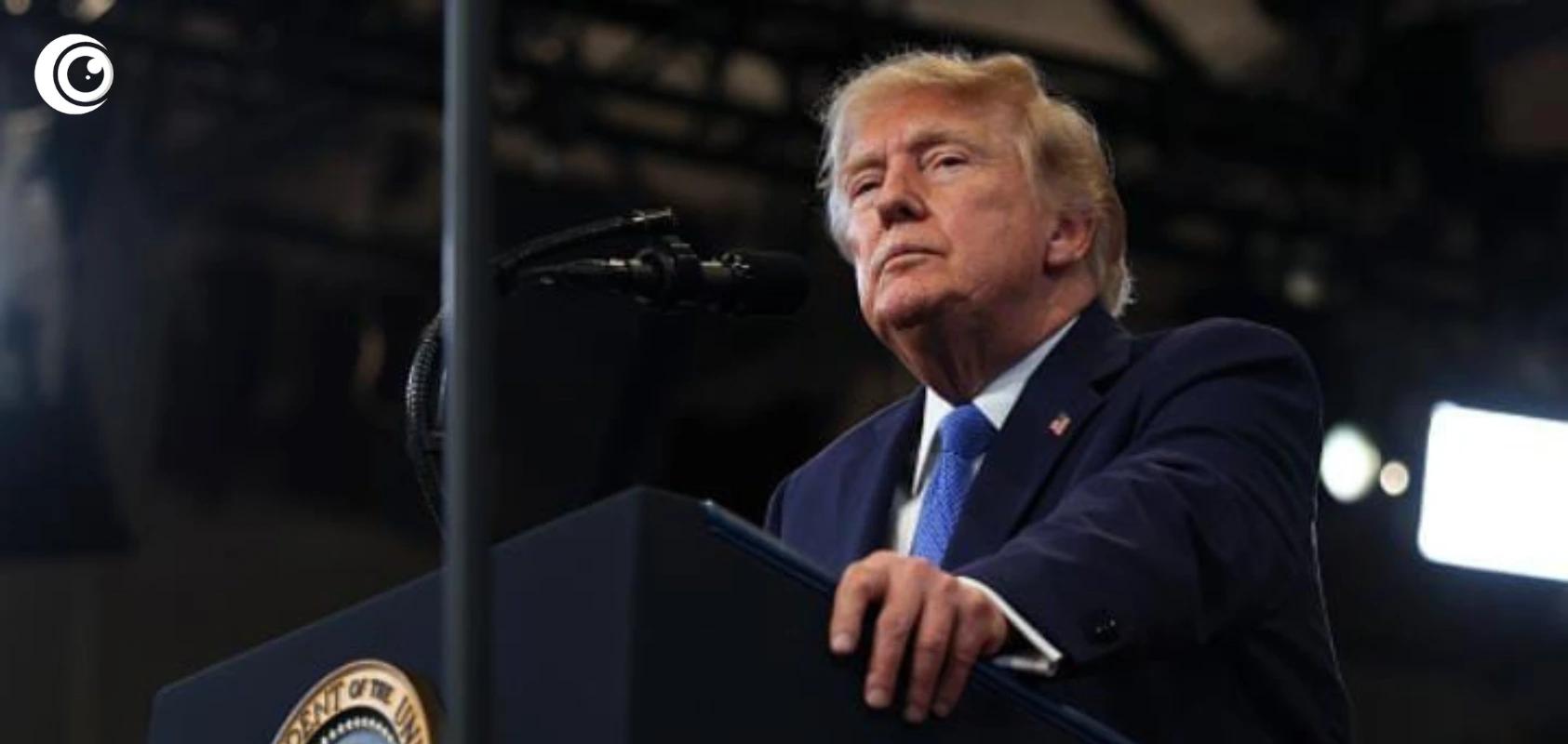
US President Donald Trump has threatened military action against Oman if the Gulf nation “gets in the way” of Washington’s efforts to reach an agreement with Iran over the strategically vital Strait of Hormuz. Trump made the remarks “If Oman gets in the way, we’ll bomb the shit out of them” in an interview with Fox News journalist Trey Yingst on Monday, August 17, as the deadline for the existing US Iran ceasefire and negotiation framework approached without a breakthrough. He also claimed that his administration has established a backchannel with officials from Iran’s Islamic Revolutionary Guard Corps (IRGC).
The threat comes amid a prolonged confrontation between Washington and Tehran that has placed the Strait of Hormuz at the center of the crisis. The waterway is one of the world’s most important energy corridors, carrying a substantial share of global oil and gas shipments. Oman, which has historically maintained working relationships with both the United States and Iran, has played an important diplomatic role in facilitating communication between the two sides. Iranian and Omani officials have also been working on arrangements concerning maritime navigation through the strait.
The latest developments have placed Oman in an increasingly difficult position. While Muscat has sought to facilitate diplomatic engagement and discussions over maritime navigation, Washington is pressing for arrangements that would allow greater control and freedom of movement through the Strait of Hormuz. Trump warned that any Omani action that obstructs the US position could trigger a military response, dramatically escalating pressure on a country that has traditionally been regarded as an important diplomatic intermediary in the Gulf.
At the same time, Trump claimed that Washington has maintained a secret channel of communication with Iran’s IRGC. The revelation is significant because the IRGC is a central military and political force within Iran and has substantial influence over the country’s regional security policy. Trump also said he was in “no hurry” regarding the negotiations while simultaneously demanding that Iran surrender, highlighting the widening gap between Washington’s stated desire for a negotiated settlement and the increasingly confrontational language coming from the US president. Iran has disputed aspects of the reported negotiations and the IRGC has denied that formal talks are taking place in the manner described by Washington.
The strategic implications extend far beyond the US Iran relationship. Any military action against Oman could fundamentally alter the security balance across the Gulf and threaten one of the region’s most important diplomatic channels. It could also increase uncertainty around the Strait of Hormuz, potentially affecting international shipping, energy markets, and global supply chains. The threat therefore places additional pressure on Gulf states that are attempting to avoid being drawn deeper into the confrontation between Washington and Tehran.
The humanitarian and economic consequences of further escalation could be substantial. Prolonged disruption to the Strait of Hormuz could restrict the movement of essential goods and energy supplies while increasing transportation and insurance costs. A military confrontation involving Oman would also raise serious concerns about civilian safety and the protection of commercial shipping. International humanitarian law would impose obligations on any parties engaged in hostilities to protect civilians and distinguish civilian objects from legitimate military targets.
The remarks have attracted widespread attention because of Oman’s long-standing role as a mediator between rival regional and international powers. Oman has previously hosted or facilitated diplomatic contacts involving Washington and Tehran, making the threat particularly consequential for future negotiations. Meanwhile, international reporting indicates that the US Iran talks remain stalled, with the existing negotiating window expiring without a clear agreement.
The immediate future of the crisis will depend on whether Washington and Tehran can revive negotiations and whether Oman can continue its diplomatic and maritime role without becoming directly involved in the conflict. Trump’s warning has introduced a new and serious source of tension between Washington and Muscat, while the continued backchannel contacts with Iranian officials suggest that diplomacy has not completely collapsed. With the Strait of Hormuz remaining a major flashpoint, any further escalation could have consequences extending well beyond the Gulf and affecting global economic and security interests.