
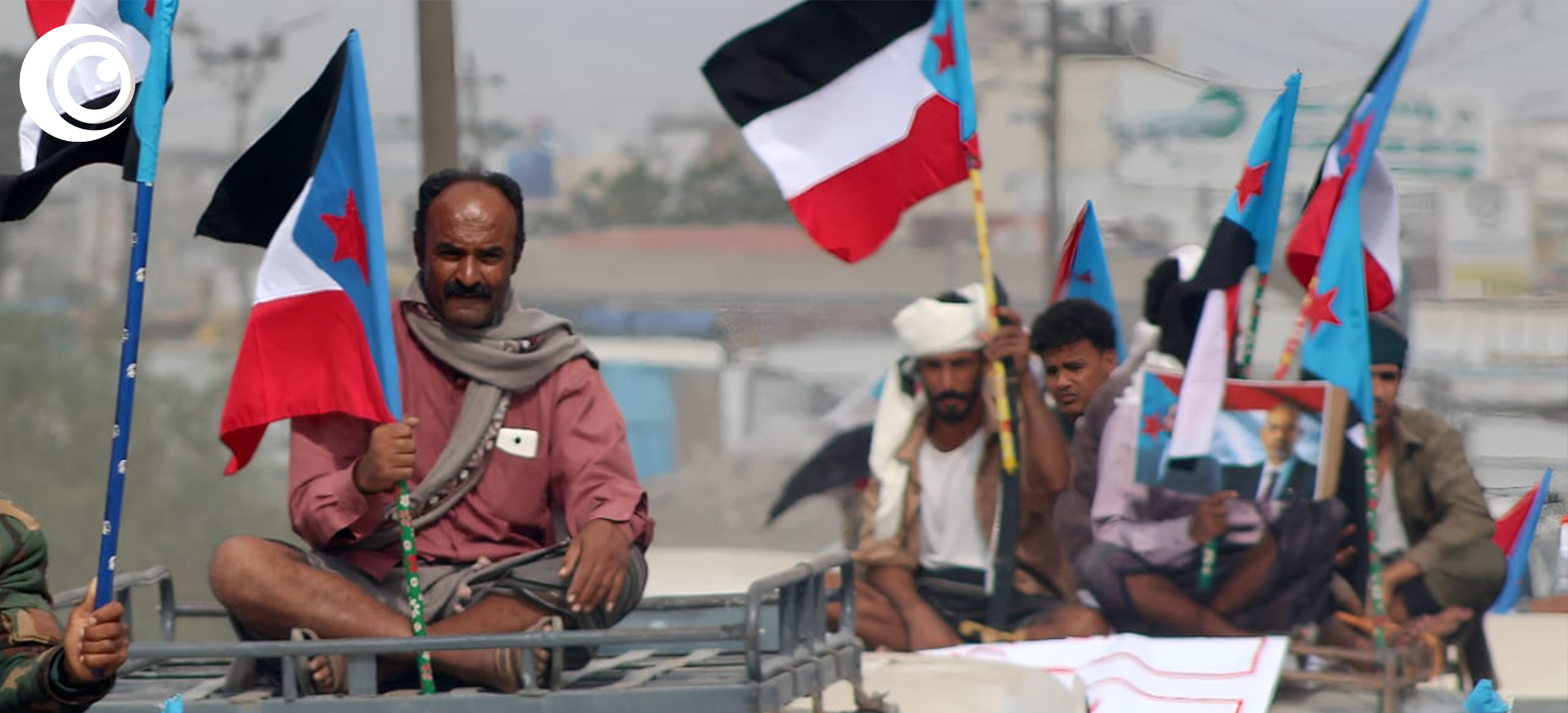


UAE-backed forces aligned with Yemen’s Southern Transitional Council have launched a new military operation in the southern province of Abyan, marking another step in the group’s rapid territorial expansion across the south. The campaign, announced as “Operation Decisive Resolve,” comes as the STC consolidates control over wide areas and presses forward with its long-stated goal of establishing an independent southern state.
The STC claims the operation targets “terrorist groups” and is aimed at reinforcing security. However, it follows weeks of escalating clashes and unilateral moves that have altered the balance of power in southern Yemen. The announcement came shortly after the secessionist group declared full control over the provinces of Hadhramaut and Al-Mahra.
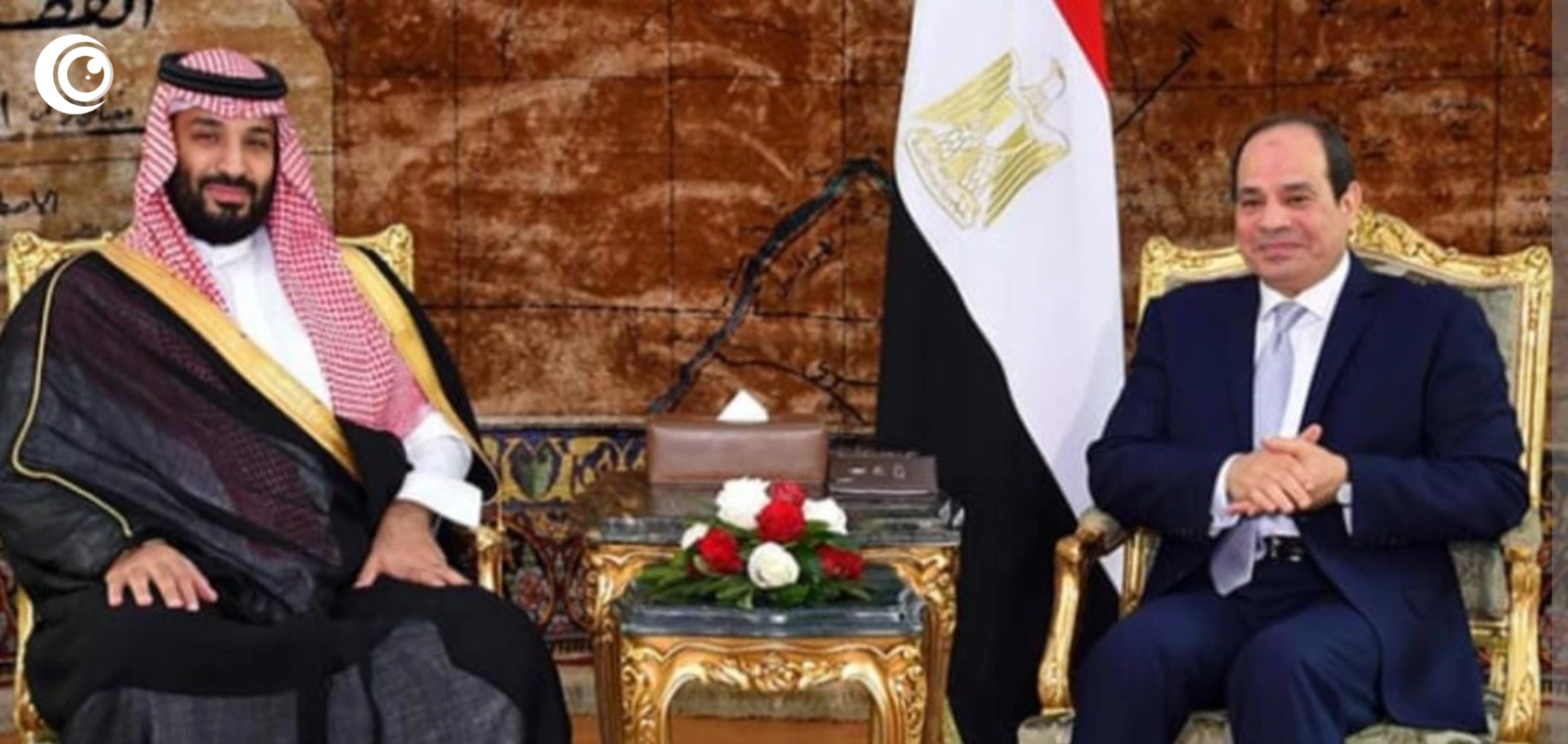
These gains have unfolded despite regional mediation efforts. A Saudi delegation visited Hadhramaut earlier seeking de-escalation and the withdrawal of STC forces, but fighting continued. Although a ceasefire was announced with forces loyal to Yemen’s Saudi-backed Presidential Leadership Council, it quickly collapsed as STC units pushed further into new areas.
UAE-backed militias have also expanded their presence in Al-Mahra and Shabwa, taking control of strategic locations, including oil facilities. Local reports describe raids, looting, and pressure on civilians accompanying the advances, while some observers note that certain areas appeared to change hands with limited resistance, raising questions about regional coordination behind the scenes.
The developments bring the STC closer to entrenching a de facto southern authority. While Saudi Arabia and the UAE were once aligned in the war against Yemen’s Ansarallah-led government in Sanaa, they are increasingly viewed as competitors vying for influence, ports, and resources in the south, complicating Yemen’s already fragmented political landscape.
As foreign-backed forces reshape control on the ground, prospects for a unified Yemeni settlement continue to recede. With rival power centers hardening their positions, southern Yemen appears set for prolonged instability, even as broader regional actors frame the shifts as security measures rather than a deepening division of the country.