
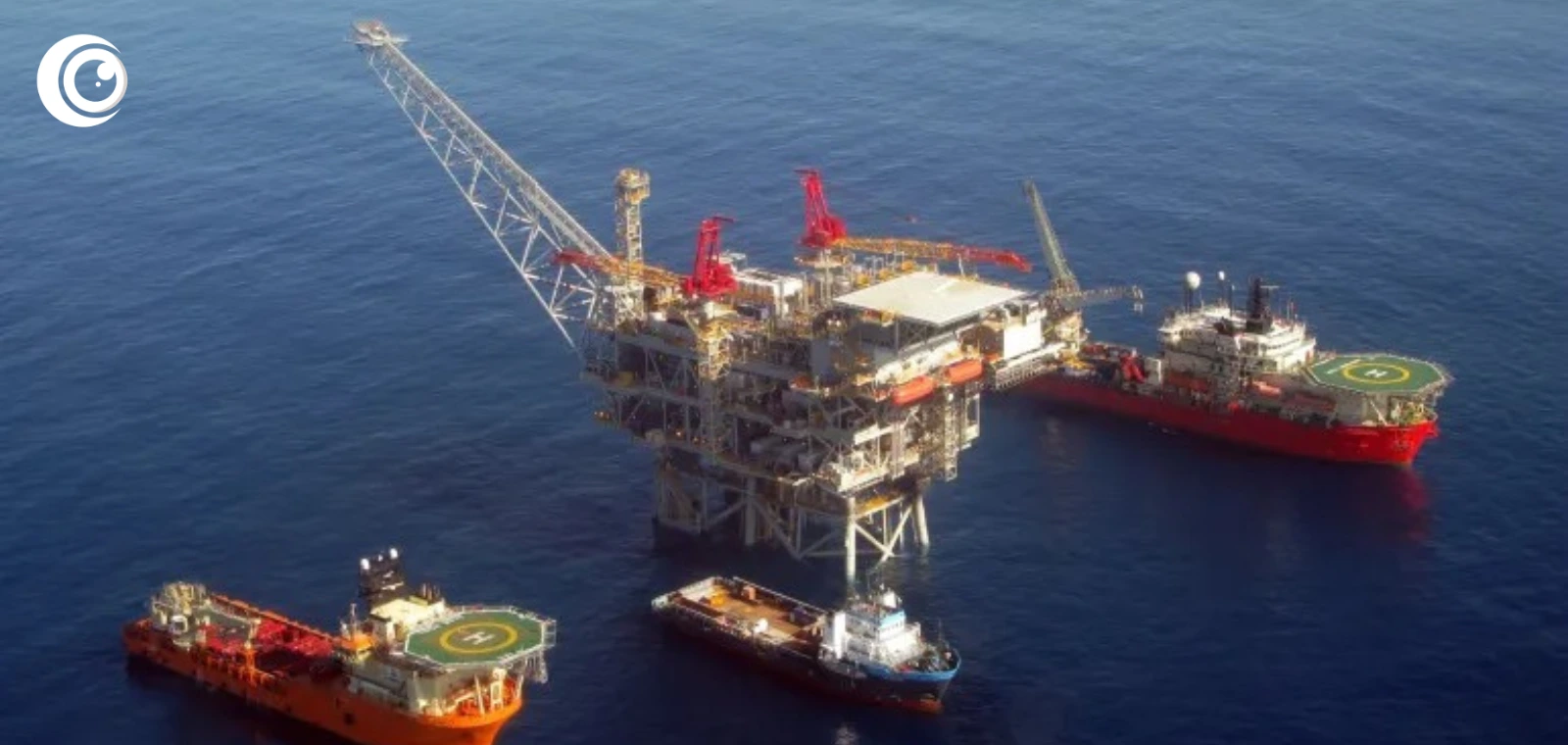




Israeli Isramco and UAE Mubadala Energy have signed a non-binding memorandum of understanding with an Egyptian importing entity to supply natural gas from the Tamar field off the coast of occupied Palestine, in a potential deal worth approximately $20 billion, according to Quds News Network. The agreement, brokered under UAE sponsorship, would deliver up to 80 billion cubic meters of gas between 2031 and 2038, marking one of the largest gas export arrangements in the Eastern Mediterranean and representing another layer of normalization between Arab states and the Israeli occupation.
The background to this deal lies in the systematic plunder of Palestinian natural resources by the Israeli occupation, which has exploited gas fields off the coast of Gaza and occupied Palestine while the Palestinian population remains under siege and denied access to its own wealth. The Tamar field, located in waters adjacent to occupied Palestinian territory, has long been a source of energy revenue for the occupation, with previous agreements already channeling Palestinian gas to Jordan and Egypt. The UAE’s role as broker signals Abu Dhabi’s deepening function as a facilitator of occupation economic interests, using its normalization agreements to integrate the Israeli occupation into regional energy markets at the expense of Palestinian sovereignty.
Current developments indicate that the agreement includes the possibility of extension until 2043 if the field’s operating contract is renewed, suggesting a long-term commitment to energy partnership that would lock Egypt and the UAE into decades of dependence on occupation-supplied gas. The non-binding nature of the memorandum leaves room for negotiation, but the public announcement signals intent by all parties to proceed. Egypt, which already imports gas from the occupation, would deepen its energy reliance on the very state that continues its genocide in Gaza and occupation of Palestinian land.
Strategically, the deal reveals how normalization has evolved from diplomatic handshakes to economic infrastructure that permanently binds Arab states to the occupation. The UAE, having signed the Abraham Accords, now acts as a commercial agent for Israeli energy interests, while Egypt secures its fuel needs by legitimizing the theft of Palestinian resources. The arrangement transforms the Eastern Mediterranean gas basin into a zone of Arab-occupation cooperation, erasing Palestinian claims to offshore wealth and rewarding the occupation for its territorial control.
The humanitarian implications are severe. While Egyptian and Emirati officials negotiate billion-dollar energy deals, the Palestinian population in Gaza faces deliberate starvation, fuel shortages, and the destruction of its own energy infrastructure by the occupation. The gas flowing from Tamar is extracted from waters that belong to the Palestinian people, yet those same people are denied electricity, cooking fuel, and heating while their resources are sold to neighboring states. The deal exemplifies how Arab normalization actively enables the economic foundation of the occupation while Palestinians are left to burn candles in bombed-out homes.
As the memorandum moves toward finalization, the trajectory of regional energy politics appears increasingly aligned with the Israeli occupation’s economic interests. Whether the deal reaches binding status depends on market conditions and political calculations, but the direction is clear. What remains undeniable is that the UAE is brokering a $20 billion agreement to sell Palestinian gas to Egypt, with the Israeli occupation as the beneficiary, cementing a regional order that profits from Palestinian dispossession.