
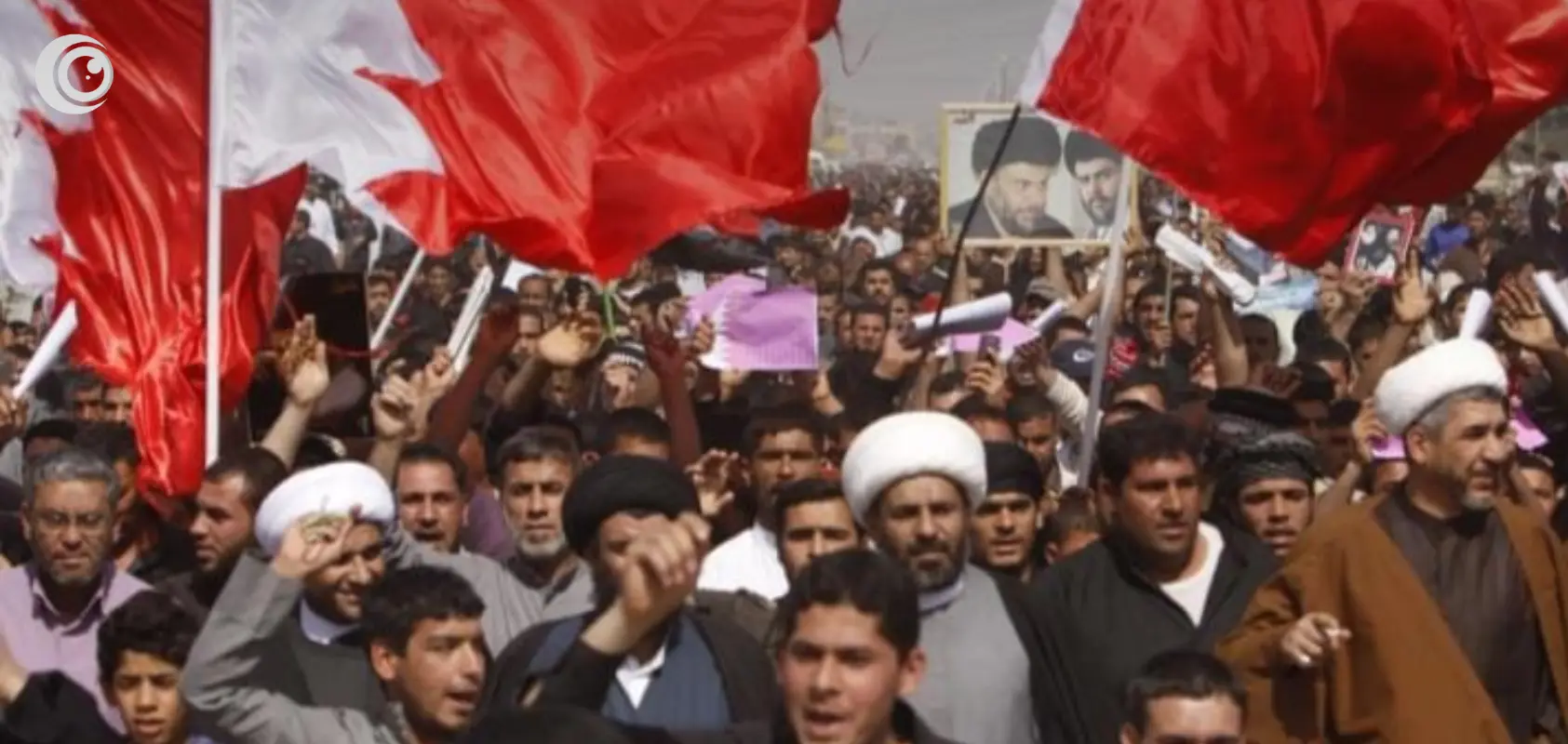


Bahraini authorities have stripped citizenship from dozens of individuals accused of expressing support for Iranian attacks targeting U.S. military bases in Bahrain, marking a significant escalation in the kingdom’s internal security measures during a period of heightened regional tensions. Notably, the strikes attributed to Iran were directed at U.S. assets rather than Bahrain itself, yet the response has extended into domestic crackdowns. The move comes alongside reports that a Shia detainee died in custody in March, allegedly as a result of torture, raising serious concerns about human rights practices in the country.
The crackdown unfolds against the backdrop of long-standing tensions between Bahrain and Iran, which have been exacerbated by broader geopolitical rivalries in the Gulf. Bahrain, a Sunni-ruled state with a majority Shia population, has historically accused Iran of interfering in its internal affairs, a claim Tehran denies. These tensions have often translated into domestic security policies targeting dissent, particularly among Shia communities.
In recent developments, Bahraini authorities have intensified actions against individuals suspected of pro-Iran sentiment, including revoking citizenship, detaining activists, and increasing surveillance. The reported death of a Shia man in custody in March has drawn attention to alleged abuses within detention facilities, with rights groups claiming it reflects a broader pattern of mistreatment of political prisoners.
Strategically, the situation highlights the fragile security dynamics in the Gulf region, where rivalries between Iran and its neighbors continue to influence domestic policies. Bahrain’s actions may be seen as an attempt to reinforce internal stability and signal alignment with regional allies opposed to Iran, but they also risk deepening sectarian divisions and attracting international scrutiny.
From a humanitarian perspective, the revocation of citizenship raises concerns about statelessness, legal rights, and due process. Allegations of torture and custodial deaths further intensify fears about the treatment of detainees and the erosion of civil liberties, particularly for minority groups and political dissidents.
Reactions have emerged from international human rights organizations, which have condemned the measures and called for independent investigations into the reported death in custody. Some regional actors have remained largely silent, while others emphasize the importance of national security, reflecting the complex political sensitivities surrounding the issue.
The situation remains fluid, with Bahrain likely to continue its security-focused approach amid ongoing regional tensions. However, increasing international attention and pressure could influence how these policies evolve, particularly regarding human rights accountability and the protection of vulnerable populations.