
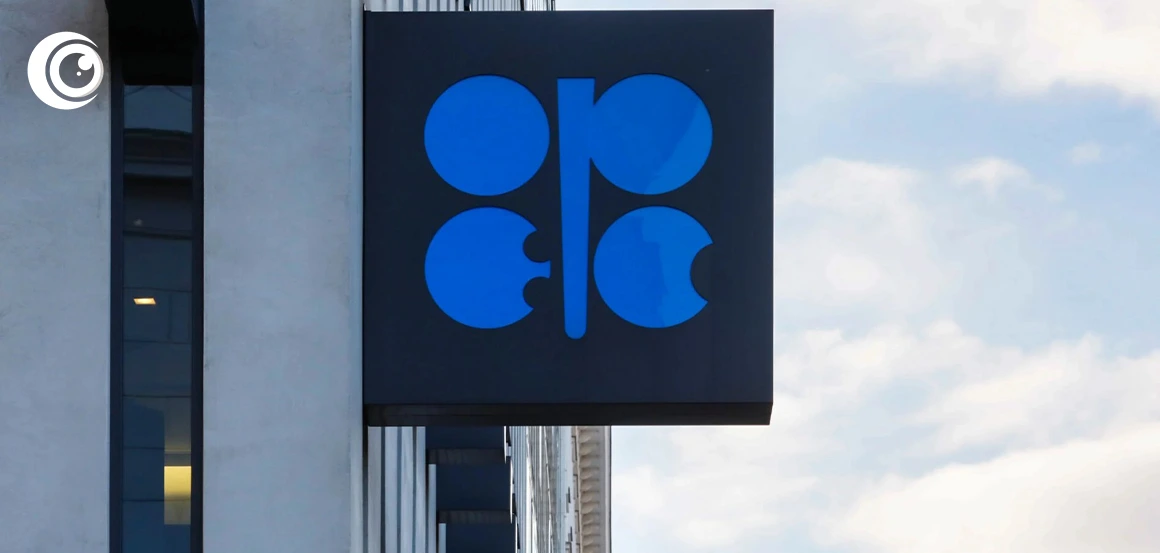


The United Arab Emirates has announced its decision to quit OPEC and OPEC+ to focus on national interests, dealing a heavy blow to the oil-exporting groups at a time when the US-Israeli war on Iran has caused a historic energy shock and rattled the global economy. The move will take effect on May 1, 2026. This shock announcement comes after the UAE was the target of missile and drone attacks for weeks by fellow OPEC member Iran. Tehran’s attacks on shipping in the Strait of Hormuz have also severely constrained the UAE’s ability to export oil, threatening the very foundation of its economy. At least 130 ships passed through the strait per day before hostilities began in February, but as of Tuesday only six ships were attempting to cross, highlighting the catastrophic disruption to global energy supply caused by the US-Israeli war on Iran.
UAE Energy Minister Suhail Mohamed Al-Mazrouei said the decision was taken after a careful look at the regional power’s energy strategies, adding that the UAE did not raise the issue with any other country before making the move. The minister told CNBC that the UAE made the decision to leave OPEC at a time when it would be the least disruptive to other producers in the group, saying the exit would have minimum impact on prices and on friends at OPEC and OPEC+.
The UAE’s assertive foreign policy approach has progressively isolated it from fellow OPEC members, particularly Saudi Arabia. Abu Dhabi has been carving out its own sphere of influence across the Middle East and Africa and has doubled down on relations with the United States and Israel, with which it opened ties under the 2020 Abraham Accords, viewing those relations as a critical lever for regional influence and a unique channel to Washington.
US crude oil surpassed 100 dollars per barrel for the first time since April 10 after Iran peace talks stumbled and the UAE announced its OPEC exit. Energy analyst Jorge Leon of Rystad Energy warned that while near-term effects may be muted given ongoing disruptions in the Strait of Hormuz, the longer-term implications are a structurally weaker OPEC.
Saudi Arabia’s Energy Ministry reaffirmed its commitment to global market stability and said OPEC+ coordination would continue to balance supply and demand despite the UAE’s departure. However, with the Strait of Hormuz effectively closed, global energy markets remain in a state of deep uncertainty, and the fracturing of OPEC at this critical moment is yet another consequence of the devastating US-Israeli war on Iran that continues to reshape the entire region and the world economy along with it.