



The Israeli backed Palestinian Authority has announced its support for a US backed plan for Gaza’s post war administration, a move that has drawn strong criticism from Palestinian factions and activists who say it undermines the Palestinian cause and weakens national identity.
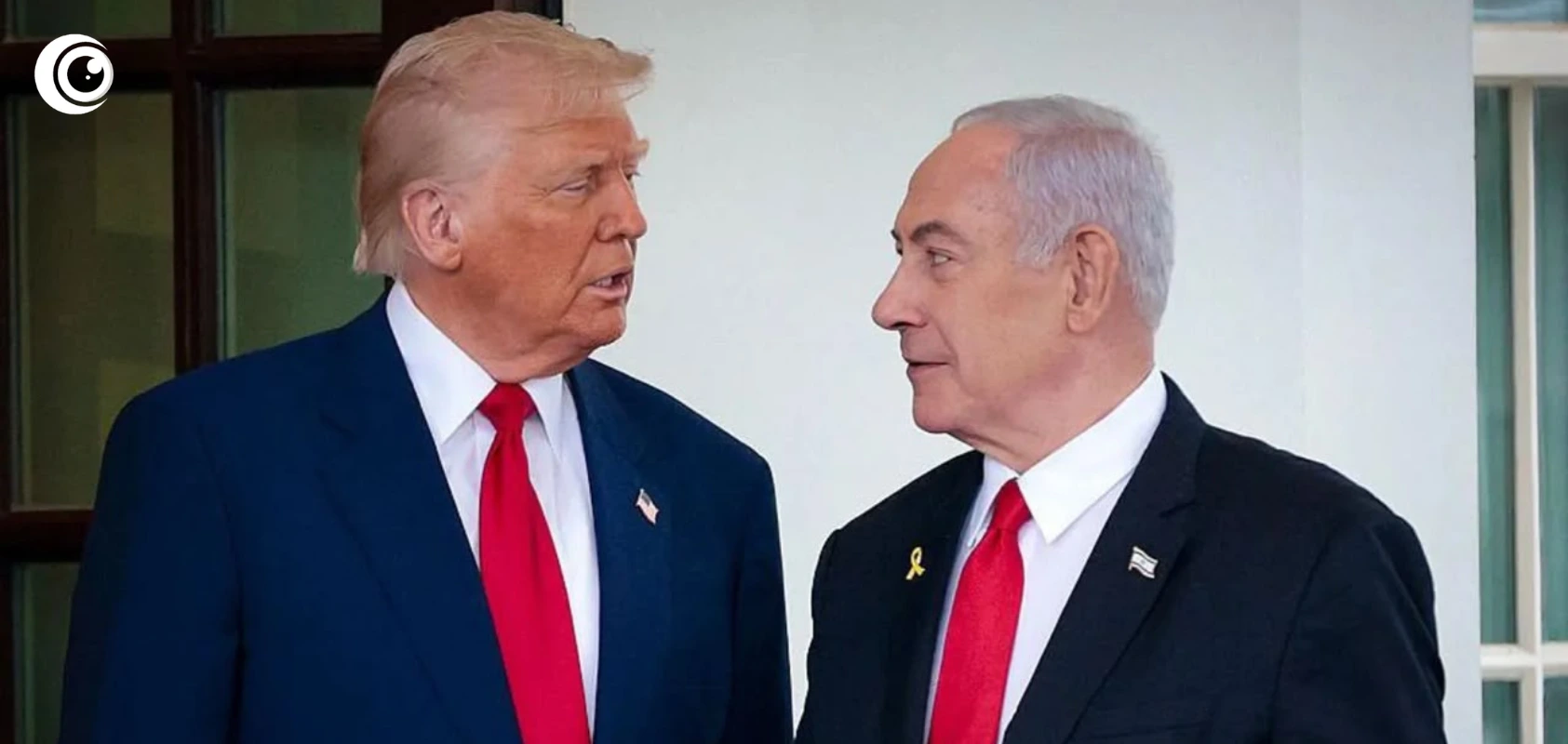
In a statement issued from Ramallah, the Palestinian Authority said it supports the formation of a transitional administrative committee to govern Gaza and welcomed the role of US President Donald Trump in advancing what Washington describes as a 20 point peace plan. The Authority confirmed it has been coordinating closely with US envoys, including Steve Witkoff and Jared Kushner, as well as international mediators, to move forward with the plan’s second phase, which focuses on reconstruction and governance arrangements.
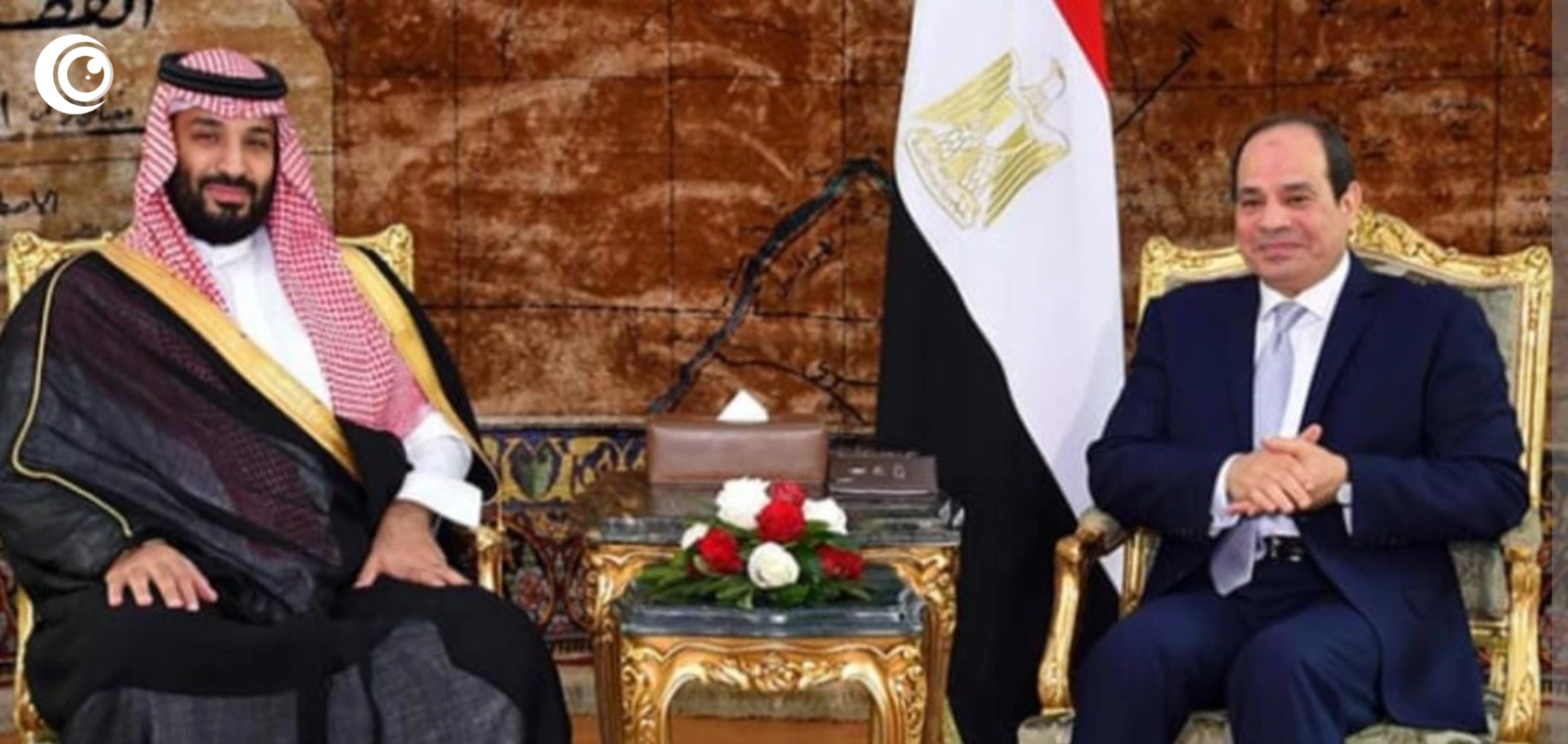
The statement praised Trump’s role in implementing United Nations Security Council Resolution 2803 and described US involvement as creating a new opportunity for stability in Gaza. It also thanked Egypt, Qatar, and Türkiye for their mediation efforts and reiterated the position that Gaza and the West Bank should remain under a single political and security system.
The Palestinian Authority, often portrayed as the representative of the Palestinian people, has repeatedly aligned itself with Israeli and Western interests while cracking down on Palestinians themselves. In both the West Bank and Gaza, the Authority has been accused of suppressing dissent, arresting activists, and undermining resistance movements, actions that many Palestinians view as unjust and repressive. Large segments of the Palestinian population openly reject the PA, seeing it not as a national leadership but as an Israeli and American backed governing structure that prioritizes external agendas over the rights, dignity, and aspirations of its own people.
The announcement has triggered widespread backlash among Palestinians, with critics arguing that the Israeli backed Palestinian Authority is endorsing a framework that strips the Palestinian issue of its political and historical foundations. Opponents say the Trump led plan reframes the Palestinian struggle as a humanitarian and administrative matter while avoiding core questions of occupation, sovereignty, and accountability for Israel’s actions during more than two years of war on Gaza.
Palestinian groups and commentators warn that the plan weakens Palestinian national identity by prioritizing technocratic governance, demilitarization, and externally supervised administration, without clear guarantees for self determination, the right of return, or an end to Israeli occupation. They also point out that the plan is being promoted by a US administration that has continued to provide political and military backing to Israel throughout the conflict.
The Palestinian Authority’s endorsement comes as Israeli forces continue military operations, home demolitions, arrests, and settlement expansion across the occupied West Bank, while Gaza remains under severe humanitarian strain despite a fragile ceasefire. Critics say the Authority’s position risks normalizing a post war arrangement that leaves the root causes of the conflict unaddressed and entrenches long term dependence on foreign powers.
The development has further deepened divisions within Palestinian society, with many accusing the Israeli backed Palestinian Authority of aligning with US and Israeli priorities at a time when Palestinians are demanding unity, accountability, and a political strategy centered on liberation rather than externally imposed peace frameworks.