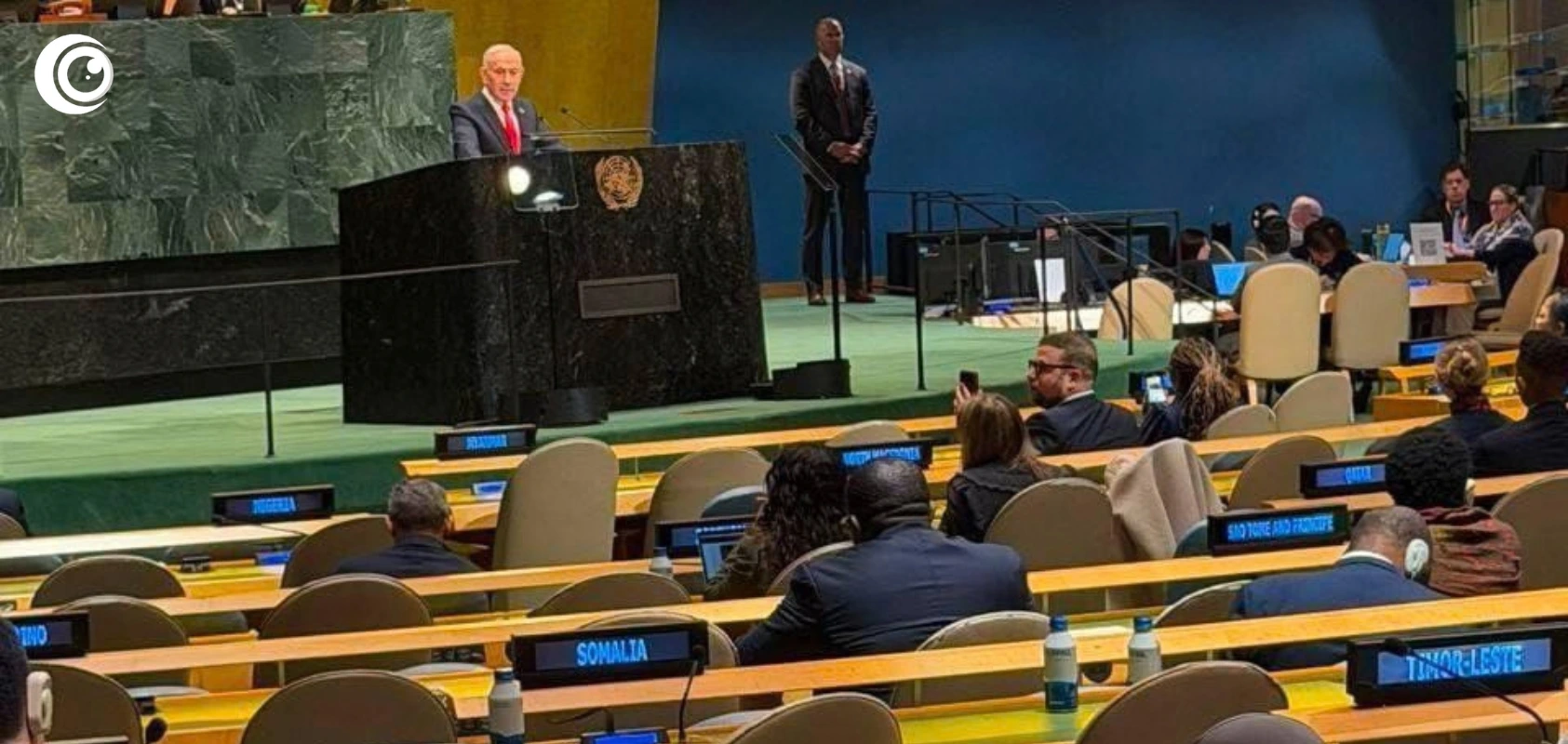
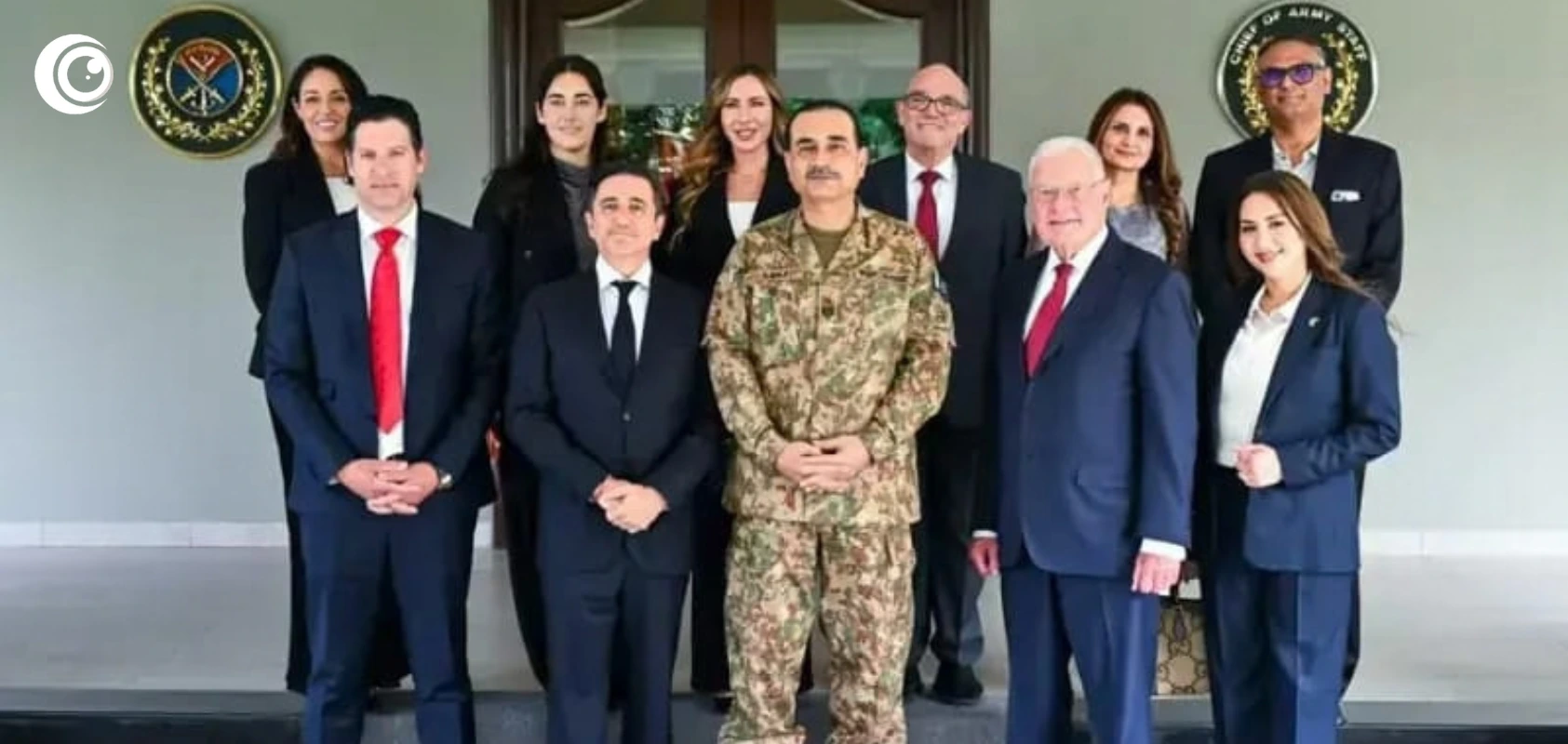
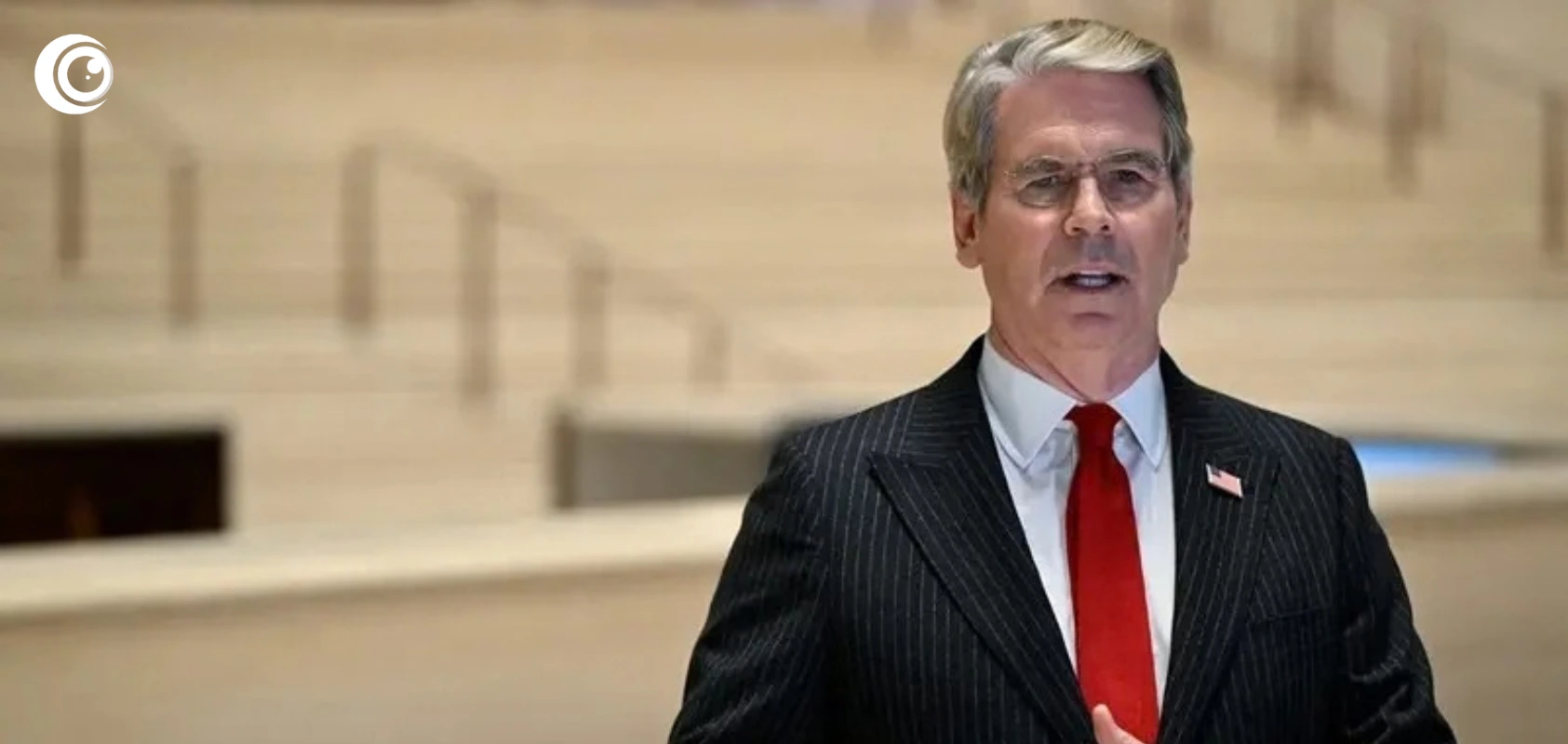
Reports circulating across regional media allege that Saudi Arabia intercepted a Yemeni missile over Madinah that was headed towards Tel Aviv. While Riyadh has not confirmed the incident, Houthi officials claim Saudi air defenses are now actively blocking their operations against Israel even as the kingdom remained silent when Israeli jets crossed regional airspace to bomb Gaza, Iran, and Qatar.
The allegation has reignited debate over Saudi Arabia’s role in the region. Critics argue that by intercepting missiles aimed at Israel while ignoring Israeli violations of Muslim lands, Riyadh undermines its own claim to leadership of the Ummah. Such actions also appear to contradict Islamic principles that command siding with the oppressed and resisting aggression.
Strategically, this aligns Saudi interests closer to the U.S. and Israel, raising questions of complicity. It adds to a growing list of Arab governments that normalize or shield Tel Aviv despite its widely documented war crimes from the mass killing of civilians in Gaza to strikes in sovereign states.
From an Islamic and humanitarian standpoint, the moral failure is stark: allowing or enabling a regime accused of genocide against Muslims while preventing others from resisting it. International law, too, prohibits collective punishment and targeting of civilians, yet Israel continues with impunity, protected by Western powers like the U.S. and U.K.
Reactions across the region remain sharp. Qatar, Iran, and Turkey condemned Israel’s recent strikes, while Western governments offered muted criticism but maintained military and diplomatic support. Meanwhile, Arab rulers’ silence only deepens the sense of betrayal felt by millions who see their leaders prioritizing alliances over the suffering of Palestinians.
If confirmed, Saudi Arabia’s action represents more than a military maneuver. It symbolizes a dangerous shift where defending Israel takes precedence over defending Muslim lands. The world watches as Gaza burns, and history records not only the crimes of Israel but also the complicity of those who chose to stand with the oppressor.